In This Article
- Introduction
- Analyze the Available Space
- Choose Functional Furniture
- Use Vertical Space
- Protect Circulation
- Create Zones Without Walls
- Use Natural and Artificial Light
- Keep Materials Cohesive
- Organize by Frequency of Use
- Use Corners Intentionally
- Improve the Bedroom Layout
- Improve a Small Living Room
- Make a Small Kitchen Work Better
- Create a Useful Entryway
- Reduce Visual Clutter
- Review the Home Regularly
- Frequently Asked Questions
- Conclusion
- Plan Changes in Stages
- Plan Changes in Stages
- Plan Changes in Stages
- Plan Changes in Stages
- Plan Changes in Stages
- Plan Changes in Stages
Making a small home work well does not mean filling it with furniture or sacrificing comfort. The key is understanding how each area is used, preserving circulation, and choosing solutions that provide useful functions without creating clutter.
Introduction
Making a small home work well does not mean filling it with furniture or sacrificing comfort. The key is understanding how each area is used, preserving circulation, and choosing solutions that provide useful functions without creating clutter. Careful measurement, clear priorities, and simple maintenance are the foundation of a result that remains useful over time.
Analyze the Available Space
Observe how every room is actually used. Mark doors, windows, fixed installations, electrical points, and natural walking routes. A simple measured sketch can reveal why a room feels crowded and which functions deserve priority.
Before making changes in this area, observe how it affects everyday use, cleaning, access, light, and circulation. Measure first and avoid adding objects simply because there appears to be unused space. A solution is successful when it makes the home easier to live in and can be maintained without unnecessary effort.
Choose Functional Furniture
Furniture should justify the floor area it occupies. Consider pieces with useful secondary functions such as storage benches, extendable tables, or appropriate under-bed storage. Scale matters as much as function; oversized pieces can make circulation difficult.
Before making changes in this area, observe how it affects everyday use, cleaning, access, light, and circulation. Measure first and avoid adding objects simply because there appears to be unused space. A solution is successful when it makes the home easier to live in and can be maintained without unnecessary effort.
Use Vertical Space
Shelves, tall cabinets, hooks, and wall-mounted solutions can add storage without consuming as much floor area. Keep frequently used items within comfortable reach and secure wall-mounted furniture appropriately for the wall type.
Before making changes in this area, observe how it affects everyday use, cleaning, access, light, and circulation. Measure first and avoid adding objects simply because there appears to be unused space. A solution is successful when it makes the home easier to live in and can be maintained without unnecessary effort.
Protect Circulation
Maintain clear routes between doors, beds, seating, work areas, and storage. Remember to test drawers and cabinet doors when open. If people must constantly turn sideways or move furniture to pass, adjust the layout.
Before making changes in this area, observe how it affects everyday use, cleaning, access, light, and circulation. Measure first and avoid adding objects simply because there appears to be unused space. A solution is successful when it makes the home easier to live in and can be maintained without unnecessary effort.
Create Zones Without Walls
Rugs, lighting, furniture placement, and compact work surfaces can define activities without solid partitions. Keep colors and materials connected so multiple functions still feel like one coherent home.
Before making changes in this area, observe how it affects everyday use, cleaning, access, light, and circulation. Measure first and avoid adding objects simply because there appears to be unused space. A solution is successful when it makes the home easier to live in and can be maintained without unnecessary effort.
Use Natural and Artificial Light
Avoid unnecessarily blocking windows with tall furniture. Combine general lighting with task lighting where activities such as reading, cooking, or working require it. Mirrors can reflect light, but position them so they do not simply duplicate visual clutter.
Before making changes in this area, observe how it affects everyday use, cleaning, access, light, and circulation. Measure first and avoid adding objects simply because there appears to be unused space. A solution is successful when it makes the home easier to live in and can be maintained without unnecessary effort.
Keep Materials Cohesive
A limited family of colors and finishes can make connected areas feel calmer. Small rooms do not have to be white; the important point is visual continuity. Repeat selected materials and add texture without introducing too many competing elements.
Before making changes in this area, observe how it affects everyday use, cleaning, access, light, and circulation. Measure first and avoid adding objects simply because there appears to be unused space. A solution is successful when it makes the home easier to live in and can be maintained without unnecessary effort.
Organize by Frequency of Use
Keep everyday objects in the easiest storage locations and move seasonal or rarely used items higher or farther away. Leave some spare capacity so storage remains easy to use rather than completely packed.
Before making changes in this area, observe how it affects everyday use, cleaning, access, light, and circulation. Measure first and avoid adding objects simply because there appears to be unused space. A solution is successful when it makes the home easier to live in and can be maintained without unnecessary effort.
Use Corners Intentionally
A corner may support a compact desk, reading chair, plant, or narrow storage unit when dimensions allow. Give it one clear purpose and make sure the new piece does not interfere with doors or common walking routes.
Before making changes in this area, observe how it affects everyday use, cleaning, access, light, and circulation. Measure first and avoid adding objects simply because there appears to be unused space. A solution is successful when it makes the home easier to live in and can be maintained without unnecessary effort.
Improve the Bedroom Layout
Start with the bed because it usually occupies the most space. Preserve necessary access and make sure wardrobes and drawers open comfortably. Compact bedside solutions can provide essentials without oversized furniture.
Before making changes in this area, observe how it affects everyday use, cleaning, access, light, and circulation. Measure first and avoid adding objects simply because there appears to be unused space. A solution is successful when it makes the home easier to live in and can be maintained without unnecessary effort.
Improve a Small Living Room
Choose seating for regular household use rather than rare maximum occupancy. Flexible extra seating and smaller movable tables can preserve circulation. Organize media, books, and accessories into coherent zones instead of several bulky pieces.
Before making changes in this area, observe how it affects everyday use, cleaning, access, light, and circulation. Measure first and avoid adding objects simply because there appears to be unused space. A solution is successful when it makes the home easier to live in and can be maintained without unnecessary effort.
Make a Small Kitchen Work Better
Protect clear work surfaces and keep frequently used tools near their activity zones. Store occasional appliances when practical. Organize cabinet interiors for visibility and access rather than simply packing in the maximum number of objects.
Before making changes in this area, observe how it affects everyday use, cleaning, access, light, and circulation. Measure first and avoid adding objects simply because there appears to be unused space. A solution is successful when it makes the home easier to live in and can be maintained without unnecessary effort.
Create a Useful Entryway
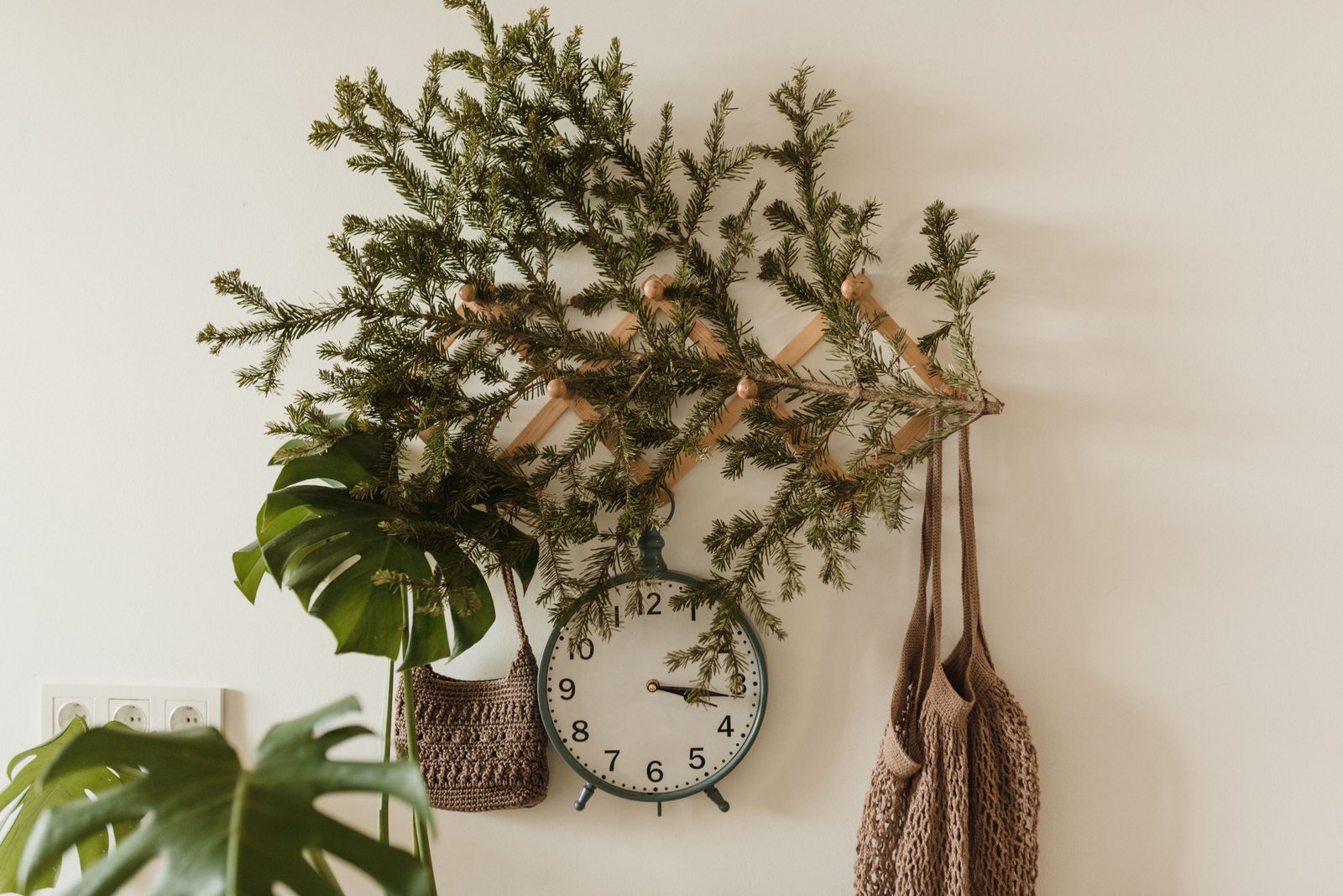
Give keys, bags, shoes, and outerwear defined places. In a narrow entrance, wall-mounted hooks or a slim shelf may be more practical than a large console table that reduces circulation.
Before making changes in this area, observe how it affects everyday use, cleaning, access, light, and circulation. Measure first and avoid adding objects simply because there appears to be unused space. A solution is successful when it makes the home easier to live in and can be maintained without unnecessary effort.
Reduce Visual Clutter
Group similar items, use closed storage for visually irregular necessities, and leave some surfaces intentionally clear. Fewer meaningful decorative pieces often create more personality than many small unrelated accessories.
Before making changes in this area, observe how it affects everyday use, cleaning, access, light, and circulation. Measure first and avoid adding objects simply because there appears to be unused space. A solution is successful when it makes the home easier to live in and can be maintained without unnecessary effort.
Review the Home Regularly
Needs change over time. Periodically reconsider furniture and storage that no longer serve daily life. Before buying something new, decide where it will live and what function it adds or replaces.
Before making changes in this area, observe how it affects everyday use, cleaning, access, light, and circulation. Measure first and avoid adding objects simply because there appears to be unused space. A solution is successful when it makes the home easier to live in and can be maintained without unnecessary effort.
Frequently Asked Questions
Should every available area be used?
No. Empty space has practical value because it improves access, cleaning, light, and visual order. Use an area only when the new function genuinely improves daily life.
Do I need expensive custom solutions?
Not necessarily. Accurate measurements and well-chosen standard products can solve many problems. Custom work is most useful when unusual dimensions create a genuine limitation.
How can I avoid clutter?
Give every item a purpose and a defined place. Keep frequently used objects accessible, store occasional items appropriately, and periodically remove things that are no longer useful.
What should I do before buying anything?
Measure the available width, depth, height, openings, and circulation space. Then decide what function is missing. Shopping after this analysis reduces unsuitable purchases.
How do I keep the result easy to maintain?
Choose durable and accessible solutions, avoid overcrowding, and keep a simple cleaning and organization routine.
Conclusion
A well-planned home does not depend on filling every surface. The best improvements respond to real dimensions, daily habits, and maintenance needs. Measure carefully, protect circulation and light, choose useful elements, and leave enough open space for the room to remain comfortable.
Plan Changes in Stages
Test the layout with what you already own before spending money. Move a piece of furniture, remove an unnecessary object, or mark proposed dimensions on the floor. Living with a temporary arrangement for several days can reveal practical issues that are difficult to notice in a photograph.
Make functional changes first and decorate afterward. When access, storage, light, and circulation work well, decorative decisions become easier because you know which surfaces can remain free and which areas can support additional elements.
Plan Changes in Stages
Test the layout with what you already own before spending money. Move a piece of furniture, remove an unnecessary object, or mark proposed dimensions on the floor. Living with a temporary arrangement for several days can reveal practical issues that are difficult to notice in a photograph.
Make functional changes first and decorate afterward. When access, storage, light, and circulation work well, decorative decisions become easier because you know which surfaces can remain free and which areas can support additional elements.
Plan Changes in Stages
Test the layout with what you already own before spending money. Move a piece of furniture, remove an unnecessary object, or mark proposed dimensions on the floor. Living with a temporary arrangement for several days can reveal practical issues that are difficult to notice in a photograph.
Make functional changes first and decorate afterward. When access, storage, light, and circulation work well, decorative decisions become easier because you know which surfaces can remain free and which areas can support additional elements.
Plan Changes in Stages
Test the layout with what you already own before spending money. Move a piece of furniture, remove an unnecessary object, or mark proposed dimensions on the floor. Living with a temporary arrangement for several days can reveal practical issues that are difficult to notice in a photograph.
Make functional changes first and decorate afterward. When access, storage, light, and circulation work well, decorative decisions become easier because you know which surfaces can remain free and which areas can support additional elements.
Plan Changes in Stages
Test the layout with what you already own before spending money. Move a piece of furniture, remove an unnecessary object, or mark proposed dimensions on the floor. Living with a temporary arrangement for several days can reveal practical issues that are difficult to notice in a photograph.
Make functional changes first and decorate afterward. When access, storage, light, and circulation work well, decorative decisions become easier because you know which surfaces can remain free and which areas can support additional elements.
Plan Changes in Stages
Test the layout with what you already own before spending money. Move a piece of furniture, remove an unnecessary object, or mark proposed dimensions on the floor. Living with a temporary arrangement for several days can reveal practical issues that are difficult to notice in a photograph.
Make functional changes first and decorate afterward. When access, storage, light, and circulation work well, decorative decisions become easier because you know which surfaces can remain free and which areas can support additional elements.
\n