In This Article
- Introduction
- Choose the Right Location
- Prioritize Comfortable Seating
- Add Support for Your Feet
- Use Natural Light When Available
- Provide Good Artificial Lighting
- Include a Small Surface
- Keep Books Within Reach
- Add Soft Textiles
- Define the Corner Visually
- Control Noise Where Possible
- Keep the Area Uncluttered
- Add a Personal Element
- Use Vertical Space
- Create a Reading Corner for Children
- Adapt the Corner to Small Homes
- Think About Temperature and Ventilation
- Create a Simple Routine
- Frequently Asked Questions
- Conclusion
- Test the Reading Corner Before Buying More
- Test the Reading Corner Before Buying More
- Test the Reading Corner Before Buying More
- Test the Reading Corner Before Buying More
- Test the Reading Corner Before Buying More
- Test the Reading Corner Before Buying More
- Test the Reading Corner Before Buying More
- Test the Reading Corner Before Buying More
- Test the Reading Corner Before Buying More
A comfortable reading corner can be created in surprisingly little space. The essentials are a supportive place to sit, suitable light, a small surface for useful items, and a calm atmosphere that makes reading easy to enjoy.
Introduction
A comfortable reading corner can be created in surprisingly little space. The essentials are a supportive place to sit, suitable light, a small surface for useful items, and a calm atmosphere that makes reading easy to enjoy. The most successful results usually come from observing how the home is already used, identifying a few practical priorities, and making changes that improve comfort without adding unnecessary complexity.
Choose the Right Location
A reading corner does not need an entire room. A quiet part of the living room, bedroom, hallway, or home office can work if it offers enough space for comfortable seating and reasonable lighting.
Observe noise, foot traffic, television placement, and nearby doors before deciding. A beautiful chair placed in the busiest route through the home rarely becomes a relaxing reading spot.
Choose a location where you can sit without constantly moving furniture or blocking circulation.
Prioritize Comfortable Seating
The chair is the most important element because comfort determines whether the corner will actually be used. Choose seating that supports the way you prefer to read, whether upright, slightly reclined, or with your feet supported.
Test the chair before buying when possible. Seat depth, back height, arm position, and firmness all influence comfort, and a chair that looks attractive may not suit your body.
In a very small space, a compact armchair can work better than a large lounge chair.
Add Support for Your Feet
Some readers are more comfortable with a footstool or ottoman. Choose one that can be moved easily and does not permanently block the path through the room.
An ottoman with storage can provide a second function, but only if the storage is easy to access and the piece remains comfortable.
If the space is too small, a chair with built-in leg support may be more practical.
Use Natural Light When Available
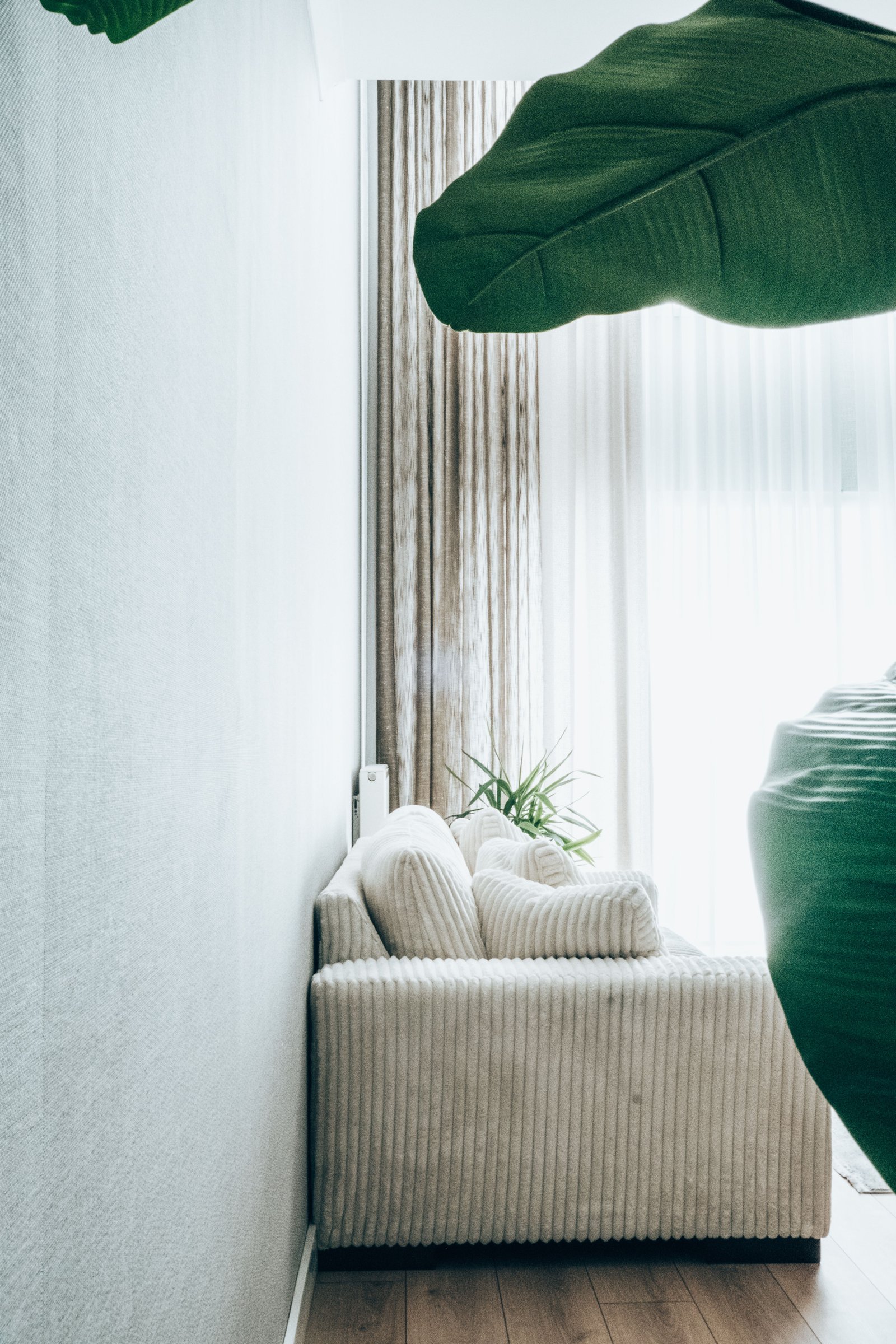
A position near a window can provide pleasant daytime reading light, but avoid placing the chair where direct sun creates glare on the page or excessive heat.
Observe how the light changes throughout the day. A corner that is comfortable in the morning may become too bright in the afternoon.
Adjustable curtains or blinds provide flexibility while maintaining privacy.
Provide Good Artificial Lighting
A reading corner needs dedicated lighting for evenings and cloudy days. A floor lamp, table lamp, or wall-mounted light can work depending on the layout.
Position the light so it illuminates the page without shining directly into your eyes. Adjustable lamps are especially useful because they can adapt to different seating positions.
Use bulbs and fixtures suitable for the lamp and follow electrical safety guidance.
Include a Small Surface
A compact side table or wall shelf can hold a book, glasses, water, or a small lamp. The surface does not need to be large; it only needs to support the items you regularly use.
Choose a height that is easy to reach from the chair. An oversized table can make a small reading corner feel crowded.
In very narrow spaces, a wall-mounted shelf can preserve floor area.
Keep Books Within Reach
A small shelf, bookcase, basket, or nearby cabinet can hold current reading material. Avoid turning the corner into storage for every book in the home unless the space is designed for that purpose.
Keeping only a few current books nearby makes the area easier to maintain and visually calmer.
If using wall shelves, install them safely and keep heavy books on appropriate supports.
Add Soft Textiles
A cushion or throw can make the corner feel warmer and more comfortable. Choose textiles that are easy to clean and suitable for the household.
Use only what improves comfort. Too many cushions can reduce usable seat depth and make the chair less practical.
Repeating a color from the surrounding room helps the reading area feel integrated rather than separate.
Define the Corner Visually
A small rug, different wall color, artwork, or lamp can visually identify the reading area without building a partition.
The goal is to create a sense of purpose while keeping the corner connected to the rest of the room.
Choose one or two defining elements rather than adding many decorative pieces.
Control Noise Where Possible
A reading corner is easier to enjoy when it is away from constant household noise. Position it away from televisions, kitchen activity, or frequently used doors when possible.
Soft furnishings can reduce some harsh reflections of sound, but they will not fully soundproof a room.
Headphones may be useful in shared homes, but the physical layout should still aim for a calmer location.
Keep the Area Uncluttered
Reading corners can quickly become places where bags, clothing, mail, and other items accumulate. Give unrelated objects a different home.
Keep the floor and nearby surfaces clear so the area remains inviting.
A simple reset after each use can preserve the sense of calm.
Add a Personal Element
One meaningful object can give the corner character. A photograph, artwork, small plant, or decorative piece may make the area feel more personal.
Choose objects that do not compete with the main function. The corner should support reading first and decoration second.
A small plant can work if the light and temperature suit the species.
Use Vertical Space
If floor area is limited, wall-mounted shelves, artwork, or a compact wall lamp can add function without taking more space.
Keep frequently used books within comfortable reach and avoid placing heavy objects directly above the chair unless securely installed.
Vertical design can make a small reading corner feel complete without adding bulky furniture.
Create a Reading Corner for Children
A children's reading area should prioritize safety, accessibility, and comfort. Low shelves, washable cushions, and soft seating can make books easy to reach.
Secure furniture appropriately and avoid unstable lamps, sharp corners, heavy objects overhead, or cords that create hazards.
Rotate books occasionally to keep the selection manageable and interesting.
Adapt the Corner to Small Homes
In a compact home, the reading corner may need to share space with another function. A bedroom chair, window seat, or living-room corner can work without becoming a permanent separate zone.
Choose furniture that fits the room's proportions and does not interfere with other daily activities.
A foldable side table or movable lamp can add flexibility.
Think About Temperature and Ventilation
A comfortable reading spot should not be directly in a strong draft, against a very cold window, or in an area that becomes excessively hot.
Observe the location at different times and seasons before finalizing the arrangement.
Good ventilation matters, but comfort should not depend on blocking necessary airflow.
Create a Simple Routine
A reading corner becomes useful when it is easy to use. Keep a current book, bookmark, glasses, and light nearby so you do not need to prepare the space each time.
Reset the chair, fold the throw, and return books after use. This small habit keeps the area ready and inviting.
Regular use is what turns the corner into a meaningful part of the home.
Frequently Asked Questions
How much space do I need for a reading corner?
Very little. Enough room for comfortable seating, a light source, and clear circulation can be sufficient. The exact amount depends on the chair and room layout.
Is natural light necessary?
No. Natural light is pleasant during the day, but a good artificial reading light can make a corner work well anywhere.
What type of chair is best?
The best chair is one that supports your preferred reading posture and fits the available space. Comfort is more important than a particular style.
Do I need a bookshelf nearby?
No. A small basket, wall shelf, or side table can hold current books if a full bookcase would overcrowd the area.
How can I make a reading corner feel cozy?
Use comfortable seating, warm lighting, one or two soft textiles, and a few personal details while keeping clutter low.
Conclusion
A successful reading corner is simple, comfortable, and easy to use. Choose a quiet location, prioritize supportive seating and good lighting, keep books and essentials within reach, and avoid unnecessary clutter. Personal details can add warmth, but the main purpose should remain clear. Even in a small home, a well-planned corner can create a dedicated place to slow down and read.
Test the Reading Corner Before Buying More
Before purchasing shelves, lamps, or accessories, place an existing chair in the proposed location and use it for several reading sessions. Notice light, noise, temperature, reach, and circulation. A short trial can reveal whether the location is genuinely comfortable.
Once the basic setup works, add only the items that solve a real need. This keeps the corner calm and prevents decorative purchases from overwhelming the limited space.
Test the Reading Corner Before Buying More
Before purchasing shelves, lamps, or accessories, place an existing chair in the proposed location and use it for several reading sessions. Notice light, noise, temperature, reach, and circulation. A short trial can reveal whether the location is genuinely comfortable.
Once the basic setup works, add only the items that solve a real need. This keeps the corner calm and prevents decorative purchases from overwhelming the limited space.
Test the Reading Corner Before Buying More
Before purchasing shelves, lamps, or accessories, place an existing chair in the proposed location and use it for several reading sessions. Notice light, noise, temperature, reach, and circulation. A short trial can reveal whether the location is genuinely comfortable.
Once the basic setup works, add only the items that solve a real need. This keeps the corner calm and prevents decorative purchases from overwhelming the limited space.
Test the Reading Corner Before Buying More
Before purchasing shelves, lamps, or accessories, place an existing chair in the proposed location and use it for several reading sessions. Notice light, noise, temperature, reach, and circulation. A short trial can reveal whether the location is genuinely comfortable.
Once the basic setup works, add only the items that solve a real need. This keeps the corner calm and prevents decorative purchases from overwhelming the limited space.
Test the Reading Corner Before Buying More
Before purchasing shelves, lamps, or accessories, place an existing chair in the proposed location and use it for several reading sessions. Notice light, noise, temperature, reach, and circulation. A short trial can reveal whether the location is genuinely comfortable.
Once the basic setup works, add only the items that solve a real need. This keeps the corner calm and prevents decorative purchases from overwhelming the limited space.
Test the Reading Corner Before Buying More
Before purchasing shelves, lamps, or accessories, place an existing chair in the proposed location and use it for several reading sessions. Notice light, noise, temperature, reach, and circulation. A short trial can reveal whether the location is genuinely comfortable.
Once the basic setup works, add only the items that solve a real need. This keeps the corner calm and prevents decorative purchases from overwhelming the limited space.
Test the Reading Corner Before Buying More
Before purchasing shelves, lamps, or accessories, place an existing chair in the proposed location and use it for several reading sessions. Notice light, noise, temperature, reach, and circulation. A short trial can reveal whether the location is genuinely comfortable.
Once the basic setup works, add only the items that solve a real need. This keeps the corner calm and prevents decorative purchases from overwhelming the limited space.
Test the Reading Corner Before Buying More
Before purchasing shelves, lamps, or accessories, place an existing chair in the proposed location and use it for several reading sessions. Notice light, noise, temperature, reach, and circulation. A short trial can reveal whether the location is genuinely comfortable.
Once the basic setup works, add only the items that solve a real need. This keeps the corner calm and prevents decorative purchases from overwhelming the limited space.
Test the Reading Corner Before Buying More
Before purchasing shelves, lamps, or accessories, place an existing chair in the proposed location and use it for several reading sessions. Notice light, noise, temperature, reach, and circulation. A short trial can reveal whether the location is genuinely comfortable.
Once the basic setup works, add only the items that solve a real need. This keeps the corner calm and prevents decorative purchases from overwhelming the limited space.