
In This Article
- Introduction
- Prioritize a Truly Comfortable Bed
- Offer More Than One Pillow Option
- Leave Space for Personal Belongings
- Keep Furniture Proportional
- Provide a Bedside Surface
- Create Layered Lighting
- Think About Nighttime Comfort
- Control Morning Light
- Add Small Welcome Details
- Share Basic House Information
- Protect Privacy
- Manage Temperature and Ventilation
- Make Outlets Easy to Use
- Provide Hangers and a Mirror
- Include a Wastebasket
- Keep Decoration Calm and Functional
- Prepare for Longer Stays
- Make the Room Work Year-Round
- Test the Room as if You Were the Guest
- Create a Pre-Arrival Checklist
- Frequently Asked Questions
- Conclusion
- Keep the Room Easy to Reset
- Keep the Room Easy to Reset
- Keep the Room Easy to Reset
- Keep the Room Easy to Reset
- Keep the Room Easy to Reset
- Keep the Room Easy to Reset
A functional guest bedroom does not need many expensive pieces. It needs to be planned from the visitor's point of view: a comfortable bed, space for belongings, good lighting, privacy, accessible outlets, and a few thoughtful details that make the room easy to use.
Introduction
A functional guest bedroom does not need many expensive pieces. It needs to be planned from the visitor's point of view: a comfortable bed, space for belongings, good lighting, privacy, accessible outlets, and a few thoughtful details that make the room easy to use. The best results come from planning around the real dimensions of the space, choosing practical elements, and checking comfort and maintenance before making permanent changes.
Prioritize a Truly Comfortable Bed
In a guest bedroom, the bed has the greatest influence on the visitor's experience. The room does not need expensive furniture, but the mattress, pillows, bedding, and available space around the bed deserve real attention.
Choose a bed size that suits the room rather than forcing the largest possible mattress into the space. Guests should be able to enter, get out of bed, and reach their belongings without moving furniture.
Clean, comfortable bedding and an extra blanket make it easier to accommodate different preferences and seasonal temperatures.
Offer More Than One Pillow Option
One or two pillow choices can be more useful than many decorative cushions. Different guests prefer different heights and firmness levels.
Keep pillows clean and in good condition and store extra options where they are easy to find.
Decorative pillows are fine in moderation, but avoid requiring the guest to move a pile of accessories before sleeping.
Leave Space for Personal Belongings
A functional guest room should not force a suitcase to remain in the middle of the floor. Reserve at least one clear surface, drawer, shelf, or section of hanging space.
Before guests arrive, confirm that the space is actually empty. Secondary bedrooms often become storage rooms, and hidden clutter can make a guest feel as though they are occupying someone else's storage area.
A luggage rack, bench, or stable low surface can be useful when the room allows it.
Keep Furniture Proportional
A guest room does not need many pieces. A bed, bedside surface, useful storage, and perhaps a small chair or desk can be enough.
Oversized dressers and wardrobes can reduce circulation and make a modest room feel cramped. Choose furniture according to the real length of visits and the room's other functions.
If the room serves another purpose during the year, multifunctional furniture can help it remain useful.
Provide a Bedside Surface
A bedside table, shelf, or other small surface gives guests a place for a phone, glasses, water, medication, or a book.
Keep the surface mostly clear. A decorative arrangement should not occupy all the space the guest needs.
If the room is narrow, a wall-mounted shelf can provide the same function without taking much floor area.
Create Layered Lighting
General lighting helps with movement and unpacking, while a smaller bedside light allows reading or relaxing without lighting the entire room.
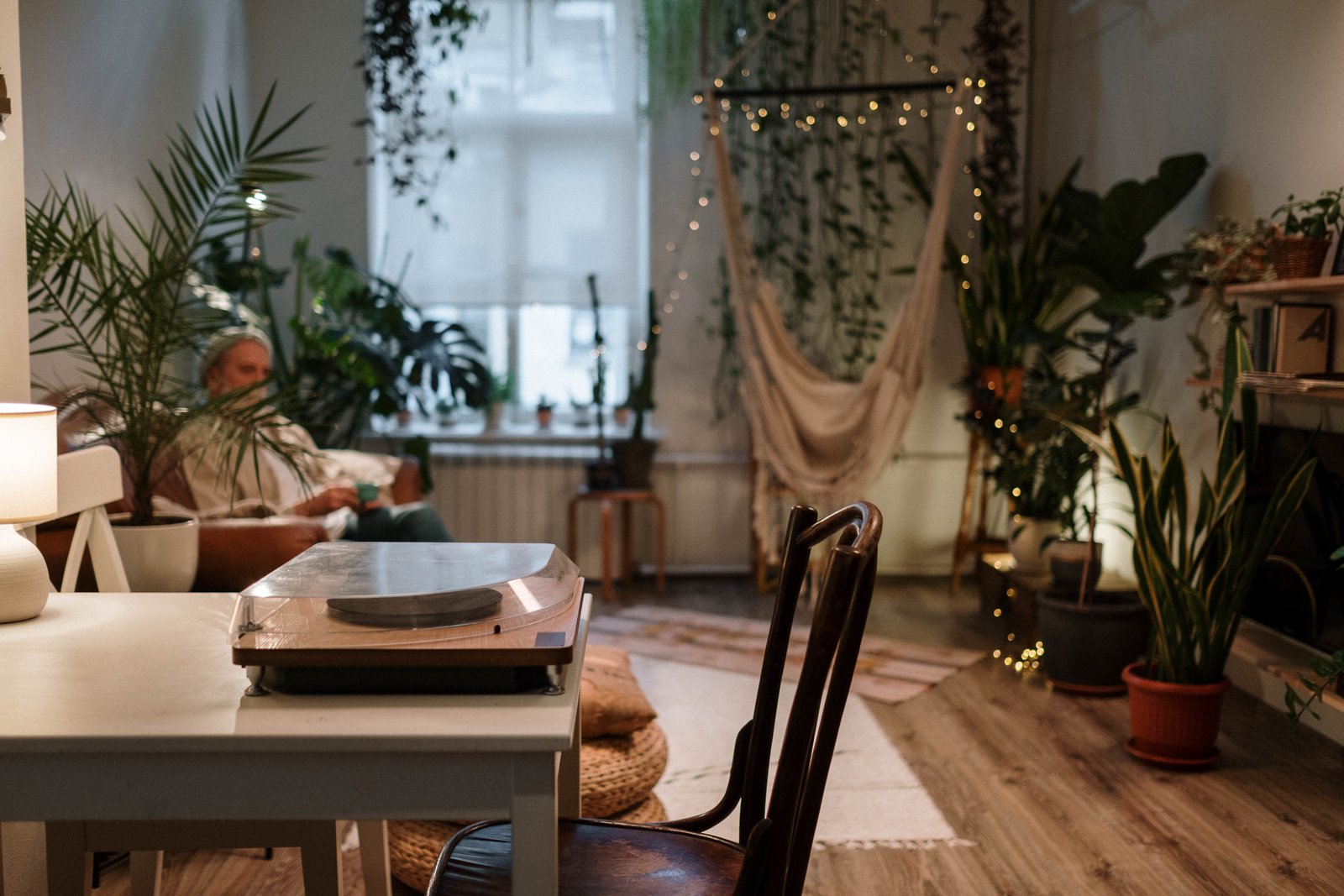
Make switches easy to find. A guest should not need to cross a dark room to turn on a light.
If the room receives useful natural light, make sure curtains or blinds are easy to operate.
Think About Nighttime Comfort
Spend a few minutes in the room after dark. Check whether the route to the door is clear and whether switches, outlets, and bedside surfaces are easy to locate.
A small night light may be useful in unfamiliar spaces, particularly when the route to the bathroom is not obvious.
Avoid overly bright bedside lamps that make the room uncomfortable when someone is preparing to sleep.
Control Morning Light
Some guests sleep later than the household. Suitable curtains or blinds can give them control over early morning light.
Privacy and darkness are separate needs. A sheer curtain may provide privacy but not block strong light, while a blackout layer can help in rooms exposed to early sun.
Choose a solution that is easy for visitors to understand and operate.
Add Small Welcome Details
Simple details can make the room feel prepared: fresh towels, drinking water, an extra blanket, tissues, and a clear place for belongings.
These items are often more useful than expensive decoration because they reduce the number of questions a guest needs to ask.
Keep the welcome area simple and avoid filling every surface.
Share Basic House Information
A short note can include the Wi-Fi password, bathroom location, quiet hours if relevant, and any simple instructions the visitor genuinely needs.
Do not overload the guest with rules. The goal is to make them more independent and comfortable.
If climate controls are unusual, explain how to use them in one or two clear sentences.
Protect Privacy
A guest should be able to close the bedroom door and control visibility through windows.
Check curtains, blinds, door hardware, and any sight lines from shared areas before the visit.
Privacy is particularly important in rooms facing entrances, patios, or common circulation routes.
Manage Temperature and Ventilation
Check that windows open and close correctly, ventilation is adequate, and heating or cooling works where available.
Provide a fan, extra blanket, or simple instructions for climate controls when appropriate.
Room temperature can vary significantly from the rest of the house, so test the space rather than assuming it feels the same.
Make Outlets Easy to Use
Guests often need to charge phones, watches, laptops, or medical devices. Make sure at least one accessible outlet is available near the bed or another convenient surface.
Avoid unsafe extension cords or cables stretched across walking routes.
If outlets are hidden behind heavy furniture, consider rearranging the room rather than asking guests to move furniture.
Provide Hangers and a Mirror
A few empty hangers and a practical mirror are inexpensive details that make longer stays easier.
Place the mirror where it can be used comfortably without blocking movement.
A full wardrobe is not necessary for short visits, but some hanging space helps clothing stay organized.
Include a Wastebasket
A small wastebasket is easy to overlook but very useful. Place it where it is visible and convenient without becoming a trip hazard.
Empty it before the guest arrives and keep liners or disposal routines simple.
This is one of those minor details that makes a room feel properly prepared.
Keep Decoration Calm and Functional
Neutral or coordinated colors, a few textiles, one or two pictures, and a plant where conditions are suitable can make the room welcoming.
Do not cover every surface with ornaments. Guests need open space for their own belongings.
Choose decoration that supports a calm atmosphere rather than making the room feel like a display area.
Prepare for Longer Stays
Visitors staying several days need more storage than someone staying one night. Clear a few drawers, provide hanging space, and make sure luggage can be stored without blocking the room.
Longer stays also make seating, a small work surface, and laundry information more relevant.
Think about the likely duration of visits when deciding how much storage to reserve.
Make the Room Work Year-Round
If the room doubles as an office, hobby space, or storage area, choose furniture that can transition quickly before guests arrive.
A small desk can become a useful surface for a visitor, while under-bed storage can hold household items without filling the visible room.
The key is to avoid requiring hours of rearrangement every time someone stays.
Test the Room as if You Were the Guest
Sit on the bed, turn off the main light, try the curtains, check the outlets, open the drawers, and imagine arriving with a suitcase.
This test often reveals small problems in lighting, storage, privacy, or temperature that are easy to miss from the doorway.
Correcting these details before a visit can make the stay feel much more effortless.
Create a Pre-Arrival Checklist
Before guests arrive, change bedding, dust surfaces, vacuum or sweep, empty the wastebasket, check towels, test lighting, confirm storage is clear, and verify the room temperature.
A short checklist prevents simple tasks from being forgotten when the household is busy.
Keep the checklist with household notes so the room can be prepared consistently each time.
Frequently Asked Questions
What does a guest bedroom need at minimum?
A comfortable bed, clean bedding, sufficient lighting, privacy, clear circulation, and a place for some personal belongings are the essentials.
How do I organize a small guest room?
Prioritize the bed and movement space, use proportional furniture, keep surfaces clear, and reserve a small amount of practical storage.
Should I leave decorative objects in the room?
Yes, but in moderation. A few details can add warmth, while too many objects take away surfaces the guest may need.
What is one detail guests appreciate most?
Accessible outlets, a bedside light, water, towels, and clear Wi-Fi information are small details that often make a stay easier.
How can the room serve another purpose during the year?
Use multifunctional furniture and storage that can be cleared quickly so the room can shift between everyday use and guest use.
Conclusion
A welcoming guest bedroom is defined more by comfort and clarity than by decoration. Prioritize a good bed, useful storage, layered lighting, privacy, temperature control, accessible outlets, and a few simple welcome details. Test the room yourself before visitors arrive and keep a short preparation checklist. When everything a guest needs is easy to find and use, even a small room can feel thoughtful and comfortable.
Keep the Room Easy to Reset
After a visit, wash bedding and towels, return extra items to their storage locations, check for damage or missing items, and leave the room ready for its normal everyday function. A simple reset routine keeps the guest room from becoming disorganized between visits.
If the room is rarely used, air it periodically and check for dust, humidity, or maintenance issues so that preparation does not become a major project the next time someone stays.
Keep the Room Easy to Reset
After a visit, wash bedding and towels, return extra items to their storage locations, check for damage or missing items, and leave the room ready for its normal everyday function. A simple reset routine keeps the guest room from becoming disorganized between visits.
If the room is rarely used, air it periodically and check for dust, humidity, or maintenance issues so that preparation does not become a major project the next time someone stays.
Keep the Room Easy to Reset
After a visit, wash bedding and towels, return extra items to their storage locations, check for damage or missing items, and leave the room ready for its normal everyday function. A simple reset routine keeps the guest room from becoming disorganized between visits.
If the room is rarely used, air it periodically and check for dust, humidity, or maintenance issues so that preparation does not become a major project the next time someone stays.
Keep the Room Easy to Reset
After a visit, wash bedding and towels, return extra items to their storage locations, check for damage or missing items, and leave the room ready for its normal everyday function. A simple reset routine keeps the guest room from becoming disorganized between visits.
If the room is rarely used, air it periodically and check for dust, humidity, or maintenance issues so that preparation does not become a major project the next time someone stays.
Keep the Room Easy to Reset
After a visit, wash bedding and towels, return extra items to their storage locations, check for damage or missing items, and leave the room ready for its normal everyday function. A simple reset routine keeps the guest room from becoming disorganized between visits.
If the room is rarely used, air it periodically and check for dust, humidity, or maintenance issues so that preparation does not become a major project the next time someone stays.
Keep the Room Easy to Reset
After a visit, wash bedding and towels, return extra items to their storage locations, check for damage or missing items, and leave the room ready for its normal everyday function. A simple reset routine keeps the guest room from becoming disorganized between visits.
If the room is rarely used, air it periodically and check for dust, humidity, or maintenance issues so that preparation does not become a major project the next time someone stays.