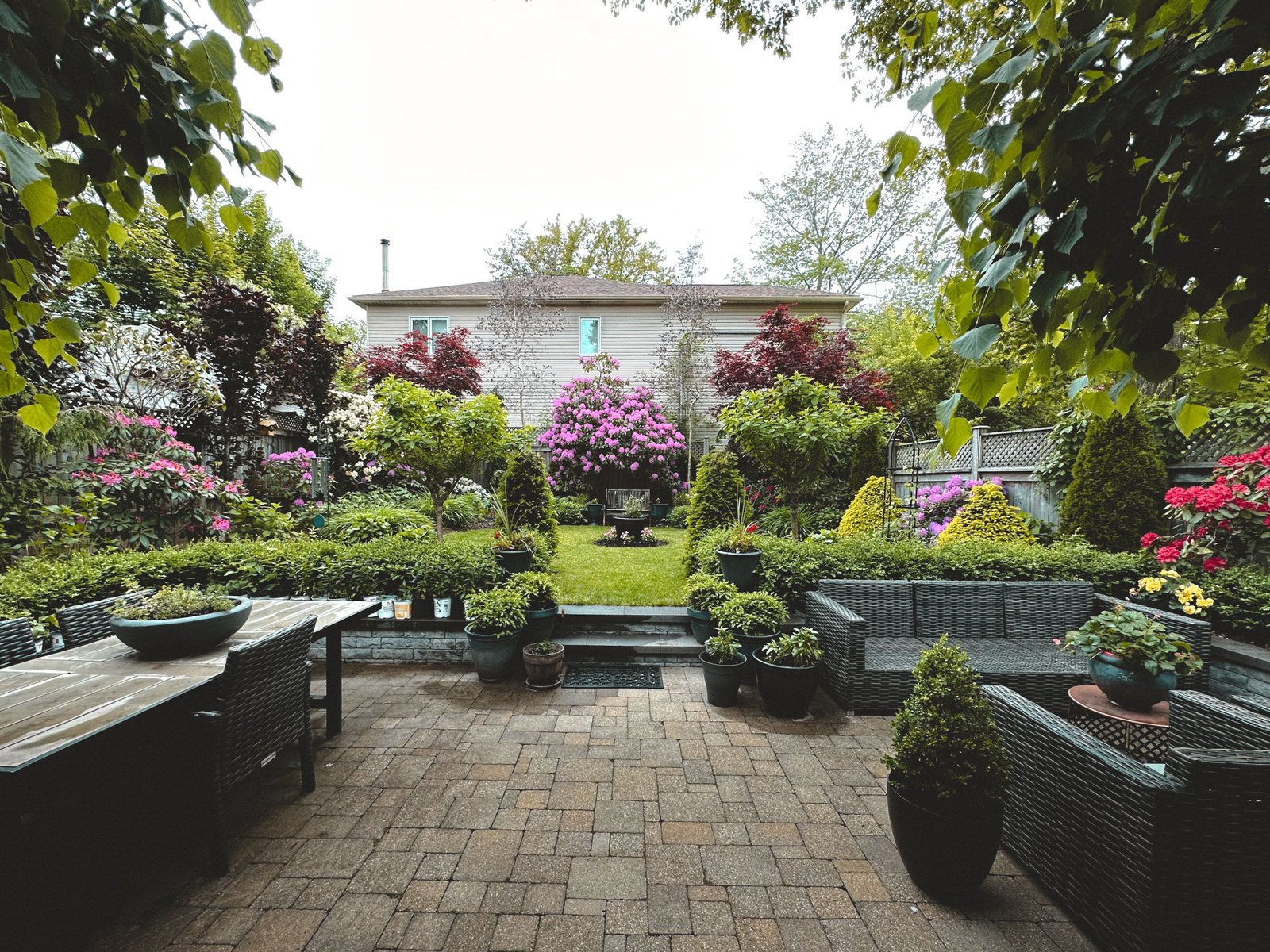
Creating an elegant home does not require luxury prices. Good proportions, a clear layout, controlled colors, thoughtful lighting, useful textiles, and carefully selected details can make ordinary rooms feel polished while keeping spending under control.
In This Article
- Begin With Order and a Clear Layout
- Choose a Limited Color Palette
- Improve Lighting Before Replacing Furniture
- Use Curtains to Add Height and Structure
- Make Textiles Look Intentional
- Choose the Right Rug Size
- Repeat Materials Around the Home
- Use Mirrors Strategically
- Create One Strong Focal Point
- Display Art at Thoughtful Heights
- Upgrade Small Details Selectively
- Shop Second-Hand With a Plan
- Mix Affordable and Special Pieces
- Keep Surfaces Mostly Clear
- Hide Everyday Visual Noise
- Use Plants as Living Decoration
- Refresh Existing Furniture
- Avoid Buying Complete Matching Sets
- Use Symmetry When It Helps
- Leave Space for the Home to Evolve
- Frequently Asked Questions
- Conclusion
- Review Before Buying Anything New
- Review Before Buying Anything New
- Review Before Buying Anything New
- Review Before Buying Anything New
- Review Before Buying Anything New
- Review Before Buying Anything New
- Review Before Buying Anything New
Begin With Order and a Clear Layout
An elegant home does not depend on expensive furniture. A room usually looks more refined when circulation is clear, surfaces are not overloaded, and every large piece has a logical position. Before buying anything, remove items that no longer serve the room and test different furniture arrangements.
Give the largest pieces enough visual space. When sofas, tables, cabinets, and chairs are packed tightly together, even good furniture can look chaotic. Measure the room and preserve comfortable routes between doors, windows, and frequently used areas.
Order also makes decorative choices more visible. A lamp, artwork, or textile has greater impact against a calm background than in a room filled with unrelated objects.
Choose a Limited Color Palette
A controlled palette is one of the most affordable ways to make different rooms feel intentional. Start with one or two main neutral or muted colors and add a small number of accent tones.
Elegant does not mean everything must be beige, white, or gray. Deep green, navy, terracotta, burgundy, or other stronger colors can work beautifully when repeated with restraint.
Test paint and textiles in the actual room. Natural light, artificial lighting, floor color, and nearby furniture can change how a color appears throughout the day.
Improve Lighting Before Replacing Furniture
Lighting can transform furniture you already own. Instead of relying only on a bright ceiling fixture, combine ambient, task, and accent lighting where the room allows.
Table lamps and floor lamps can create softer zones and highlight textures, art, or architectural details. In work areas, use adequate task lighting so atmosphere does not reduce practicality.
Choose fixtures with simple proportions that relate to the room. A well-placed inexpensive lamp can contribute more to the atmosphere than an expensive decorative object with no function.
Use Curtains to Add Height and Structure
Curtains can visually change the proportions of a room. When appropriate, mounting the rod higher and allowing the fabric to frame the window can make the opening feel taller.
Choose enough fabric to avoid a thin, unfinished appearance, but do not let curtains obstruct useful daylight unnecessarily. The exact length and fullness should suit the window, floor, and style.
Simple fabrics in colors related to the walls often create a calm background. Pattern can also work, especially when other elements in the room are restrained.
Make Textiles Look Intentional
Cushions, throws, bedding, and rugs are relatively easy to change and can add texture without major spending. Instead of buying many small pieces, choose a few that share colors or materials.
Mix textures such as smooth cotton, woven fabric, linen-like materials, velvet accents, or wool-like surfaces according to climate and maintenance needs.
Quality of arrangement matters as much as price. Fold throws neatly, keep cushions proportional to the furniture, and avoid covering every seat with decoration.
Choose the Right Rug Size
A rug that is too small can make a seating area feel disconnected. Whenever possible, choose a size that visually relates to the main furniture rather than floating alone in the center.
In dining rooms, consider the space needed when chairs are pulled out. In bedrooms, think about where feet land when getting out of bed.
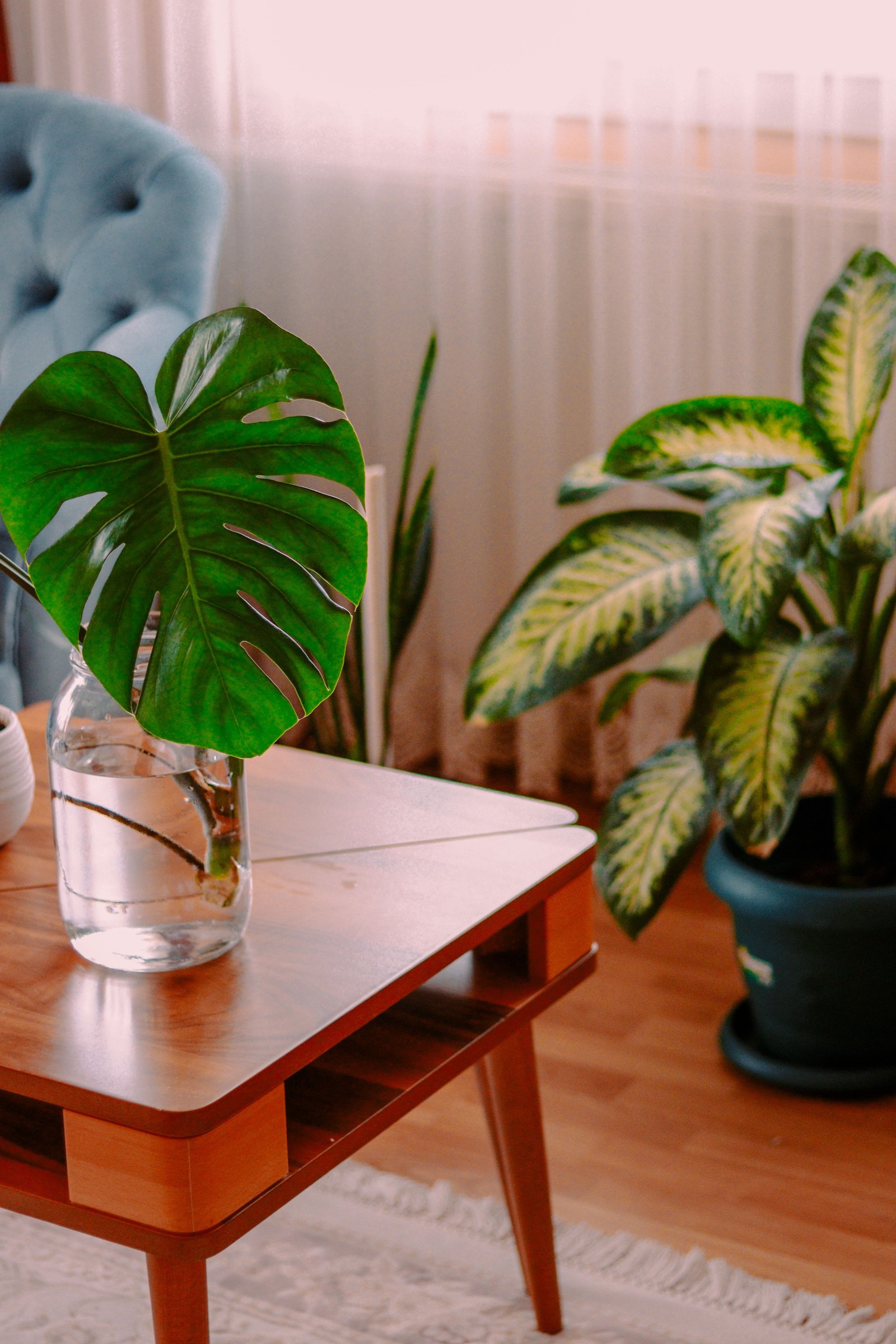
Second-hand or discounted rugs can be excellent options if they are clean and in good condition. Measure before shopping so a bargain does not become the wrong purchase.
Repeat Materials Around the Home
Repeating a few materials creates continuity. Wood tones, black metal, brass-like accents, glass, ceramic, or woven fibers can appear in different rooms without every piece matching.
Try to avoid introducing a new finish with every purchase. A small family of recurring materials helps unrelated furniture feel more connected.
You can often achieve this by moving accessories between rooms rather than buying new ones.
Use Mirrors Strategically
Mirrors can reflect light, views, and attractive parts of a room. Their effect depends more on placement than price.
Before hanging a mirror, check what it will reflect from the main viewing positions. Reflecting clutter or an awkward corner can make the room feel busier.
Use secure mounting appropriate to the mirror's weight and wall construction.
Create One Strong Focal Point
Rooms often feel more elegant when the eye has a clear place to rest. The focal point might be artwork, a window view, a fireplace, a distinctive light fixture, or a well-arranged sofa wall.
Do not make every wall compete for attention. Supporting areas can remain simpler so the focal point feels deliberate.
A large piece of art or a coordinated group can sometimes be more effective than many small unrelated decorations.
Display Art at Thoughtful Heights
Artwork should relate to nearby furniture and to normal eye level. Pieces hung too high can feel disconnected from the rest of the room.
Create paper templates before drilling several holes. This allows you to test size, spacing, and composition.
Affordable prints, photographs, personal artwork, and second-hand frames can look polished when the scale and arrangement are right.
Upgrade Small Details Selectively
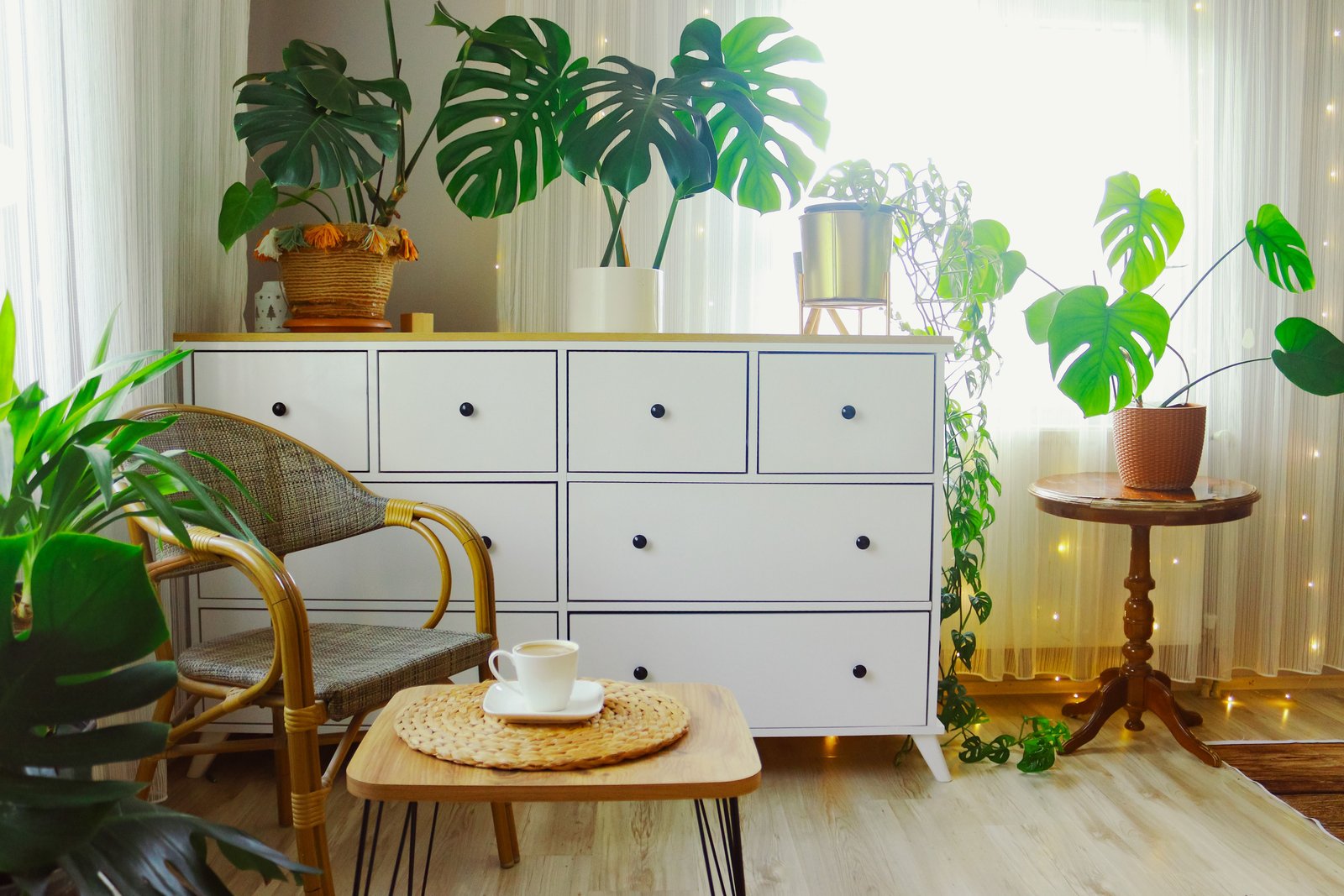
Handles, knobs, lampshades, cushion covers, trays, and frames are examples of small elements that can refresh a room without replacing large furniture.
Change only details that visibly improve the overall composition. Replacing every small item can cost more than expected and create unnecessary waste.
Keep original hardware when practical so changes can be reversed later.
Shop Second-Hand With a Plan
Second-hand furniture can add character and reduce costs, but buy according to measurements and needs rather than because an item is cheap.
Inspect stability, odors, damage, pests, and the condition of upholstery or finishes. Some repairs are simple, while others can make a low purchase price expensive.
Solid tables, mirrors, frames, shelves, and certain storage pieces are often easier to evaluate than complex upholstered furniture.
Mix Affordable and Special Pieces
Not every item needs to be a statement piece. Simple basics can support one or two objects with stronger character.
Spend more only where durability, comfort, or daily use justifies it. A frequently used sofa or mattress may deserve more budget than a decorative side table.
This approach prevents the room from looking like a collection of competing purchases.
Keep Surfaces Mostly Clear
Coffee tables, counters, consoles, and shelves look calmer when some empty space remains visible. Group small objects rather than spreading them across every surface.
Use trays or boxes to organize items that are used frequently. This makes cleaning easier and creates a more deliberate appearance.
Rotate decorative objects instead of displaying everything at once.
Hide Everyday Visual Noise
Cables, packaging, papers, remote controls, chargers, and miscellaneous objects can make an otherwise attractive room feel unfinished.
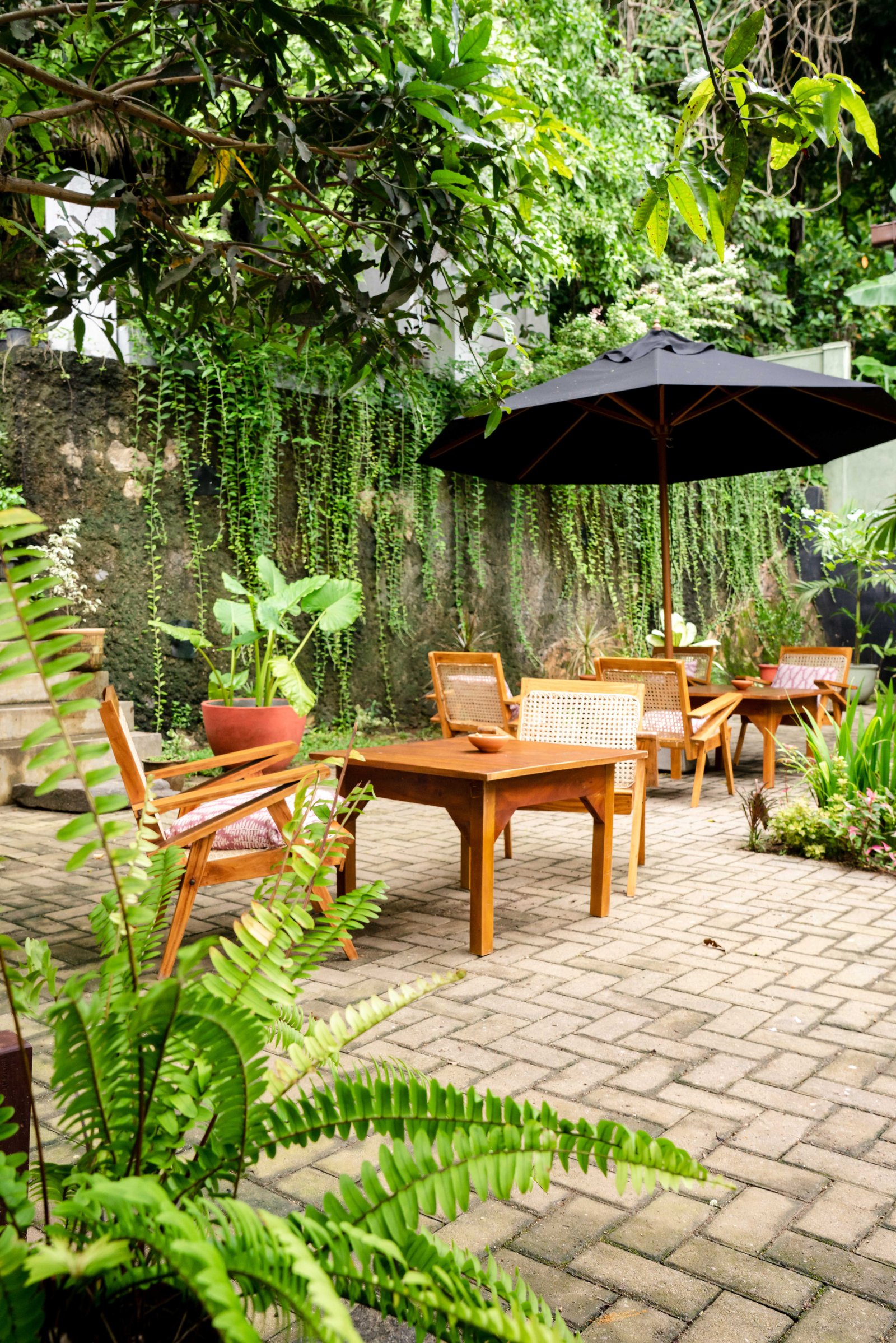
Create simple storage close to where these items are used. A drawer, basket, cable box, or closed cabinet can reduce visual clutter.
Organization should support daily habits; complicated systems are less likely to remain tidy.
Use Plants as Living Decoration
Plants can add shape, texture, and color at relatively low cost. Choose species suited to the room's actual light and your ability to care for them.
One healthy, appropriately sized plant often looks better than several struggling plants placed only to fill gaps.
Use pots that relate to the room's palette and protect furniture and floors from moisture.
Refresh Existing Furniture
Before replacing furniture, consider whether cleaning, polishing, new hardware, a slipcover, or careful refinishing could improve it.
Only use products suitable for the material and test treatments in an inconspicuous area.
Simple maintenance can restore visual consistency and extend the life of pieces you already own.
Avoid Buying Complete Matching Sets
A home can feel more personal when furniture relates without being identical. Matching sets are convenient, but mixing compatible shapes, colors, and materials can create more depth.
Use one shared characteristic to connect different pieces, such as wood tone, leg shape, upholstery color, or metal finish.
Build the room gradually so each purchase responds to a real need.
Use Symmetry When It Helps
Symmetry can create a sense of order, particularly around beds, sofas, consoles, and dining areas. Two lamps or balanced artwork can make a composition feel settled.
Perfect symmetry is not required. Visual balance can also be achieved with objects of different sizes that carry similar weight.
Use symmetry as a tool rather than a rule for every room.
Leave Space for the Home to Evolve
Trying to finish an entire home immediately often leads to unnecessary purchases. Live with the rooms and notice what is genuinely missing.
Saving for one appropriate item can be better than buying several temporary substitutes.
An elegant home usually develops through editing, maintenance, and thoughtful choices rather than constant consumption.
Frequently Asked Questions
Can a home look elegant on a small budget?
Yes. Layout, lighting, color consistency, proportion, cleanliness, and thoughtful editing often matter more than the price of individual objects.
Which upgrade gives the biggest visual impact?
Improved lighting, correctly sized curtains or rugs, and reducing visual clutter can produce major changes without replacing all the furniture.
Should all furniture match?
No. Pieces can differ while sharing colors, materials, proportions, or design characteristics.
Are neutral colors necessary?
No. Stronger colors can look sophisticated when they are used intentionally and balanced with the rest of the palette.
Is second-hand furniture a good option?
It can be excellent when dimensions, condition, cleanliness, repair needs, and suitability for the room are checked carefully.
Conclusion
Elegance at home comes from coherence more than cost. Start with order and layout, improve lighting, choose a limited palette, use textiles and art with intention, and repeat a few materials throughout the home. Shop slowly, measure before buying, and improve what you already own whenever possible. A room with breathing space, comfortable furniture, and thoughtful details will usually feel more refined than one filled with expensive but unrelated objects.
Review Before Buying Anything New
Take photographs of each room and make a short list of the three changes that would improve it most. Often the answer is rearrangement, better lighting, or removing clutter rather than another purchase.
Wait a few days before buying decorative items. This simple pause helps separate genuine needs from impulse purchases and keeps the final design more coherent.
Review Before Buying Anything New
Take photographs of each room and make a short list of the three changes that would improve it most. Often the answer is rearrangement, better lighting, or removing clutter rather than another purchase.
Wait a few days before buying decorative items. This simple pause helps separate genuine needs from impulse purchases and keeps the final design more coherent.
Review Before Buying Anything New
Take photographs of each room and make a short list of the three changes that would improve it most. Often the answer is rearrangement, better lighting, or removing clutter rather than another purchase.
Wait a few days before buying decorative items. This simple pause helps separate genuine needs from impulse purchases and keeps the final design more coherent.
Review Before Buying Anything New
Take photographs of each room and make a short list of the three changes that would improve it most. Often the answer is rearrangement, better lighting, or removing clutter rather than another purchase.
Wait a few days before buying decorative items. This simple pause helps separate genuine needs from impulse purchases and keeps the final design more coherent.
Review Before Buying Anything New
Take photographs of each room and make a short list of the three changes that would improve it most. Often the answer is rearrangement, better lighting, or removing clutter rather than another purchase.
Wait a few days before buying decorative items. This simple pause helps separate genuine needs from impulse purchases and keeps the final design more coherent.
Review Before Buying Anything New
Take photographs of each room and make a short list of the three changes that would improve it most. Often the answer is rearrangement, better lighting, or removing clutter rather than another purchase.
Wait a few days before buying decorative items. This simple pause helps separate genuine needs from impulse purchases and keeps the final design more coherent.
Review Before Buying Anything New
Take photographs of each room and make a short list of the three changes that would improve it most. Often the answer is rearrangement, better lighting, or removing clutter rather than another purchase.
Wait a few days before buying decorative items. This simple pause helps separate genuine needs from impulse purchases and keeps the final design more coherent.