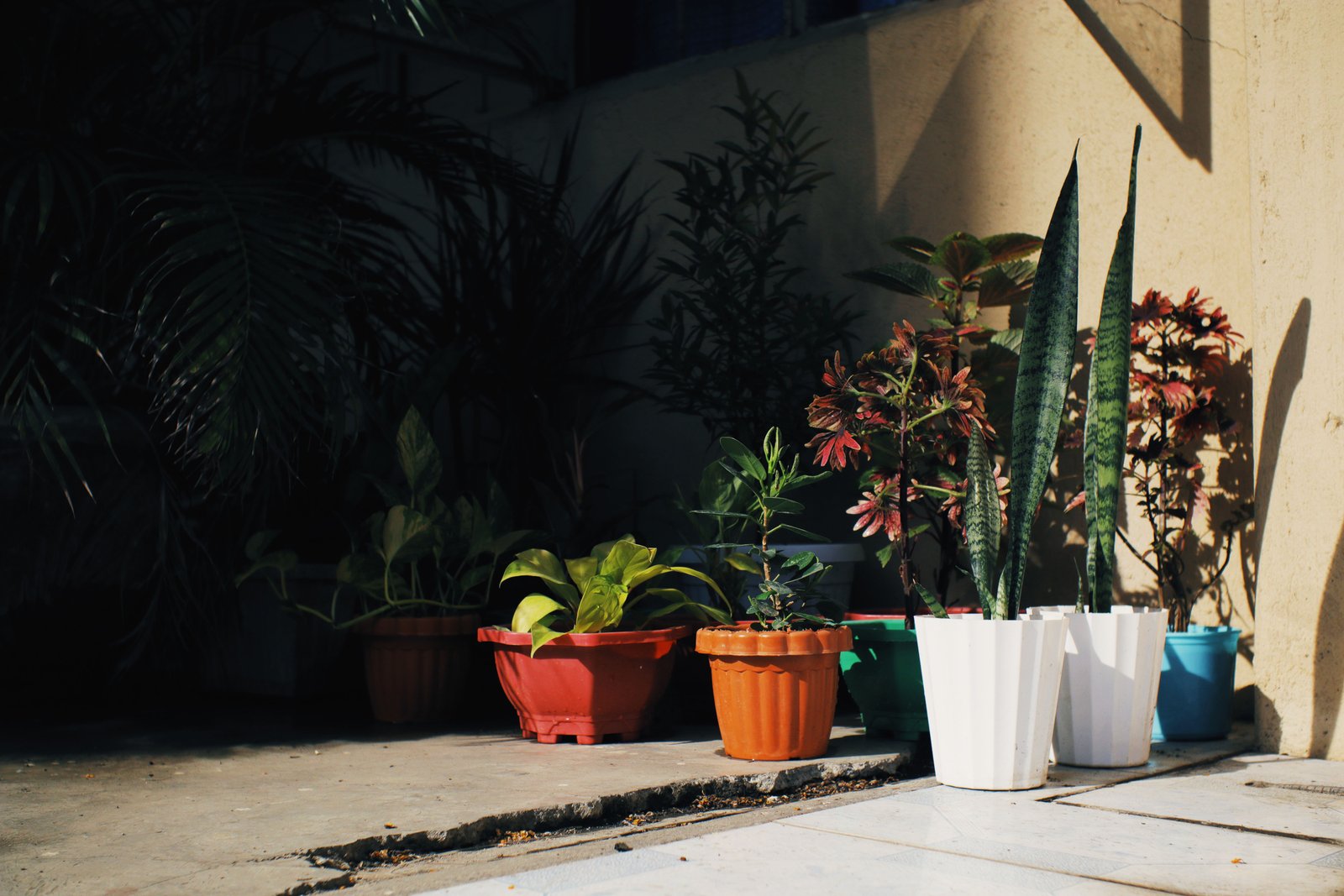
A low-maintenance garden is not a garden without care. It is a space designed so routine work stays reasonable through suitable plants, a simple layout, efficient watering, protected soil, durable materials, and easy access. The most effective way to reduce maintenance is to make better decisions before planting.
In This Article
- Choose Plants That Suit the Site
- Group Plants With Similar Needs
- Simplify the Layout
- Plan Efficient Watering
- Protect the Soil
- Reduce Unnecessary Lawn
- Design for Easy Access
- Use Mulch and Groundcovers Wisely
- Limit Demanding Features
- Create a Seasonal Routine
- Frequently Asked Questions
- Conclusion
Choose Plants That Suit the Site
Plant choice has the greatest influence on future workload.
Match every species to local climate, sunlight, soil, drainage, mature size, and realistic watering conditions. Before making changes, observe the real conditions of the space and decide what problem you are trying to solve. A practical decision based on light, climate, dimensions, access, and everyday use is usually more valuable than adding features simply because they look attractive in a photograph.
Research mature height and width so plants do not require constant pruning or repeated transplanting. Think about long-term use as well as the first impression. Materials and plants should be proportionate to the available space, easy to reach when maintenance is required, and compatible with the people who use the garden. This reduces unnecessary purchases and prevents small design choices from becoming recurring chores.
Use a smaller palette of reliable plants repeatedly instead of filling the garden with demanding varieties. Work gradually whenever possible. After each meaningful change, observe how the area performs before adding the next element. A staged approach makes it easier to control costs, correct mistakes, and understand how sunlight, water, circulation, and plant growth affect the result over time.
Group Plants With Similar Needs
Organizing plants by similar requirements makes routine care simpler.
Keep plants with comparable water needs in the same irrigation zones. Before making changes, observe the real conditions of the space and decide what problem you are trying to solve. A practical decision based on light, climate, dimensions, access, and everyday use is usually more valuable than adding features simply because they look attractive in a photograph.
Place plants that need frequent attention where they are easy to reach. Think about long-term use as well as the first impression. Materials and plants should be proportionate to the available space, easy to reach when maintenance is required, and compatible with the people who use the garden. This reduces unnecessary purchases and prevents small design choices from becoming recurring chores.
Use repeated groups to simplify both maintenance and the visual composition. Work gradually whenever possible. After each meaningful change, observe how the area performs before adding the next element. A staged approach makes it easier to control costs, correct mistakes, and understand how sunlight, water, circulation, and plant growth affect the result over time.
Simplify the Layout
Complicated shapes and numerous isolated areas can create unnecessary edging, cleaning, and watering.
Use clear bed lines and comfortable paths that provide access to every important area. Before making changes, observe the real conditions of the space and decide what problem you are trying to solve. A practical decision based on light, climate, dimensions, access, and everyday use is usually more valuable than adding features simply because they look attractive in a photograph.
Reduce narrow planting strips that are difficult to reach or too small for mature plants. Think about long-term use as well as the first impression. Materials and plants should be proportionate to the available space, easy to reach when maintenance is required, and compatible with the people who use the garden. This reduces unnecessary purchases and prevents small design choices from becoming recurring chores.
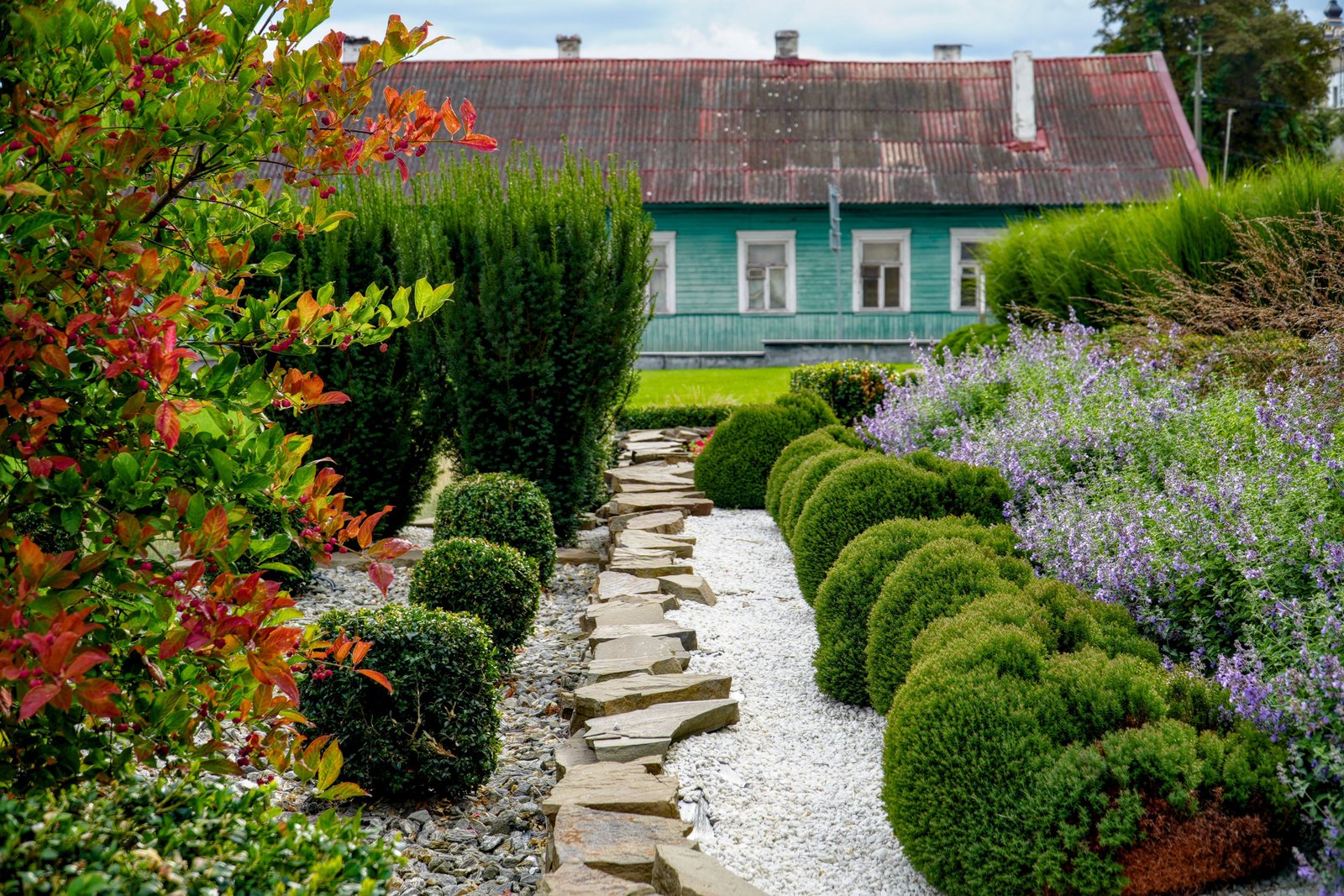
Keep permanent features arranged so tools and equipment can move through the garden easily. Work gradually whenever possible. After each meaningful change, observe how the area performs before adding the next element. A staged approach makes it easier to control costs, correct mistakes, and understand how sunlight, water, circulation, and plant growth affect the result over time.
Plan Efficient Watering
A low-maintenance garden still needs reliable watering where rainfall is insufficient.
Decide how new plants will be watered before installing them. Before making changes, observe the real conditions of the space and decide what problem you are trying to solve. A practical decision based on light, climate, dimensions, access, and everyday use is usually more valuable than adding features simply because they look attractive in a photograph.
Inspect irrigation for leaks, blocked outlets, overspray, and schedules that no longer match the season. Think about long-term use as well as the first impression. Materials and plants should be proportionate to the available space, easy to reach when maintenance is required, and compatible with the people who use the garden. This reduces unnecessary purchases and prevents small design choices from becoming recurring chores.
Water according to plant needs and soil conditions rather than following one permanent schedule. Work gradually whenever possible. After each meaningful change, observe how the area performs before adding the next element. A staged approach makes it easier to control costs, correct mistakes, and understand how sunlight, water, circulation, and plant growth affect the result over time.
Protect the Soil
Healthy, covered soil can reduce several recurring tasks.
Use an appropriate mulch where suitable to conserve moisture and suppress some unwanted growth. Before making changes, observe the real conditions of the space and decide what problem you are trying to solve. A practical decision based on light, climate, dimensions, access, and everyday use is usually more valuable than adding features simply because they look attractive in a photograph.
Keep mulch away from trunks and stems instead of piling it directly against plant bases. Think about long-term use as well as the first impression. Materials and plants should be proportionate to the available space, easy to reach when maintenance is required, and compatible with the people who use the garden. This reduces unnecessary purchases and prevents small design choices from becoming recurring chores.
Check soil drainage and compaction before adding amendments or planting large areas. Work gradually whenever possible. After each meaningful change, observe how the area performs before adding the next element. A staged approach makes it easier to control costs, correct mistakes, and understand how sunlight, water, circulation, and plant growth affect the result over time.
Reduce Unnecessary Lawn
Lawn is useful when it has a clear function, but it can create regular mowing, edging, watering, and repair.
Keep grass where it supports play, circulation, or an intentional open view. Before making changes, observe the real conditions of the space and decide what problem you are trying to solve. A practical decision based on light, climate, dimensions, access, and everyday use is usually more valuable than adding features simply because they look attractive in a photograph.
Consider locally suitable alternatives in awkward corners or areas that are rarely used. Think about long-term use as well as the first impression. Materials and plants should be proportionate to the available space, easy to reach when maintenance is required, and compatible with the people who use the garden. This reduces unnecessary purchases and prevents small design choices from becoming recurring chores.
Evaluate drainage, heat, accessibility, and maintenance before replacing lawn with hard surfaces. Work gradually whenever possible. After each meaningful change, observe how the area performs before adding the next element. A staged approach makes it easier to control costs, correct mistakes, and understand how sunlight, water, circulation, and plant growth affect the result over time.
Design for Easy Access
Maintenance becomes harder when beds and equipment cannot be reached comfortably.
Keep paths wide enough for the tools you actually use. Before making changes, observe the real conditions of the space and decide what problem you are trying to solve. A practical decision based on light, climate, dimensions, access, and everyday use is usually more valuable than adding features simply because they look attractive in a photograph.
Avoid beds so deep that routine pruning or weeding requires stepping on plants. Think about long-term use as well as the first impression. Materials and plants should be proportionate to the available space, easy to reach when maintenance is required, and compatible with the people who use the garden. This reduces unnecessary purchases and prevents small design choices from becoming recurring chores.
Leave access to taps, irrigation components, walls, fences, and utilities. Work gradually whenever possible. After each meaningful change, observe how the area performs before adding the next element. A staged approach makes it easier to control costs, correct mistakes, and understand how sunlight, water, circulation, and plant growth affect the result over time.
Use Mulch and Groundcovers Wisely
Covering exposed soil can reduce some weed pressure and moisture loss.
Select materials or groundcover plants that are appropriate for the climate and planting conditions. Before making changes, observe the real conditions of the space and decide what problem you are trying to solve. A practical decision based on light, climate, dimensions, access, and everyday use is usually more valuable than adding features simply because they look attractive in a photograph.
Do not assume more mulch is always better; inspect existing depth before adding another layer. Think about long-term use as well as the first impression. Materials and plants should be proportionate to the available space, easy to reach when maintenance is required, and compatible with the people who use the garden. This reduces unnecessary purchases and prevents small design choices from becoming recurring chores.
Prevent aggressive groundcovers from spreading into areas where they will create additional work. Work gradually whenever possible. After each meaningful change, observe how the area performs before adding the next element. A staged approach makes it easier to control costs, correct mistakes, and understand how sunlight, water, circulation, and plant growth affect the result over time.
Limit Demanding Features
Formal hedges, elaborate topiary, delicate annual displays, and many tiny containers can create frequent tasks.
Use high-maintenance features only where their visual impact justifies the effort. Before making changes, observe the real conditions of the space and decide what problem you are trying to solve. A practical decision based on light, climate, dimensions, access, and everyday use is usually more valuable than adding features simply because they look attractive in a photograph.
Balance demanding focal areas with simpler planting elsewhere. Think about long-term use as well as the first impression. Materials and plants should be proportionate to the available space, easy to reach when maintenance is required, and compatible with the people who use the garden. This reduces unnecessary purchases and prevents small design choices from becoming recurring chores.
Choose durable materials that do not require constant refinishing or repair. Work gradually whenever possible. After each meaningful change, observe how the area performs before adding the next element. A staged approach makes it easier to control costs, correct mistakes, and understand how sunlight, water, circulation, and plant growth affect the result over time.
Create a Seasonal Routine
Small regular checks are easier than allowing problems to accumulate.
Inspect irrigation, weeds, damaged plants, paths, and mulch at predictable intervals. Before making changes, observe the real conditions of the space and decide what problem you are trying to solve. A practical decision based on light, climate, dimensions, access, and everyday use is usually more valuable than adding features simply because they look attractive in a photograph.
Prune for health, safety, or deliberate structure instead of trying to keep every plant perfectly uniform. Think about long-term use as well as the first impression. Materials and plants should be proportionate to the available space, easy to reach when maintenance is required, and compatible with the people who use the garden. This reduces unnecessary purchases and prevents small design choices from becoming recurring chores.
Record recurring problems so the underlying cause can be corrected rather than repeatedly treated. Work gradually whenever possible. After each meaningful change, observe how the area performs before adding the next element. A staged approach makes it easier to control costs, correct mistakes, and understand how sunlight, water, circulation, and plant growth affect the result over time.
Frequently Asked Questions
Does low maintenance mean no maintenance?
No. Every garden requires some care; the goal is to reduce unnecessary or repetitive work through better planning.
Are drought-tolerant plants always easy to maintain?
No. They still need the correct climate, light, soil, drainage, and space.
Can mulch reduce work?
It can help with moisture conservation and some weeds when used correctly and kept away from trunks and stems.
Should all lawn be removed?
Not necessarily. Keep lawn where it has a useful purpose and replace only areas where an alternative works better.
What should I change first?
Identify which current task consumes the most time and correct the design or plant choice causing that task.
Conclusion
A low-maintenance garden becomes much easier when the design responds to real conditions instead of creating unnecessary work. Start with the essential functions, make changes gradually, and review the results as plants and routines develop. A thoughtful garden can remain attractive, comfortable, and manageable for years when every element has a clear purpose.