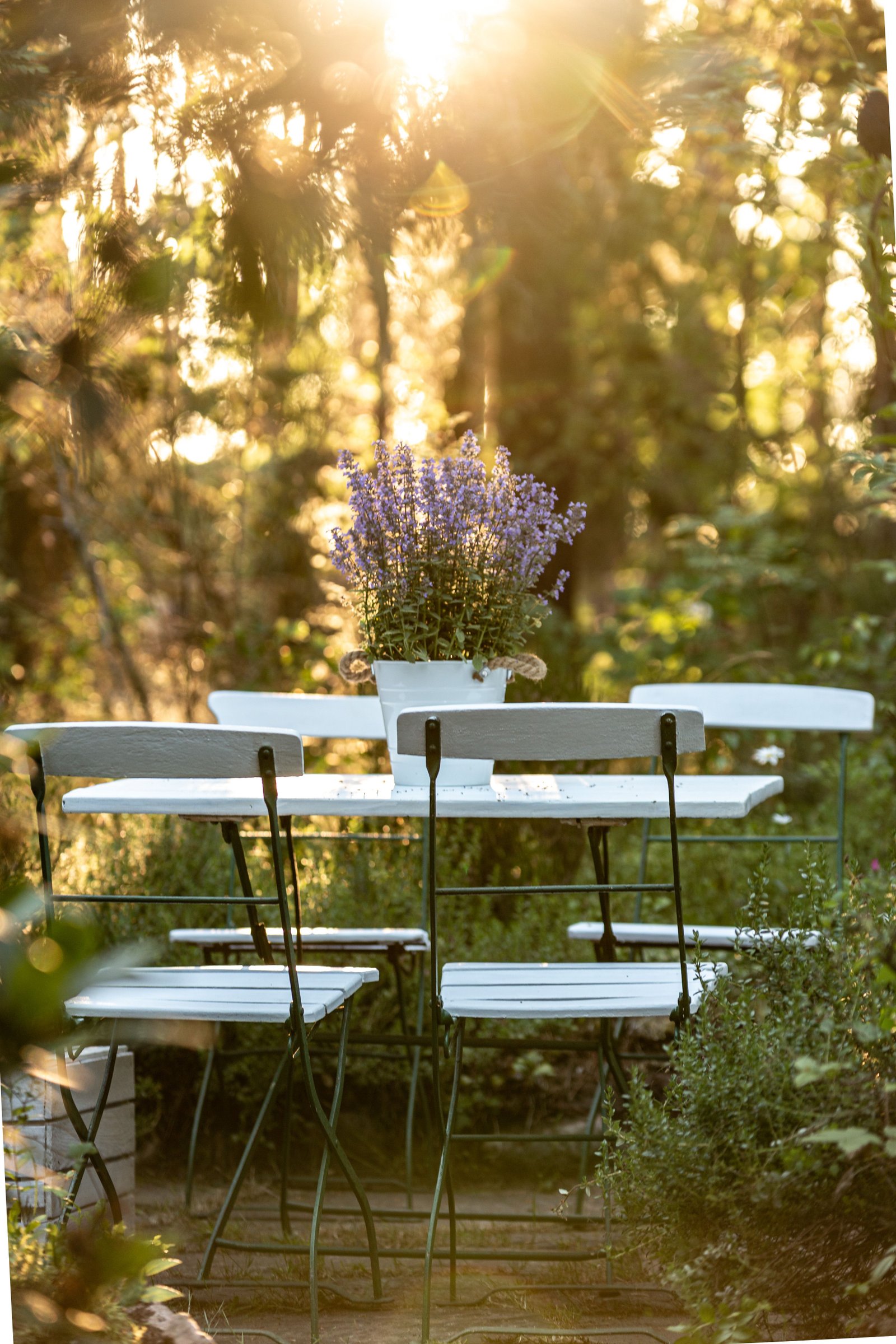
A night garden is designed for the hours after sunset, when safe circulation, subtle light, fragrance, texture, and comfort become especially important. With discreet lighting, pale flowers, aromatic plants, clear paths, and a comfortable seating area, an ordinary outdoor space can become a calm place to enjoy in the evening.
In This Article
- Define How the Garden Will Be Used at Night
- Use Discreet, Layered Lighting
- Make Paths and Steps Safe
- Use Pale Flowers and Visible Foliage
- Add Fragrance With Moderation
- Create Comfortable Evening Seating
- Reduce Light Spill
- Protect Nocturnal Wildlife
- Plan Views From Inside the House
- Test Before Installing Permanently
- Frequently Asked Questions
- Conclusion
Define How the Garden Will Be Used at Night
Start with activities rather than buying lights.
Decide whether the space is mainly for dining, conversation, reading, walking, entertaining, or enjoying the view from indoors. Before making changes, observe the real conditions of the space and decide what problem you are trying to solve. A practical decision based on light, climate, dimensions, access, and everyday use is usually more valuable than adding features simply because they look attractive in a photograph.
Mark entrances, paths, steps, seating, and task areas that genuinely need visibility. Think about long-term use as well as the first impression. Materials and plants should be proportionate to the available space, easy to reach when maintenance is required, and compatible with the people who use the garden. This reduces unnecessary purchases and prevents small design choices from becoming recurring chores.
Prioritize useful zones so decorative lighting does not overwhelm the garden. Work gradually whenever possible. After each meaningful change, observe how the area performs before adding the next element. A staged approach makes it easier to control costs, correct mistakes, and understand how sunlight, water, circulation, and plant growth affect the result over time.
Use Discreet, Layered Lighting
A night garden usually feels more comfortable when lighting is restrained.
Provide enough light for orientation and tasks, then add only a few carefully chosen accents. Before making changes, observe the real conditions of the space and decide what problem you are trying to solve. A practical decision based on light, climate, dimensions, access, and everyday use is usually more valuable than adding features simply because they look attractive in a photograph.
Avoid glare at eye level by using appropriate shielding, direction, and output. Think about long-term use as well as the first impression. Materials and plants should be proportionate to the available space, easy to reach when maintenance is required, and compatible with the people who use the garden. This reduces unnecessary purchases and prevents small design choices from becoming recurring chores.
Evaluate the garden after dark before deciding that more fixtures are necessary. Work gradually whenever possible. After each meaningful change, observe how the area performs before adding the next element. A staged approach makes it easier to control costs, correct mistakes, and understand how sunlight, water, circulation, and plant growth affect the result over time.
Make Paths and Steps Safe
Safe circulation should come before decorative effects.
Reveal changes in level, stair edges, narrow passages, entrances, and common obstacles. Before making changes, observe the real conditions of the space and decide what problem you are trying to solve. A practical decision based on light, climate, dimensions, access, and everyday use is usually more valuable than adding features simply because they look attractive in a photograph.
Keep plants, hoses, pots, and other objects away from important nighttime routes. Think about long-term use as well as the first impression. Materials and plants should be proportionate to the available space, easy to reach when maintenance is required, and compatible with the people who use the garden. This reduces unnecessary purchases and prevents small design choices from becoming recurring chores.

Avoid extreme contrasts between very bright areas and completely dark walking surfaces. Work gradually whenever possible. After each meaningful change, observe how the area performs before adding the next element. A staged approach makes it easier to control costs, correct mistakes, and understand how sunlight, water, circulation, and plant growth affect the result over time.
Use Pale Flowers and Visible Foliage
Light colors often remain easier to see after sunset.
Consider white, cream, pale yellow, silver, and light foliage where growing conditions are appropriate. Before making changes, observe the real conditions of the space and decide what problem you are trying to solve. A practical decision based on light, climate, dimensions, access, and everyday use is usually more valuable than adding features simply because they look attractive in a photograph.
Use foliage as well as flowers so nighttime interest lasts beyond a short blooming period. Think about long-term use as well as the first impression. Materials and plants should be proportionate to the available space, easy to reach when maintenance is required, and compatible with the people who use the garden. This reduces unnecessary purchases and prevents small design choices from becoming recurring chores.
Always choose plants for climate, sunlight, water, and mature size before selecting them for color. Work gradually whenever possible. After each meaningful change, observe how the area performs before adding the next element. A staged approach makes it easier to control costs, correct mistakes, and understand how sunlight, water, circulation, and plant growth affect the result over time.
Add Fragrance With Moderation
Scent can become an important part of the garden after sunset.
Place suitable fragrant plants near seating or frequently used routes. Before making changes, observe the real conditions of the space and decide what problem you are trying to solve. A practical decision based on light, climate, dimensions, access, and everyday use is usually more valuable than adding features simply because they look attractive in a photograph.
Avoid combining too many powerful fragrances in one confined area. Think about long-term use as well as the first impression. Materials and plants should be proportionate to the available space, easy to reach when maintenance is required, and compatible with the people who use the garden. This reduces unnecessary purchases and prevents small design choices from becoming recurring chores.
Check that each plant is appropriate for the household, climate, pets, and available space. Work gradually whenever possible. After each meaningful change, observe how the area performs before adding the next element. A staged approach makes it easier to control costs, correct mistakes, and understand how sunlight, water, circulation, and plant growth affect the result over time.
Create Comfortable Evening Seating
A night garden needs a place where people can actually relax.
Test seating positions after sunset to evaluate wind, temperature, privacy, views, and nearby light. Before making changes, observe the real conditions of the space and decide what problem you are trying to solve. A practical decision based on light, climate, dimensions, access, and everyday use is usually more valuable than adding features simply because they look attractive in a photograph.
Leave enough room around chairs and tables for comfortable movement. Think about long-term use as well as the first impression. Materials and plants should be proportionate to the available space, easy to reach when maintenance is required, and compatible with the people who use the garden. This reduces unnecessary purchases and prevents small design choices from becoming recurring chores.
Provide focused task lighting for eating or reading instead of increasing brightness across the whole garden. Work gradually whenever possible. After each meaningful change, observe how the area performs before adding the next element. A staged approach makes it easier to control costs, correct mistakes, and understand how sunlight, water, circulation, and plant growth affect the result over time.
Reduce Light Spill
Uncontrolled light can affect neighbors, the night sky, and nocturnal wildlife.
Direct light toward the surface or feature that actually needs it. Before making changes, observe the real conditions of the space and decide what problem you are trying to solve. A practical decision based on light, climate, dimensions, access, and everyday use is usually more valuable than adding features simply because they look attractive in a photograph.
Use shielding and lower output where possible to reduce unnecessary spill. Think about long-term use as well as the first impression. Materials and plants should be proportionate to the available space, easy to reach when maintenance is required, and compatible with the people who use the garden. This reduces unnecessary purchases and prevents small design choices from becoming recurring chores.
Use timers, sensors, or separate zones so decorative lighting is not left on without a reason. Work gradually whenever possible. After each meaningful change, observe how the area performs before adding the next element. A staged approach makes it easier to control costs, correct mistakes, and understand how sunlight, water, circulation, and plant growth affect the result over time.
Protect Nocturnal Wildlife
Darkness is part of the nighttime environment and should remain part of the design.
Keep selected areas genuinely dark instead of illuminating every tree and boundary. Before making changes, observe the real conditions of the space and decide what problem you are trying to solve. A practical decision based on light, climate, dimensions, access, and everyday use is usually more valuable than adding features simply because they look attractive in a photograph.
Limit operating hours and avoid unnecessary light near habitat areas. Think about long-term use as well as the first impression. Materials and plants should be proportionate to the available space, easy to reach when maintenance is required, and compatible with the people who use the garden. This reduces unnecessary purchases and prevents small design choices from becoming recurring chores.
Use only the amount of artificial light required for a clear human purpose. Work gradually whenever possible. After each meaningful change, observe how the area performs before adding the next element. A staged approach makes it easier to control costs, correct mistakes, and understand how sunlight, water, circulation, and plant growth affect the result over time.
Plan Views From Inside the House
The garden may be viewed through windows more often than it is occupied.
Choose a small number of features worth revealing from important rooms. Before making changes, observe the real conditions of the space and decide what problem you are trying to solve. A practical decision based on light, climate, dimensions, access, and everyday use is usually more valuable than adding features simply because they look attractive in a photograph.
Check reflections on glass because bright interior or exterior fixtures can obscure the view. Think about long-term use as well as the first impression. Materials and plants should be proportionate to the available space, easy to reach when maintenance is required, and compatible with the people who use the garden. This reduces unnecessary purchases and prevents small design choices from becoming recurring chores.
Use depth and selective illumination rather than lighting the entire property evenly. Work gradually whenever possible. After each meaningful change, observe how the area performs before adding the next element. A staged approach makes it easier to control costs, correct mistakes, and understand how sunlight, water, circulation, and plant growth affect the result over time.
Test Before Installing Permanently
Temporary testing can prevent expensive mistakes.
Use portable lights or simple markers to experiment with positions before permanent installation. Before making changes, observe the real conditions of the space and decide what problem you are trying to solve. A practical decision based on light, climate, dimensions, access, and everyday use is usually more valuable than adding features simply because they look attractive in a photograph.
Walk every route and sit in every important area while checking glare, shadows, and dark steps. Think about long-term use as well as the first impression. Materials and plants should be proportionate to the available space, easy to reach when maintenance is required, and compatible with the people who use the garden. This reduces unnecessary purchases and prevents small design choices from becoming recurring chores.
Review the layout as plants mature because foliage can eventually block or redirect light. Work gradually whenever possible. After each meaningful change, observe how the area performs before adding the next element. A staged approach makes it easier to control costs, correct mistakes, and understand how sunlight, water, circulation, and plant growth affect the result over time.
Frequently Asked Questions
How much lighting does a night garden need?
Only enough for safe movement, intended activities, and a limited number of focal points.
Which colors are easiest to see after sunset?
White, cream, pale yellow, silver, and other light tones often remain more visible.
Should lights remain on all night?
Usually not. Controls can limit lighting to the periods when it is actually needed.
Can lighting affect wildlife?
Yes. Excessive artificial light can affect nocturnal species, so preserve dark areas and reduce unnecessary operating time.
What should be illuminated first?
Prioritize entrances, paths, steps, level changes, and areas used for seating or tasks.
Conclusion
A night garden becomes much easier when the design responds to real conditions instead of creating unnecessary work. Start with the essential functions, make changes gradually, and review the results as plants and routines develop. A thoughtful garden can remain attractive, comfortable, and manageable for years when every element has a clear purpose.