In This Article
- Introduction
- Choose the Right Location
- Plan the Space Before Buying Furniture
- Choose Comfortable Furniture
- Use Textiles and Lighting to Create Warmth
- Keep the Breakfast Area Organized
- Make Small Spaces Work Harder
- Add Practical Decorative Details
- Avoid Common Breakfast Nook Mistakes
- Adapt the Area to Everyday Life
- Frequently Asked Questions
- Improve Comfort Through Simple Adjustments
- Improve Comfort Through Simple Adjustments
- Conclusion
Introduction
A thoughtfully designed breakfast area can transform an underused corner into one of the most pleasant places in the home. It does not need to be large or expensive. A compact table, comfortable seating, suitable lighting, and a few practical details may be enough to create a space for breakfast, coffee, reading, or an informal meal.
The most important step is to design around the way the household actually lives. A beautiful arrangement that blocks circulation or requires furniture to be moved several times a day quickly becomes inconvenient. Before purchasing anything, observe the room, measure the available area, and decide how many people will normally use the breakfast zone.
Choose the Right Location
Look first for spaces that are already connected to daily routines. A corner near the kitchen, a bright area beside a window, or an unused section of a dining room can work well. Natural light is particularly valuable in the morning because it makes a small area feel more open and inviting.
However, light should not be the only consideration. Check circulation between the refrigerator, sink, doors, cabinets, and main walkways. Chairs should be able to move without blocking essential paths. If the area is beside a door, make sure seated people will not interfere with opening it.
Observe the location at the time of day when it will be used most. Strong direct sun can make a seat uncomfortable, while a dark corner may need additional lighting. These simple observations help determine whether the location really suits the intended routine.
Plan the Space Before Buying Furniture
Measure the floor area and mark the approximate dimensions of the table with painter's tape. Then place chairs or temporary objects around the outline to understand how much room is needed for sitting down and standing up. This simple test can prevent buying furniture that looks compact in a showroom but feels oversized at home.
Consider the number of regular users rather than planning for occasional large gatherings. If two people normally eat breakfast together, a small table for two or three may be more useful than a large table that consumes valuable space every day. Extra guests can often be accommodated elsewhere when necessary.
Think vertically as well as horizontally. A narrow wall can support shelves for cups, small containers, or decorative objects. Keeping some storage off the floor helps preserve circulation and makes a compact breakfast area feel less crowded.
Choose Comfortable Furniture
The table should match both the room and the way it will be used. Round tables can soften tight corners and remove sharp edges from circulation paths. Rectangular tables may fit better against a wall, while a narrow counter-style surface can work where floor space is especially limited.
Comfortable seating matters because the area may be used for more than a quick meal. Chairs should provide reasonable support and fit completely beneath or close to the table when not in use. In very small rooms, benches can save space, especially when placed against a wall.
A built-in or freestanding bench may also provide storage beneath the seat. This can be useful for items that are needed occasionally, but the storage should remain easy to access. Avoid designs that require removing several cushions or moving the entire table whenever something is needed.

Choose materials that tolerate everyday use. Breakfast areas are exposed to crumbs, drinks, and frequent cleaning. Surfaces that can be wiped easily generally make the space more practical than delicate finishes that require constant care.
Use Textiles and Lighting to Create Warmth
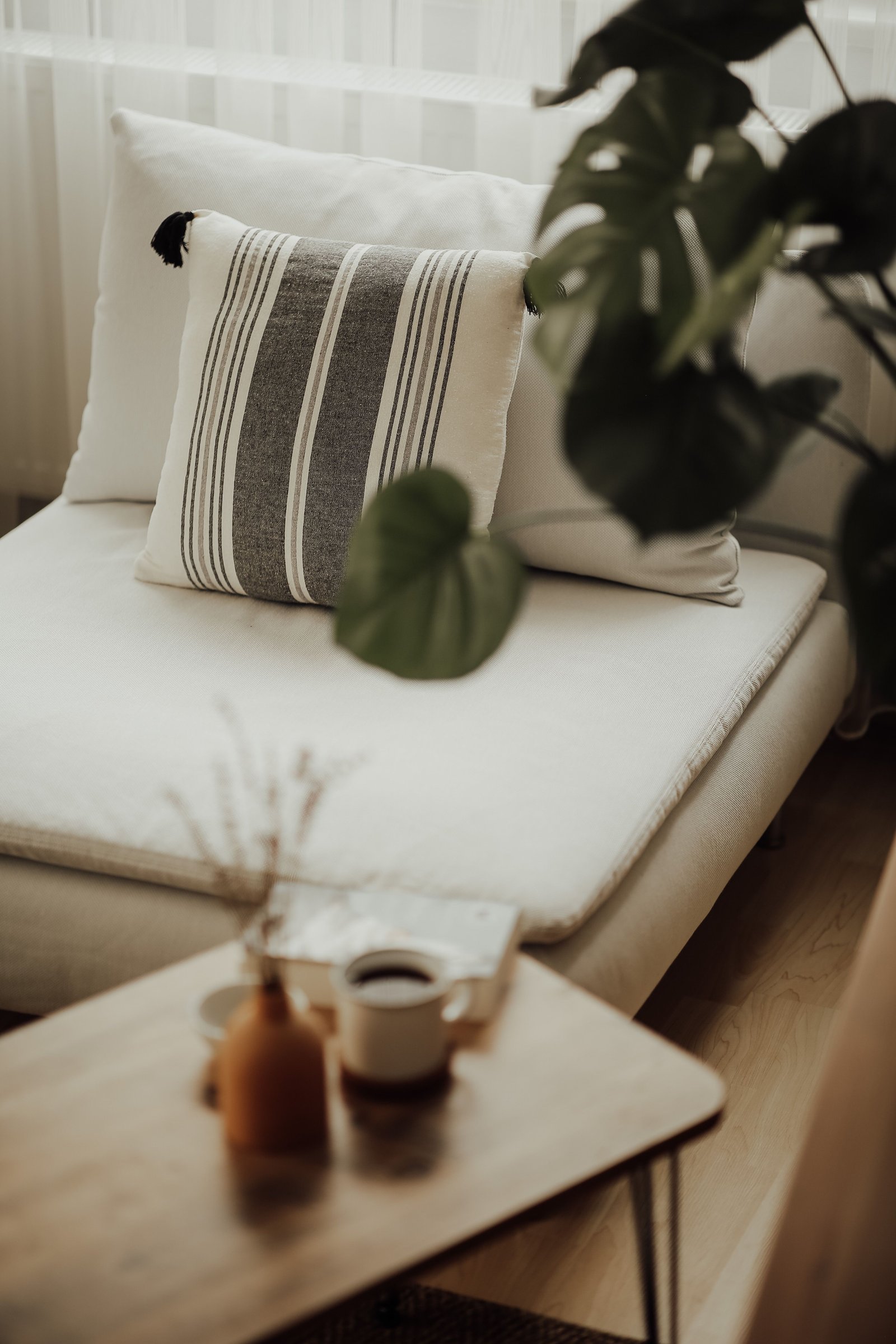
Textiles can make a small breakfast nook feel more comfortable without occupying much space. Seat cushions, a washable runner, or a small rug can introduce texture and color. In an area close to food preparation, washable materials are usually the most practical choice.
If a rug is used, choose a size that does not create an awkward obstacle when chairs move. The edges should remain flat and stable. In very compact spaces, leaving the floor uncovered may be simpler and easier to clean.
Lighting should support the morning routine and evening use if necessary. Natural light may be sufficient during the day, while a pendant, wall light, or nearby ceiling fixture can provide additional illumination. The light should reach the tabletop without creating glare at eye level.
Warmth does not require filling every surface. A few coordinated elements usually create a calmer atmosphere than many small decorations. The goal is to make the breakfast area feel intentional while keeping it easy to clean and use.
Keep the Breakfast Area Organized
Organization is especially important when the breakfast area is small. Keep the tabletop mostly clear so it remains ready for meals. Frequently used items such as napkins or coasters can be stored in a small basket, drawer, or nearby shelf instead of permanently covering the table.
If the area is close to the kitchen, avoid duplicating storage unnecessarily. Cups, plates, and breakfast foods may already have an efficient place in existing cabinets. The breakfast nook should complement the kitchen rather than becoming another location where miscellaneous objects accumulate.
A wall shelf can hold a small number of useful or decorative items, but leave visual space between objects. Overloaded shelves can make a compact corner feel smaller and are harder to clean.

Review the area periodically. Papers, chargers, bags, and other everyday objects often migrate to an unused table. Returning these items to their proper places keeps the breakfast zone available for its intended purpose.
Make Small Spaces Work Harder
In a narrow room, furniture with more than one function can be particularly valuable. A bench with storage, a drop-leaf table, or stools that slide fully underneath a counter can preserve flexibility. Folding solutions are useful only when they are simple enough to operate regularly.
Use corners carefully. An L-shaped bench can provide several seats without requiring chairs on every side of the table. Before choosing this arrangement, check that people can enter and leave the bench comfortably without forcing everyone else to stand up.
Mirrors can reflect light and visually open a compact breakfast area, but they should be positioned where reflections are pleasant rather than distracting. A single appropriately sized mirror is often more effective than several small pieces.
Keep the palette connected to the surrounding room. Repeating a cabinet finish, wood tone, or neutral color can help the breakfast area feel integrated rather than squeezed into leftover space.
Add Practical Decorative Details
Decoration should support the atmosphere without interfering with meals. A small plant, a simple vase, framed artwork, or one attractive tray can be enough. Choose items that are easy to move when the entire tabletop is needed.
If the area receives good natural light, a suitable houseplant can bring freshness to the corner. Consider mature plant size and watering needs before placing it near upholstered seating or food. A plant that constantly drops leaves or requires frequent moving may not be the best choice.
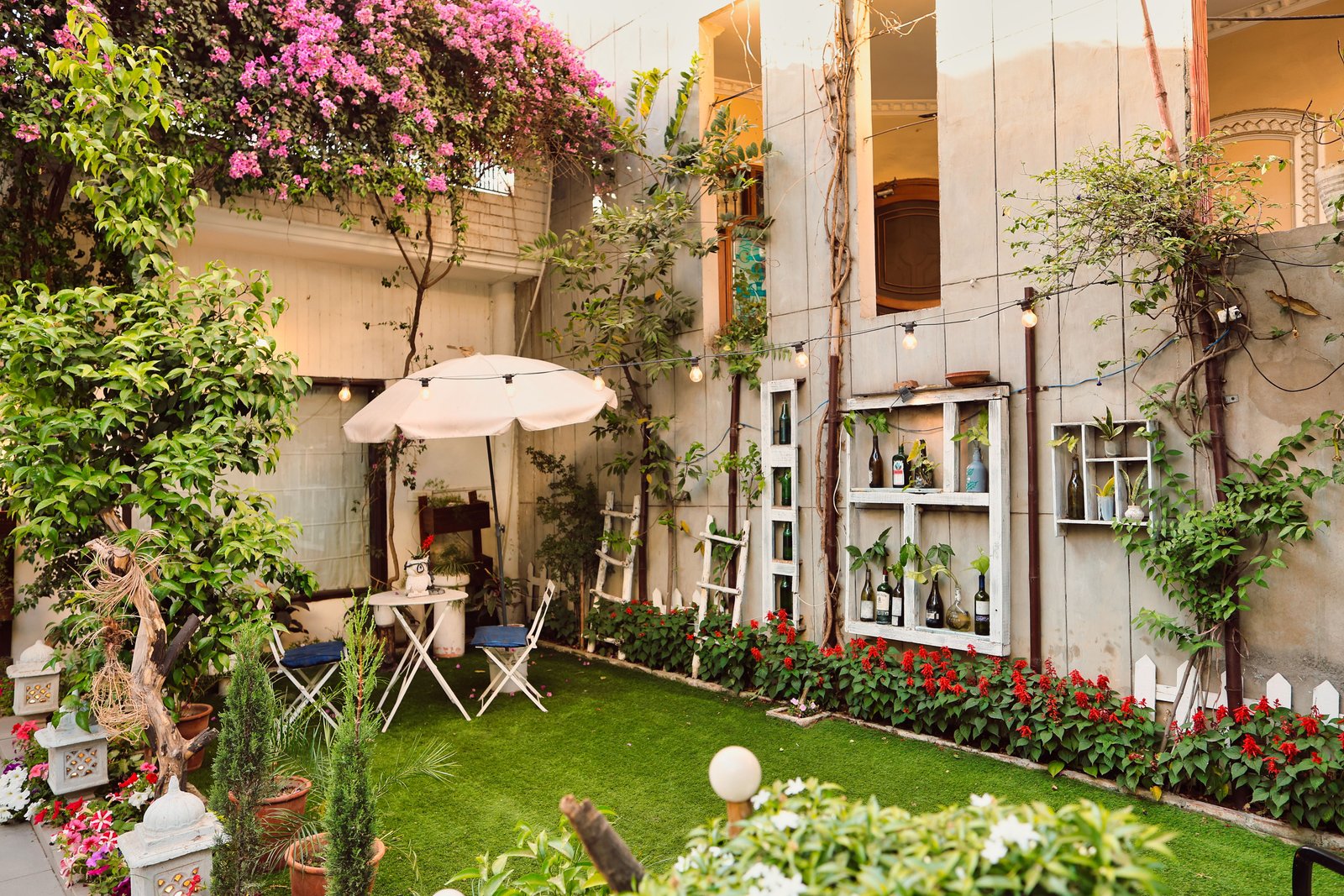
Wall art is useful because it adds personality without taking up floor or table space. Hang it at a height that relates visually to the seating area. Oversized pieces can dominate a very small nook, while many tiny frames can make the wall look busy.
Personal details make the space feel like part of the home. The objective is not to reproduce a showroom image but to create a place that feels comfortable during real breakfasts and ordinary weekdays.
Avoid Common Breakfast Nook Mistakes
One common mistake is choosing furniture before measuring. A table may technically fit while leaving too little room to pull out chairs. Always consider the space required while the furniture is being used, not only its dimensions when everything is pushed into place.
Another mistake is prioritizing appearance over cleaning. Thick fabrics, delicate surfaces, or complicated decorative arrangements can become frustrating in an area used for food every day. Durable, washable choices usually provide a better long-term result.
Do not place the area where it blocks essential kitchen circulation. A breakfast nook should make daily life easier, not create congestion around appliances, cabinets, or doors.
Finally, avoid adding storage simply because there is an empty wall. Storage is useful when it serves a real need. Unnecessary shelves often become places for clutter and make the room feel more crowded.
Adapt the Area to Everyday Life
Use the breakfast area for several weeks before making major additions. Notice which chairs are preferred, whether the table is large enough, and whether the lighting works at different times of day. Real use often reveals small improvements that were impossible to predict during planning.
If the nook also becomes a place for homework, remote work, or reading, provide a convenient outlet where possible and keep charging cables organized. At the end of the activity, clear work materials so the table can return easily to meal use.
Seasonal changes may also affect comfort. Morning sunlight shifts during the year, and temperatures near windows can change. Curtains, blinds, cushions, or small furniture adjustments can help the space remain comfortable without redesigning it completely.
Set a simple maintenance routine. Wipe the table regularly, vacuum or clean beneath seating, wash removable textiles when needed, and inspect furniture hardware occasionally. A well-maintained breakfast area stays inviting with relatively little effort.
Frequently Asked Questions
How much space is needed for a breakfast area?
There is no single minimum size because furniture and circulation needs vary. Measure the location and allow enough room for chairs to be used comfortably without blocking important paths.
What type of table works best in a small breakfast nook?
Round, compact rectangular, drop-leaf, and narrow counter-style tables can all work. The best option is the one that fits the measured space and normal number of users while preserving circulation.
How can a breakfast area feel cozier without adding clutter?
Use a limited number of elements such as comfortable cushions, warm lighting, one piece of wall art, or a small plant. Keeping the tabletop mostly clear helps the space remain calm and functional.
Can a breakfast nook also be used as a workspace?
Yes, provided the table and seating are comfortable enough and work materials can be cleared easily. Good lighting and organized access to power can make occasional work more practical.
Improve Comfort Through Simple Adjustments
Comfort often depends on small details rather than additional furniture. Check whether chair height, table position, and the distance to the wall allow people to sit naturally. If a bench feels too deep, a supportive cushion can improve the seating position without changing the entire arrangement.
Temperature and airflow also influence whether the area is used. A breakfast nook beside a window may feel pleasant in one season and uncomfortable in another. Observe drafts and strong sun, then use blinds, curtains, or small seasonal adjustments when necessary.
Improve Comfort Through Simple Adjustments
Comfort often depends on small details rather than additional furniture. Check whether chair height, table position, and the distance to the wall allow people to sit naturally. If a bench feels too deep, a supportive cushion can improve the seating position without changing the entire arrangement.
Temperature and airflow also influence whether the area is used. A breakfast nook beside a window may feel pleasant in one season and uncomfortable in another. Observe drafts and strong sun, then use blinds, curtains, or small seasonal adjustments when necessary.
Conclusion
A cozy breakfast area is created through proportion, comfort, and practical decisions rather than through size or expense. Choose a location that supports daily routines, measure before buying furniture, preserve circulation, and select surfaces that are easy to maintain. Add lighting, textiles, and decoration with restraint so the space remains useful.
Start with the essentials and live with the arrangement before adding more. When the breakfast nook responds to the real habits of the household, even a small corner can become a comfortable place to begin the day and enjoy informal moments at home.