In This Article
- Introduction
- Control Temperature
- Review Watering Frequency
- Provide Enough Light
- Maintain Appropriate Ventilation
- Create a Simple Winter Care Routine
- Clean and Observe Your Plants
- Avoid Changing Everything at Once
- Consider the Needs of Each Species
- Review Outdoor Containers and Garden Plants
- Frequently Asked Questions
- Prepare for Sudden Cold Spells
- Prepare for Sudden Cold Spells
- Conclusion
Introduction
Winter can significantly change the conditions around indoor and outdoor plants. Temperatures fall, daylight hours may decrease, soil can remain moist for longer, and heating systems can alter indoor air. These changes affect how quickly plants use water, how much new growth they produce, and how they respond to light and ventilation.
For this reason, repeating exactly the same care routine used in warmer seasons is not always appropriate. A plant that needed frequent watering in summer may need much less when temperatures fall. A location that was bright in another season may also become darker because the angle and duration of sunlight change.
Winter plant care is usually more about observation than constant action. Understanding the needs of each species helps you avoid excess watering, unnecessary moving, or other changes that may create more stress than the cold itself.
Control Temperature
Temperature is one of the main winter factors to monitor. Each species has a different tolerance for cold. Some plants remain outdoors without major problems, while tropical or sensitive species may need protection when temperatures fall below their preferred range.
Do not consider daytime temperature alone. Nights can be significantly colder, and rapid differences between day and night can affect sensitive plants. Local microclimates matter as well: a plant beside a sheltered wall may experience very different conditions from one placed in an open, windy position.
Watch the Most Exposed Areas
Outdoor plants in open spaces may be affected by wind as well as low temperatures. Observe whether containers are exposed to strong drafts, cold corners, or areas where frost persists longer. Moving a sensitive container a short distance to a sheltered position may sometimes provide useful protection.
Indoors, avoid placing sensitive plants directly beside doors that remain open for long periods or windows with strong cold drafts. Sudden temperature changes can be more stressful than a stable cool room.
Protect Sensitive Plants Carefully
When a species does not tolerate low temperatures, it may need a more protected position. Depending on the plant, this could mean moving it indoors, placing it under shelter, or using suitable protective materials outdoors.
Do not make extreme changes without understanding the species. A plant accustomed to cool outdoor conditions can also suffer if suddenly moved into a very warm, dark, dry room. Make changes gradually when possible and monitor the response.
Review Watering Frequency
Lower temperatures often slow the rate at which soil loses moisture. For this reason, check the growing medium before watering again. A rigid schedule can result in adding water while the root zone is still adequately moist.
The correct frequency depends on the species, pot size, soil, temperature, light, and ventilation. A plant near a heating source may dry more quickly than another in a cool room, even if both are the same species.
Check the Growing Medium Before Watering
The surface can look dry while deeper layers still contain moisture. Learn how the pot feels when it is freshly watered and as it dries. For suitable plants, checking the upper part of the growing medium can provide useful information.
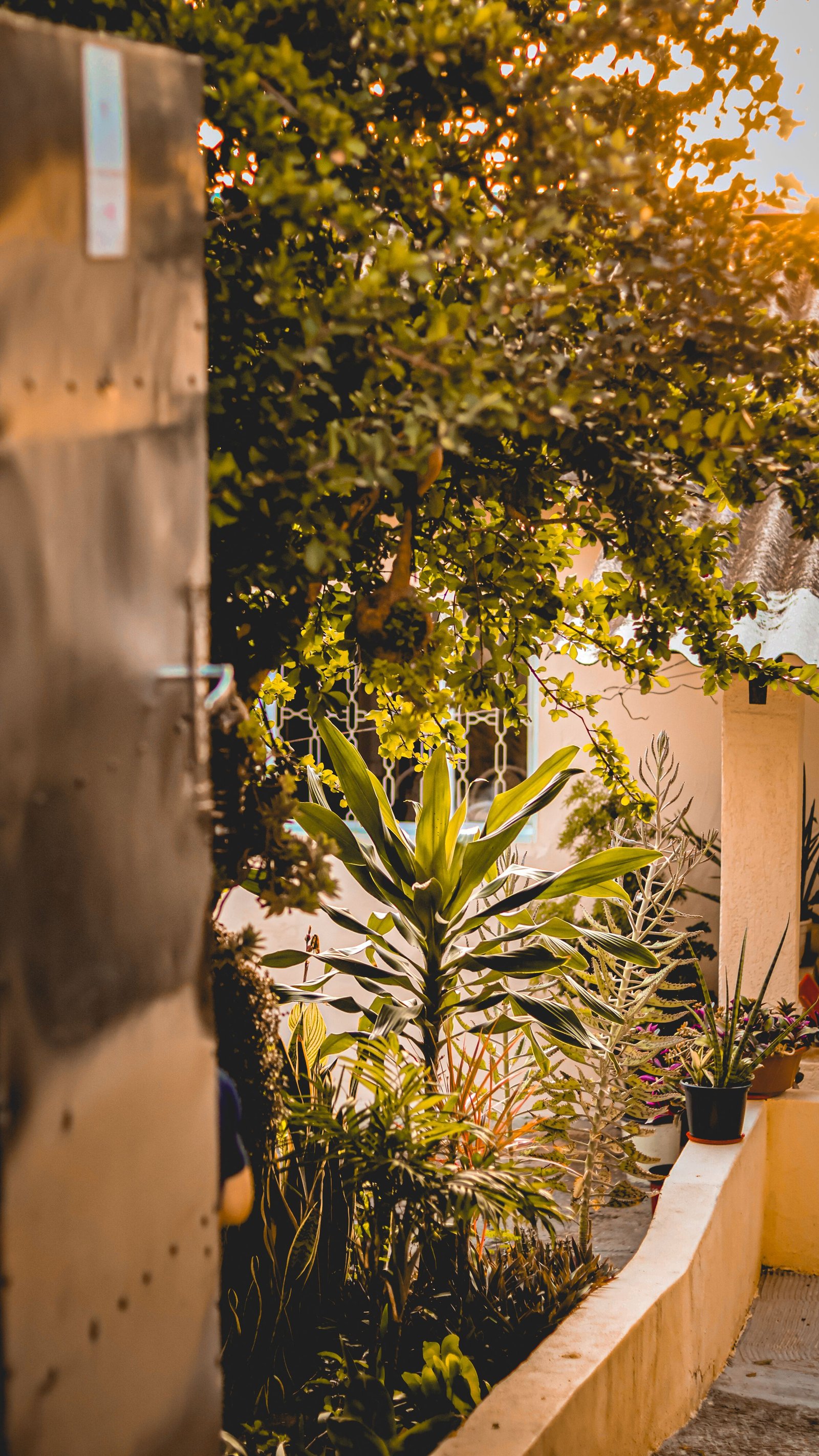
Make sure containers have appropriate drainage where the species requires it. Water that remains trapped for long periods can create poor root conditions, especially when evaporation is slower in winter.
Avoid Excess Water
One of the most common cold-season mistakes is watering automatically because a certain number of days have passed. Instead, observe the plant, soil, and environment. The same schedule used in summer may be excessive in winter.
Do not allow excess water to remain in saucers or decorative outer containers for long periods unless the plant is specifically adapted to those conditions. Empty standing water after the pot has drained when appropriate.
Provide Enough Light
Shorter days and a lower sun angle can reduce the amount of light available indoors. A location that received strong light in summer may receive much less during winter. Observe which windows are brightest and how the light moves through the room.
Light needs remain species-specific. Some plants tolerate lower indirect light, while others need substantially more. Slower winter growth does not mean that every plant can live in a dark location.
Observe Windows and Surroundings
Before moving plants, watch the available light at several times of day. Furniture, nearby buildings, trees, and seasonal sun angles can all change the brightness of a location.
Keeping windows reasonably clean can help maximize natural light. Dust on glass can reduce the amount of light entering a room, particularly where winter daylight is already limited.
Avoid Sudden Changes
If a plant needs a brighter position, move it thoughtfully. A sudden transition from a low-light area to intense direct sun can sometimes cause stress. Consider the natural preferences of the species and increase exposure gradually where appropriate.
If a plant begins to change appearance, review light, watering, and temperature together before deciding on a major change. Symptoms can overlap, so changing multiple factors at once makes diagnosis more difficult.
Maintain Appropriate Ventilation
Indoor plants benefit from reasonable air circulation, but ventilation does not mean exposing them to freezing drafts. A room kept closed for long periods can accumulate humidity and stale air, while a constantly open cold window can create abrupt temperature changes.
Seek balance between fresh air and temperature stability. Short, controlled ventilation may be preferable to leaving a sensitive plant directly in the path of cold air.
Avoid Strong Drafts
When outdoor temperatures are very low, do not place delicate plants immediately beside an open window for extended periods. Cold drafts can damage sensitive foliage and create sudden temperature shifts.
Also avoid placing plants too close to radiators or other heat sources. These areas can become unusually hot and dry compared with the rest of the room.
Observe the Whole Environment
Ventilation should be considered together with temperature, humidity, and light. There is no single arrangement that works for every species. Pay attention to how each plant responds to the actual room conditions.
Create a Simple Winter Care Routine
A short observation routine can prevent many winter problems. You do not need to inspect every plant constantly, but a regular check helps identify changes before they become serious.
- Check soil moisture before watering.
- Observe leaves and stems for changes.
- Watch for areas that are too cold or exposed.
- Review the amount of light available.
- Keep plant-care tools clean.
- Remove damaged leaves when appropriate.
- Avoid moving plants repeatedly without a clear reason.
- Adapt care to each species.
The frequency of these checks depends on the number of plants and the conditions in the home or garden. Consistency matters more than performing many tasks every day.
Clean and Observe Your Plants
Winter can be a good time to pay attention to dust on indoor foliage. Dust can affect appearance and may reduce the amount of light reaching the leaf surface.
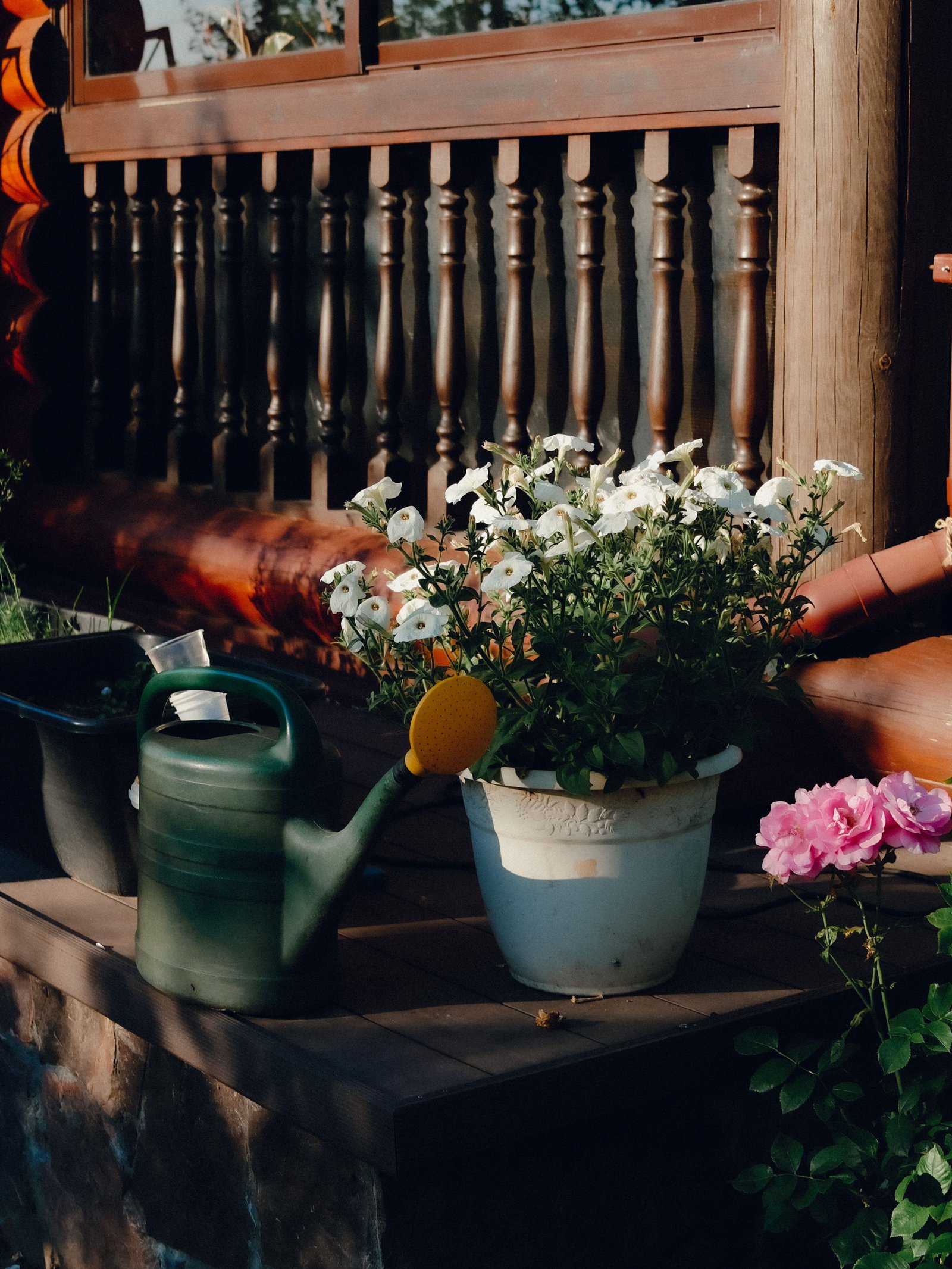
The correct cleaning method depends on the species and leaf type. Some plants tolerate a gentle wipe, while delicate or hairy leaves may need a different approach. Avoid applying leaf-shine or other products unless they are appropriate for that plant.
During cleaning, inspect the undersides of leaves, stems, and the surface of the soil. Early detection of pests or other problems makes them easier to manage.
Avoid Changing Everything at Once
If a plant appears stressed, avoid changing location, watering, light, fertilizer, and temperature all at the same time. When several variables change together, it becomes difficult to identify the cause of the problem.
First ask what changed in the environment. Did the room become colder? Did heating begin? Did daylight decrease? Is the soil staying wet longer? Make one reasonable adjustment and observe the result before adding another change.
This gradual approach is especially useful in winter because many plants naturally grow more slowly. Slow growth does not automatically mean something is wrong.
Consider the Needs of Each Species
A routine that works for one plant may be completely inappropriate for another. Tropical houseplants, succulents, Mediterranean herbs, deciduous outdoor plants, and cold-hardy perennials respond differently to winter.
Use general winter guidance as a starting point, then check information specific to the species you own. Its preferred temperature range, light level, dormancy pattern, and watering needs should take priority over generic advice.
Pruning is another example. Not every plant should be pruned during winter. Some species respond well to winter pruning, while others should be cut at a different time. Check the recommended timing before removing branches or stems.
Review Outdoor Containers and Garden Plants
Container plants can be more exposed to cold because their roots are surrounded by a smaller volume of soil than plants growing in the ground. If a species is sensitive, consider whether the container needs a sheltered location or another locally appropriate protection method.
Check that outdoor pots can still drain. Prolonged cold combined with saturated soil can create poor root conditions. Raise containers where necessary to prevent drainage holes from becoming blocked.
For garden plants, avoid unnecessary disturbance during periods of severe cold. Focus on monitoring moisture, wind exposure, and physical damage rather than making major changes unless a real problem requires attention.
Frequently Asked Questions
Do all plants need winter protection?
No. Some species are adapted to low temperatures, while others are sensitive. Protection needs depend on species, temperature, wind, humidity, and where the plant is grown.
Should I water less in winter?
In many situations the soil stays moist longer, but frequency should be based on actual conditions. Check the growing medium and the species before watering again.
Where should plants be placed during cold weather?
It depends on the species. Sensitive plants may need a more protected location, while cold-tolerant plants may remain outdoors if conditions are suitable.
Do plants still need light if they grow more slowly in winter?
Yes. Reduced growth does not mean plants can remain in complete darkness. Light requirements continue to depend on the species.
Should plants be placed near heating?
Not necessarily. Radiators and other heat sources can create unusually hot, dry conditions. A stable location away from intense direct heat is usually safer.
Should plants be pruned in winter?
Only when winter is the appropriate pruning period for that species. Check species-specific guidance before cutting.
Prepare for Sudden Cold Spells
Even in generally mild climates, short cold spells can create conditions very different from the seasonal average. Watch reliable local forecasts and identify sensitive outdoor plants before temperatures drop sharply. Temporary protection can be useful for some species, but it should be applied in a way that does not crush foliage or trap excessive moisture.
After the cold period, inspect plants before pruning damaged tissue immediately. Some cold injury becomes clearer after a short time, and living tissue may still exist beneath visibly affected leaves or stems. Follow species-specific guidance before making major cuts.
Prepare for Sudden Cold Spells
Even in generally mild climates, short cold spells can create conditions very different from the seasonal average. Watch reliable local forecasts and identify sensitive outdoor plants before temperatures drop sharply. Temporary protection can be useful for some species, but it should be applied in a way that does not crush foliage or trap excessive moisture.
After the cold period, inspect plants before pruning damaged tissue immediately. Some cold injury becomes clearer after a short time, and living tissue may still exist beneath visibly affected leaves or stems. Follow species-specific guidance before making major cuts.
Conclusion
Winter plant care is mainly about adapting to environmental changes rather than doing more work. Temperature, soil moisture, daylight, ventilation, and heating can all alter what a plant needs.
Observe before acting. Check the growing medium before watering, protect sensitive species from inappropriate cold, use the best available light, avoid extreme drafts and heat, and make changes gradually. Because every species responds differently, specific plant requirements should always guide the final decision. With consistent observation and a simple routine, many plants can pass through the colder months in good condition and be ready for the next growing season.