In This Article
- Introduction
- Understand What Natural Textiles Are
- Choose the Right Fabric for Each Use
- Combine Textures Without Making the Room Heavy
- Use Natural Textiles in the Living Room
- Use Them in Bedrooms
- Bring Them Into the Kitchen and Dining Area
- Use Curtains to Soften Light
- Mix Natural Textiles With Wood, Stone, and Ceramics
- Care for Natural Fabrics Correctly
- Create a Cohesive Palette
- Use Natural Textiles Seasonally
- Common Mistakes to Avoid
- Frequently Asked Questions
- Shop More Thoughtfully
- Shop More Thoughtfully
- Shop More Thoughtfully
- Shop More Thoughtfully
- Shop More Thoughtfully
- Shop More Thoughtfully
- Shop More Thoughtfully
- Shop More Thoughtfully
- Conclusion
Introduction
Natural textiles can make a home feel warmer, softer, and more comfortable. Materials such as cotton, linen, wool, jute, hemp, and other natural fibers introduce texture and visual depth while remaining practical when they are selected according to the room and the way the item will be used.
The goal is not to fill the home with one material. Natural textiles work best when they are combined thoughtfully with existing furniture, colors, wood, stone, metal, and ceramics. A few well-chosen fabrics can transform the atmosphere without requiring major renovation.
Understand What Natural Textiles Are
Natural textiles are produced from plant- or animal-based fibers. Cotton and linen are common examples, while wool, jute, and hemp provide different textures and performance characteristics.
However, a product marketed with a natural look is not always made entirely from natural fibers. Check the material label if composition matters to you. Blended fabrics may combine natural and synthetic fibers to improve durability, stretch, or ease of care.
There is no single best fiber. The appropriate choice depends on softness, resistance, moisture, cleaning requirements, climate, and how frequently the item will be used.
Choose the Right Fabric for Each Use
Lightweight cotton or linen can work well for curtains, cushion covers, or bedding. Wool can add warmth through rugs or throws. Jute and similar fibers may suit decorative rugs or baskets, although they may feel rougher and need different care.
For frequently used upholstery, durability matters as much as appearance. A delicate fabric may be beautiful but impractical in a home with children, pets, or heavy everyday use.
Always check care instructions. Some natural fibers can shrink, wrinkle, or react to moisture and heat. Choosing a fabric that fits your real cleaning routine prevents frustration later.
Combine Textures Without Making the Room Heavy
Texture is one of the main advantages of natural textiles. A linen cushion, woven wool throw, and jute rug can create depth even when the colors are neutral.
Do not use every texture at once. Select two or three main materials and repeat them in different parts of the room. This creates continuity and keeps the composition calm.
Balance rough and smooth surfaces. A heavily textured rug can be paired with simpler curtains, while soft bedding can sit beside a more structured woven basket.
Use Natural Textiles in the Living Room
The living room offers many opportunities to use natural fabrics through cushions, throws, curtains, rugs, and upholstered pieces.

If the sofa is visually heavy, lighter linen-like cushions can soften it. If the room feels too plain, a textured wool or flat-weave rug can add interest.
Choose colors that relate to the existing furniture. Natural textiles do not need to be beige or white. Deep green, rust, blue, terracotta, and other colors can work beautifully when they repeat tones already present in the room.
Keep frequently used textiles easy to clean. Cushion covers with removable closures can be more practical than decorative covers that cannot be washed easily.
Use Them in Bedrooms
Bedrooms benefit from soft, breathable materials. Cotton and linen bedding can create a relaxed look, while wool blankets or textured throws add warmth during cooler seasons.
Layer fabrics according to comfort rather than appearance alone. Too many heavy textiles can make a bedroom feel visually crowded and may be impractical in warm climates.
Curtains, bedding, and rugs do not need to match exactly. A coordinated palette with different textures usually creates a more natural, lived-in result.
Bring Them Into the Kitchen and Dining Area
Natural textiles can appear through tablecloths, runners, napkins, chair cushions, and small rugs. In these areas, washable materials are especially important because spills are common.
Linen and cotton table textiles can add texture while remaining relatively easy to store and rotate. Choose colors and patterns that work with dishes, wood tones, and the overall style of the room.
Avoid placing delicate rugs in areas where grease, water, or heavy food traffic will make cleaning difficult. Practicality should guide placement.

Use Curtains to Soften Light
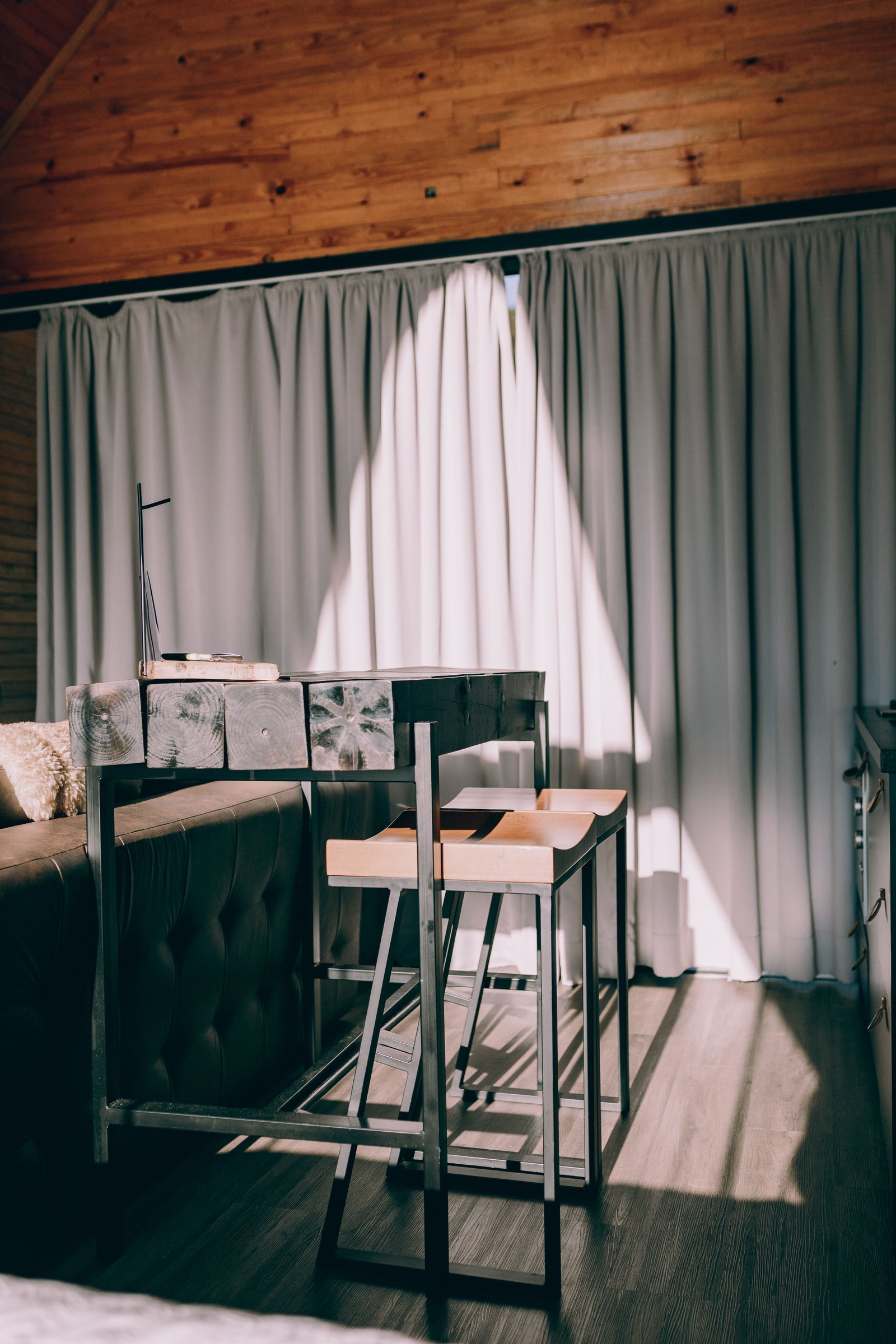
Curtains are one of the most visible textile elements in a room. Linen or cotton fabrics can filter daylight and soften the edges of a window.
Choose the weight according to privacy and light control. A light fabric may be enough in a living room, while a bedroom may require a layered solution with a more opaque curtain or blind.
Measure carefully before buying. Curtain length and fullness affect the finished look. A fabric that is too narrow can appear weak even if the material itself is attractive.
Mix Natural Textiles With Wood, Stone, and Ceramics
Natural fabrics combine especially well with other materials that have visible texture. Wood adds warmth, stone contributes weight and permanence, and ceramics introduce smooth or handcrafted surfaces.
Use repetition to connect these materials. A jute rug can relate to a woven basket, while linen curtains can echo the soft texture of a ceramic lamp or wooden furniture.
The objective is not to create a themed room but to build a consistent material palette. A few repeated textures usually feel more sophisticated than many unrelated natural-looking objects.
Care for Natural Fabrics Correctly
Always follow the care label. Cotton, linen, wool, and jute can respond differently to water, temperature, detergent, and drying.
Some fabrics may shrink if washed too hot, while wool can felt if treated incorrectly. Jute and similar fibers may be damaged by excessive moisture.
Vacuum rugs regularly using a method suitable for the fiber. Rotate rugs periodically when appropriate to help distribute wear and sunlight exposure more evenly.

Address spills promptly, but do not scrub aggressively without knowing the correct method. Blotting and using a compatible cleaning approach is often safer.
Create a Cohesive Palette
Natural textiles work well in both neutral and colorful interiors. The key is repetition. Choose a limited number of main colors and repeat them across cushions, curtains, rugs, and bedding.
Use texture to create variation within that palette. Two fabrics can be the same color but look different because one is smooth and another is heavily woven.
If the room already contains strong furniture or wall colors, let the textiles support them instead of competing. A calm base can make more distinctive materials stand out.
Use Natural Textiles Seasonally
Textiles are easy to rotate according to weather and mood. Lighter cotton or linen fabrics can feel comfortable during warm months, while heavier wool or thick woven throws can add warmth in cooler seasons.
Store off-season items clean and completely dry. Breathable storage and protection from moisture can help preserve them.
Seasonal rotation also allows you to refresh the room without buying new furniture. Changing a throw, cushion cover, or table runner can be enough to create a noticeable difference.
Common Mistakes to Avoid
One mistake is assuming that every natural fiber is automatically durable or easy to clean. Performance varies widely, so check the material and care instructions.
Another mistake is using too many rough textures together. Balance is important, especially in small rooms where every material is visually prominent.
Avoid purchasing a large textile item before measuring. Rugs and curtains strongly affect proportion, so the wrong size can make a room feel awkward even if the material is beautiful.
Finally, do not choose textiles only for appearance. Comfort, cleaning, durability, and climate all influence whether they will work well in everyday life.
Frequently Asked Questions
Which natural textile is easiest to use at home?
Cotton is widely used because it is versatile, but the best choice depends on the item, required durability, and care instructions.
Do natural textiles only work with rustic decoration?
No. Linen, cotton, wool, jute, and other natural fibers can work in modern, minimalist, traditional, or eclectic interiors depending on color, weave, and styling.
Can I mix different natural fibers?
Yes. Mixing several fibers can create depth, especially when the colors and scale are coordinated.
Are natural textiles difficult to maintain?
Not necessarily. Maintenance varies by fiber. Following the care label and choosing materials appropriate for the room makes upkeep much easier.
Shop More Thoughtfully
Before buying new textiles, compare them with what you already own. A room may need only one new element rather than a complete set. Reusing and relocating cushions, throws, or curtains can reduce spending and prevent visual overload.
Check dimensions, fiber composition, washing instructions, and color under the actual room lighting before making a large purchase. Practical information is just as important as appearance.
Shop More Thoughtfully
Before buying new textiles, compare them with what you already own. A room may need only one new element rather than a complete set. Reusing and relocating cushions, throws, or curtains can reduce spending and prevent visual overload.
Check dimensions, fiber composition, washing instructions, and color under the actual room lighting before making a large purchase. Practical information is just as important as appearance.
Shop More Thoughtfully
Before buying new textiles, compare them with what you already own. A room may need only one new element rather than a complete set. Reusing and relocating cushions, throws, or curtains can reduce spending and prevent visual overload.
Check dimensions, fiber composition, washing instructions, and color under the actual room lighting before making a large purchase. Practical information is just as important as appearance.
Shop More Thoughtfully
Before buying new textiles, compare them with what you already own. A room may need only one new element rather than a complete set. Reusing and relocating cushions, throws, or curtains can reduce spending and prevent visual overload.
Check dimensions, fiber composition, washing instructions, and color under the actual room lighting before making a large purchase. Practical information is just as important as appearance.
Shop More Thoughtfully
Before buying new textiles, compare them with what you already own. A room may need only one new element rather than a complete set. Reusing and relocating cushions, throws, or curtains can reduce spending and prevent visual overload.
Check dimensions, fiber composition, washing instructions, and color under the actual room lighting before making a large purchase. Practical information is just as important as appearance.
Shop More Thoughtfully
Before buying new textiles, compare them with what you already own. A room may need only one new element rather than a complete set. Reusing and relocating cushions, throws, or curtains can reduce spending and prevent visual overload.
Check dimensions, fiber composition, washing instructions, and color under the actual room lighting before making a large purchase. Practical information is just as important as appearance.
Shop More Thoughtfully
Before buying new textiles, compare them with what you already own. A room may need only one new element rather than a complete set. Reusing and relocating cushions, throws, or curtains can reduce spending and prevent visual overload.
Check dimensions, fiber composition, washing instructions, and color under the actual room lighting before making a large purchase. Practical information is just as important as appearance.
Shop More Thoughtfully
Before buying new textiles, compare them with what you already own. A room may need only one new element rather than a complete set. Reusing and relocating cushions, throws, or curtains can reduce spending and prevent visual overload.
Check dimensions, fiber composition, washing instructions, and color under the actual room lighting before making a large purchase. Practical information is just as important as appearance.
Conclusion
Decorating with natural textiles is an effective way to add warmth, texture, and comfort to a home. Cotton, linen, wool, jute, hemp, and other fibers can appear through curtains, rugs, bedding, cushions, and table textiles.
The best results come from choosing each material according to use, care, and climate, then repeating a limited palette of colors and textures. Natural textiles do not need to dominate the room. A few well-chosen pieces can make the entire home feel softer, more layered, and more personal.