
In This Article
- Introduction
- Define What the Entryway Needs to Do
- Create a Strong First Impression With Color
- Choose Furniture That Fits the Space
- Use Mirrors and Lighting Strategically
- Add Storage Without Losing Personality
- Decorate the Walls With Intention
- Use Rugs and Textiles to Add Warmth
- Include Plants or Natural Elements
- Display Personal Objects Without Creating Clutter
- Keep Everyday Items Organized
- Adapt the Entryway to Small Spaces
- Make the Entryway Connect With the Rest of the Home
- Common Mistakes to Avoid
- Frequently Asked Questions
- Adjust the Entryway as Routines Change
- Adjust the Entryway as Routines Change
- Adjust the Entryway as Routines Change
- Adjust the Entryway as Routines Change
- Adjust the Entryway as Routines Change
- Adjust the Entryway as Routines Change
- Adjust the Entryway as Routines Change
- Adjust the Entryway as Routines Change
- Adjust the Entryway as Routines Change
- Adjust the Entryway as Routines Change
- Conclusion
Introduction
The entryway is the transition between the outside world and the rest of the home. Even when it is small, it can communicate personality while remaining practical. The best design combines a clear place for everyday essentials with lighting, color, art, texture, and personal details that introduce the character of the home.
Before decorating, observe what actually happens when people enter. Do you need somewhere for keys, shoes, bags, umbrellas, coats, or mail? Solving these practical needs first prevents decorative objects from competing with daily life.
Define What the Entryway Needs to Do
List the items that regularly arrive through the front door. A household that removes shoes at the entrance needs a different setup from one that mainly needs a place for keys and bags.
Prioritize the most frequent actions. A small tray for keys, two wall hooks, and a narrow shoe cabinet may be more useful than a large decorative console.
Keep circulation clear. The entrance should not require people to move furniture or step around baskets every time the door opens.
Create a Strong First Impression With Color
Color can give the entryway identity even when there is little room for furniture. A painted wall, colorful artwork, or a repeated accent color can establish the mood immediately.
Consider how the entryway connects to adjacent rooms. It can have its own character while still relating to the home's broader palette.
In a dark entrance, lighter surfaces may help reflect available light. However, deeper colors can also create a deliberate, dramatic effect when supported by good artificial lighting.
Choose Furniture That Fits the Space
Measure the entryway before buying furniture. A console should leave enough passage space and should not interfere with the front door, closet, or nearby rooms.
In narrow spaces, shallow furniture is often more practical. A wall-mounted shelf can provide a landing place for keys without taking as much floor area as a traditional console.
If seating is necessary for putting on shoes, consider a compact bench or stool that can fit beneath another piece when not in use.
Furniture with closed storage can hide visual clutter, while open furniture may make a small entrance feel lighter. Choose according to the volume of items you actually need to store.
Use Mirrors and Lighting Strategically
A mirror is useful near the entrance for a final check before leaving, and it can also reflect light. Position it where the reflection is pleasant and where it does not create awkward glare.
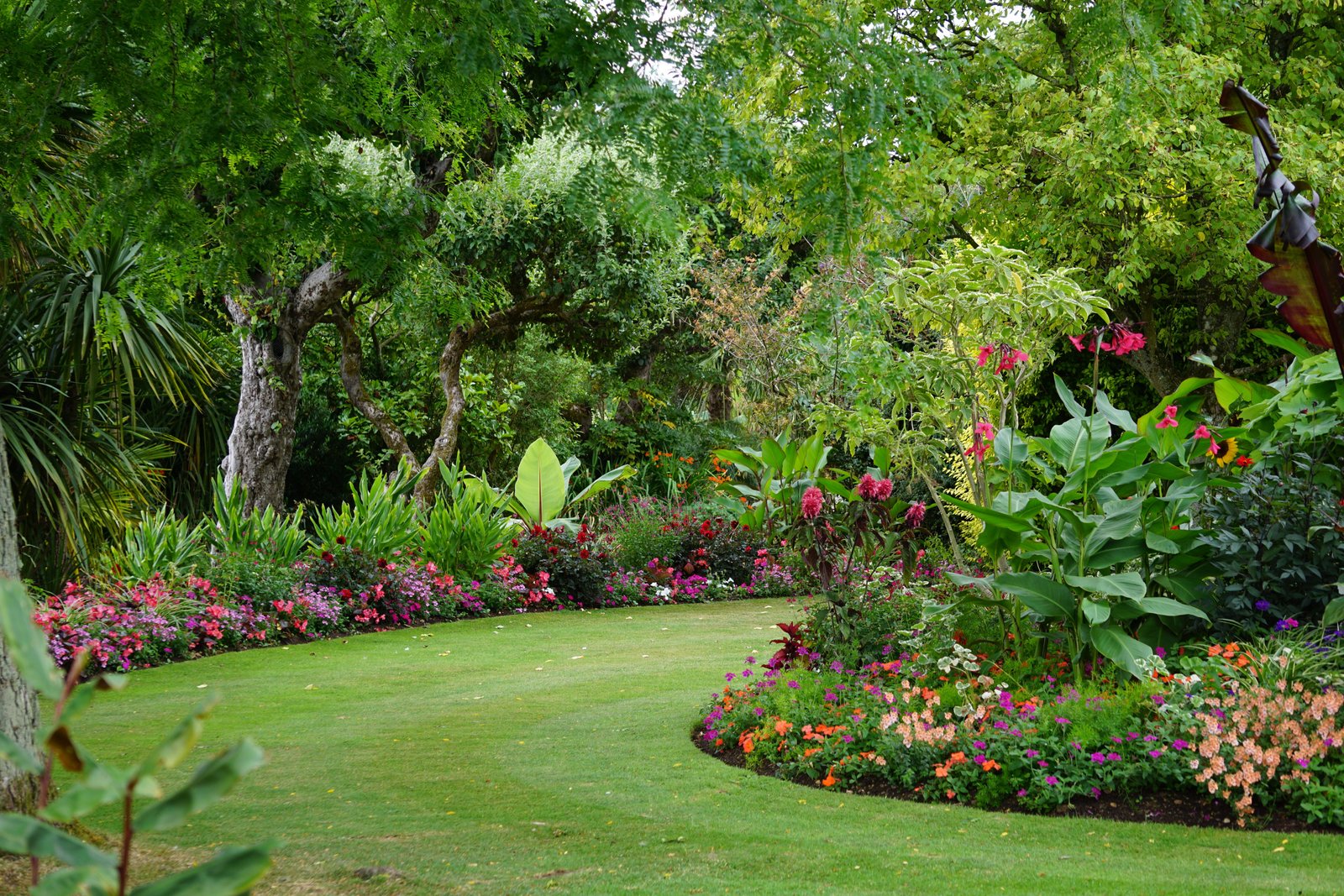
Lighting should make the entrance safe and welcoming. If the ceiling light feels harsh, add a small table lamp or wall fixture where practical.
Choose brightness that allows people to find keys, read labels, and see the floor clearly. Decorative atmosphere should not reduce basic visibility.
Add Storage Without Losing Personality
Storage can be decorative when its materials and proportions fit the room. Baskets, trays, hooks, and cabinets can reinforce the style while keeping objects controlled.
Use a tray for keys and small daily items. Assign hooks rather than allowing coats and bags to accumulate on furniture.
Closed storage is useful for shoes, cleaning supplies, or items that create visual noise. Avoid using the entryway as overflow storage for belongings that rarely leave the house.
Decorate the Walls With Intention
Artwork can introduce personality without consuming floor space. One large piece, a small gallery, or a meaningful photograph can make the entrance feel considered.
Scale the art to the wall and nearby furniture. Tiny pieces on a large wall may look disconnected, while an oversized arrangement can overwhelm a narrow corridor.
If you use a gallery wall, connect the pieces through frame color, subject, spacing, or another repeated element. This creates variety without visual chaos.
Use Rugs and Textiles to Add Warmth
A runner or small rug can define the entrance and introduce color or texture. Choose a durable material appropriate for dirt, moisture, and frequent foot traffic.
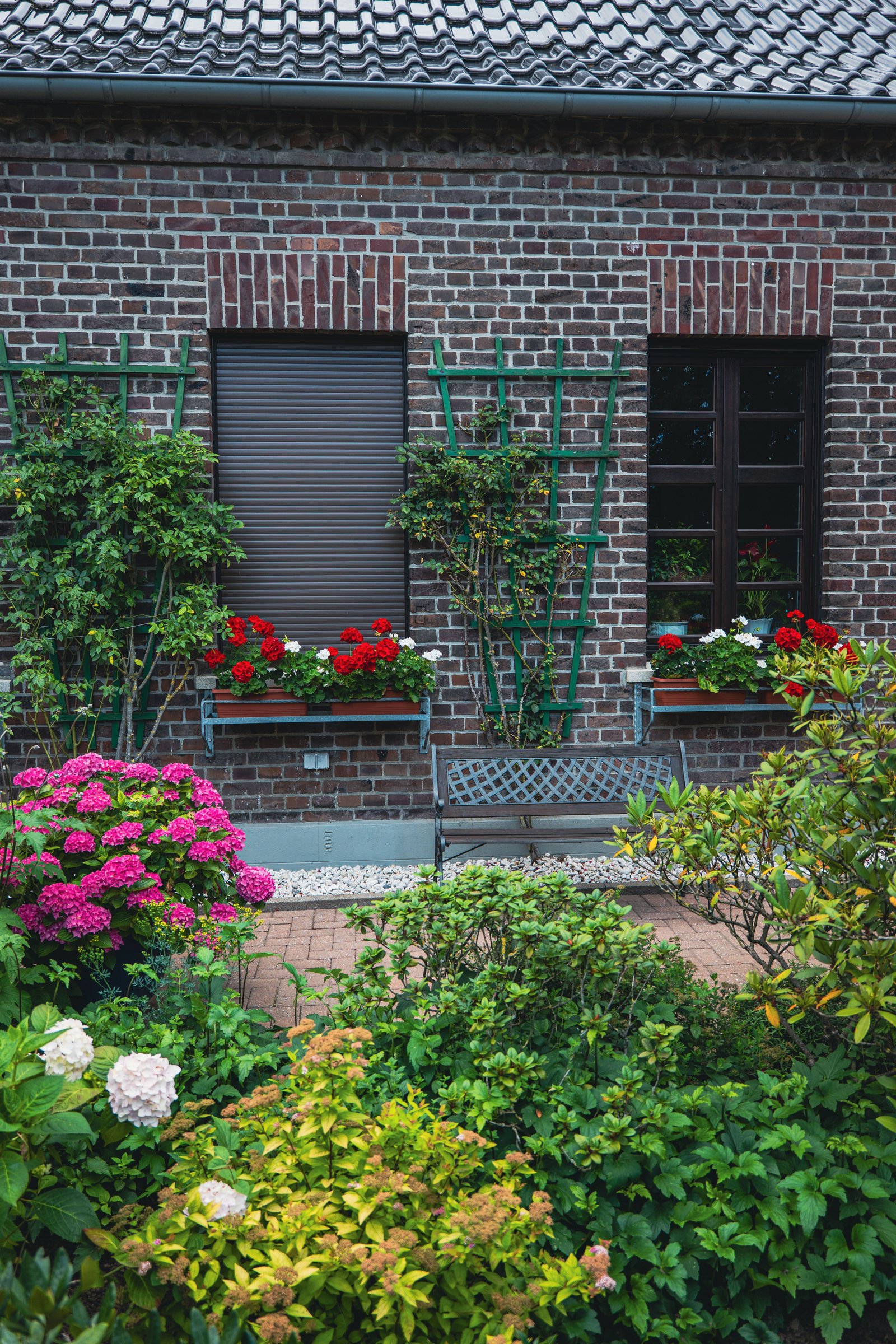
Make sure the rug does not interfere with the door. Use suitable non-slip protection when needed and keep edges flat to reduce tripping hazards.
In wet climates, prioritize easy cleaning and drying. A beautiful but delicate rug can become impractical in an area exposed to outdoor dirt.
Include Plants or Natural Elements
A plant can add life to the entryway if there is enough suitable light. Choose the species based on actual conditions rather than appearance alone.
If natural light is insufficient, consider branches, dried arrangements, wood, stone, or botanical artwork instead. Natural character does not require placing a living plant in an unsuitable location.
Keep planters stable and protect furniture and floors from drainage water.
Display Personal Objects Without Creating Clutter
A small object from a trip, a family photograph, handmade ceramic piece, or inherited item can make the entrance feel unique. Select only a few pieces so each one remains visible.
Group small items rather than scattering them across the console. A tray or stack of books can create structure and make cleaning easier.
Rotate objects occasionally. The entrance can change through the seasons without requiring new purchases.
Keep Everyday Items Organized
The entryway will only remain attractive if its organization is easy to maintain. Give frequently used items a permanent location close to the door.
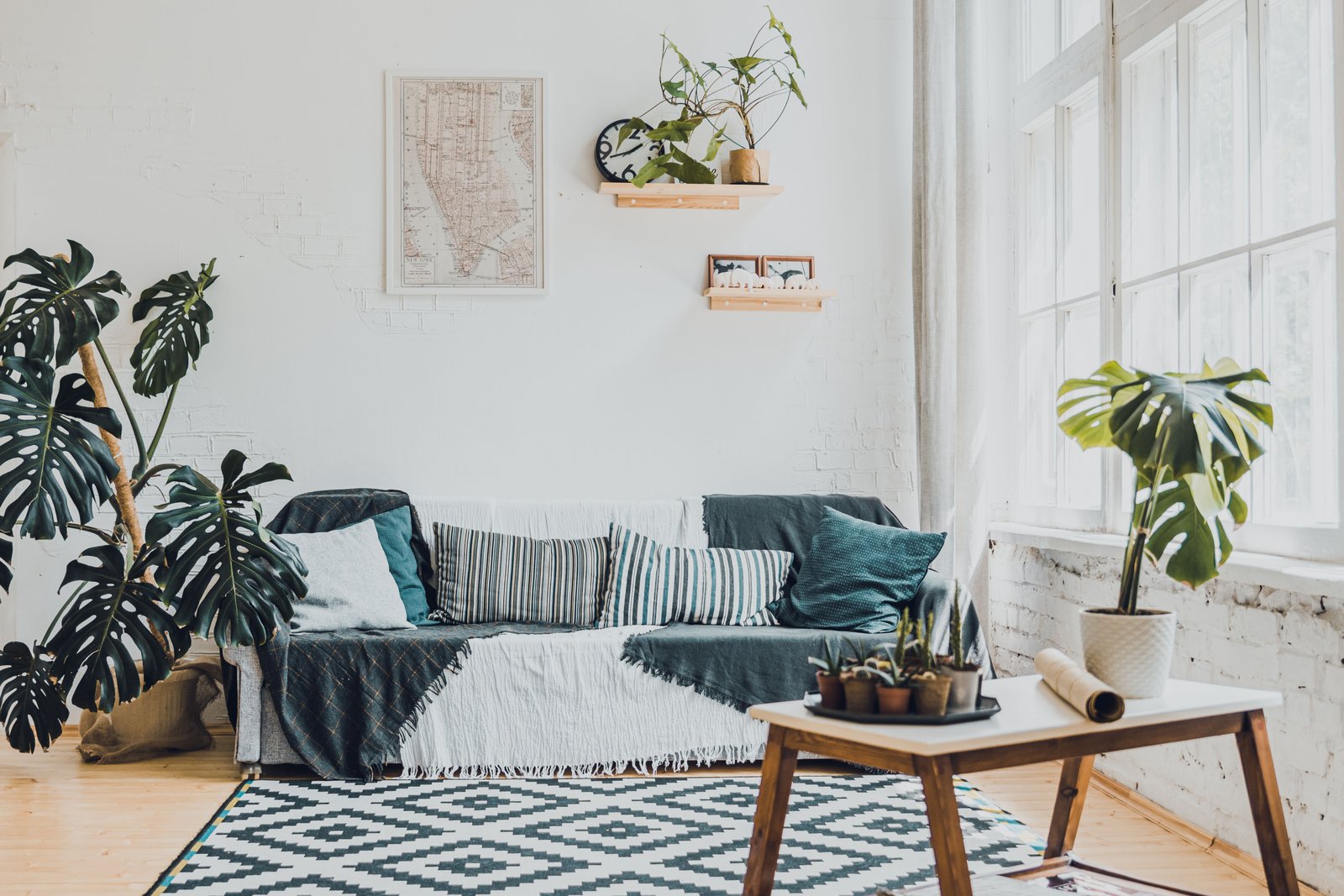
Sort mail promptly rather than allowing paper to accumulate. Return shoes, bags, and coats to their designated places at the end of the day.
A five-minute weekly reset can prevent the entrance from becoming a storage zone. Wipe surfaces, remove unnecessary items, and check the floor and rug.
Adapt the Entryway to Small Spaces
Very small entrances benefit from wall-mounted solutions. Hooks, a narrow shelf, a mirror, and a compact light may provide everything necessary without a full piece of furniture.
Use vertical space but do not cover every wall. Leaving some empty area keeps the entrance from feeling compressed.
If the front door opens directly into the living room, create a visual entry zone with a rug, narrow console, lighting, or wall color rather than building a physical divider that reduces space.
Make the Entryway Connect With the Rest of the Home
The entrance should introduce the home's character rather than feel like an unrelated room. Repeat a material, color, or shape that appears elsewhere.
For example, a wooden frame can relate to dining furniture, or a black metal lamp can echo hardware used in the kitchen. These small connections create continuity.
Do not copy every element from another room. The entryway can remain distinctive while sharing a few visual cues.
Common Mistakes to Avoid
Oversized furniture is a frequent problem. Measure passage width and door movement before buying anything.
Another mistake is prioritizing decoration while ignoring storage. Keys, shoes, and bags will eventually occupy decorative surfaces if they do not have designated places.
Avoid too many small objects. They create visual noise and make cleaning more difficult.
Finally, do not neglect lighting. A beautifully decorated entrance can still feel unwelcoming if it is too dark or the light is harsh and poorly positioned.
Frequently Asked Questions
How can I decorate an entryway with almost no space?
Use the walls: a mirror, hooks, narrow shelf, artwork, and compact lighting can add function and personality without consuming much floor area.
What should I keep near the front door?
Only items used frequently when leaving or entering, such as keys, essential bags, coats, shoes, or umbrellas, depending on your routine.
How can I make a dark entryway feel more welcoming?
Improve artificial lighting, use reflective or lighter surfaces where appropriate, and place a mirror so it reflects useful light rather than a dark corner.
Can the entryway have a different style from the rest of the house?
Yes, but repeating one or two colors, materials, or shapes from nearby rooms can make the transition feel more intentional.
Adjust the Entryway as Routines Change
Household routines change over time, so the entrance should be reviewed occasionally. A new work bag, children's school items, or seasonal clothing may require a different arrangement.
Instead of adding storage every time something changes, first remove items that are no longer used regularly. This keeps the entryway flexible and prevents gradual overcrowding.
Adjust the Entryway as Routines Change
Household routines change over time, so the entrance should be reviewed occasionally. A new work bag, children's school items, or seasonal clothing may require a different arrangement.
Instead of adding storage every time something changes, first remove items that are no longer used regularly. This keeps the entryway flexible and prevents gradual overcrowding.
Adjust the Entryway as Routines Change
Household routines change over time, so the entrance should be reviewed occasionally. A new work bag, children's school items, or seasonal clothing may require a different arrangement.
Instead of adding storage every time something changes, first remove items that are no longer used regularly. This keeps the entryway flexible and prevents gradual overcrowding.
Adjust the Entryway as Routines Change
Household routines change over time, so the entrance should be reviewed occasionally. A new work bag, children's school items, or seasonal clothing may require a different arrangement.
Instead of adding storage every time something changes, first remove items that are no longer used regularly. This keeps the entryway flexible and prevents gradual overcrowding.
Adjust the Entryway as Routines Change
Household routines change over time, so the entrance should be reviewed occasionally. A new work bag, children's school items, or seasonal clothing may require a different arrangement.
Instead of adding storage every time something changes, first remove items that are no longer used regularly. This keeps the entryway flexible and prevents gradual overcrowding.
Adjust the Entryway as Routines Change
Household routines change over time, so the entrance should be reviewed occasionally. A new work bag, children's school items, or seasonal clothing may require a different arrangement.
Instead of adding storage every time something changes, first remove items that are no longer used regularly. This keeps the entryway flexible and prevents gradual overcrowding.
Adjust the Entryway as Routines Change
Household routines change over time, so the entrance should be reviewed occasionally. A new work bag, children's school items, or seasonal clothing may require a different arrangement.
Instead of adding storage every time something changes, first remove items that are no longer used regularly. This keeps the entryway flexible and prevents gradual overcrowding.
Adjust the Entryway as Routines Change
Household routines change over time, so the entrance should be reviewed occasionally. A new work bag, children's school items, or seasonal clothing may require a different arrangement.
Instead of adding storage every time something changes, first remove items that are no longer used regularly. This keeps the entryway flexible and prevents gradual overcrowding.
Adjust the Entryway as Routines Change
Household routines change over time, so the entrance should be reviewed occasionally. A new work bag, children's school items, or seasonal clothing may require a different arrangement.
Instead of adding storage every time something changes, first remove items that are no longer used regularly. This keeps the entryway flexible and prevents gradual overcrowding.
Adjust the Entryway as Routines Change
Household routines change over time, so the entrance should be reviewed occasionally. A new work bag, children's school items, or seasonal clothing may require a different arrangement.
Instead of adding storage every time something changes, first remove items that are no longer used regularly. This keeps the entryway flexible and prevents gradual overcrowding.
Conclusion
An entryway with personality is not simply a decorated passage. It is a functional transition zone that introduces the style and habits of the household. Start with the practical needs, preserve circulation, and then add color, lighting, art, texture, plants, and meaningful objects.
Restraint is especially important in small entrances. A few well-chosen details combined with reliable storage can create a stronger impression than many decorative objects. When function and personality support each other, the entryway becomes both welcoming and easy to maintain.