In This Article
- Introduction
- Define the Main Use
- Measure and Protect Circulation
- Choose Outdoor Furniture in the Right Scale
- Create Shade and Weather Protection
- Select Plants for the Real Conditions
- Use Vertical Space Carefully
- Add Safe Outdoor Lighting
- Choose Textiles and Decorative Details
- Keep Storage Under Control
- Plan for Maintenance
- Common Mistakes to Avoid
- Frequently Asked Questions
- Make the Most of Corners
- Make the Most of Corners
- Make the Most of Corners
- Make the Most of Corners
- Make the Most of Corners
- Make the Most of Corners
- Make the Most of Corners
- Make the Most of Corners
- Make the Most of Corners
- Make the Most of Corners
- Conclusion
Introduction
A small terrace can become a comfortable place to rest, eat, read, grow plants, or simply spend time outdoors when its layout responds to the real dimensions and conditions of the space. The key is to preserve circulation while choosing furniture, plants, lighting, and accessories that can tolerate the environment.
Before buying anything, observe sun, shade, wind, rain, drainage, doors, railings, and the way people move through the terrace. These factors determine which solutions will remain useful after the first decorative impression has passed.
Define the Main Use
Decide what the terrace needs to do most often. A dining area requires a table and enough room to move chairs, while a relaxation area may work better with a bench or two compact seats. A plant-focused terrace needs easy access for watering and maintenance.
Trying to reproduce a complete living room, dining room, and garden in a few square meters usually creates congestion. Prioritize one main function and allow secondary activities to remain flexible.
Consider how many people normally use the terrace. Designing permanently for rare large gatherings can make everyday use less comfortable.
Measure and Protect Circulation
Measure the entire terrace and mark the swing of doors, drains, railings, outlets, and main routes. Use painter's tape to represent furniture dimensions before purchasing.
Leave enough space to pull out a chair and walk behind it. Furniture that looks acceptable on a product page can feel much larger once placed in a narrow outdoor area.
Never block drains with rugs, planters, or storage boxes. Water needs a clear path, and any existing slope or drainage system should remain functional.
Choose Outdoor Furniture in the Right Scale
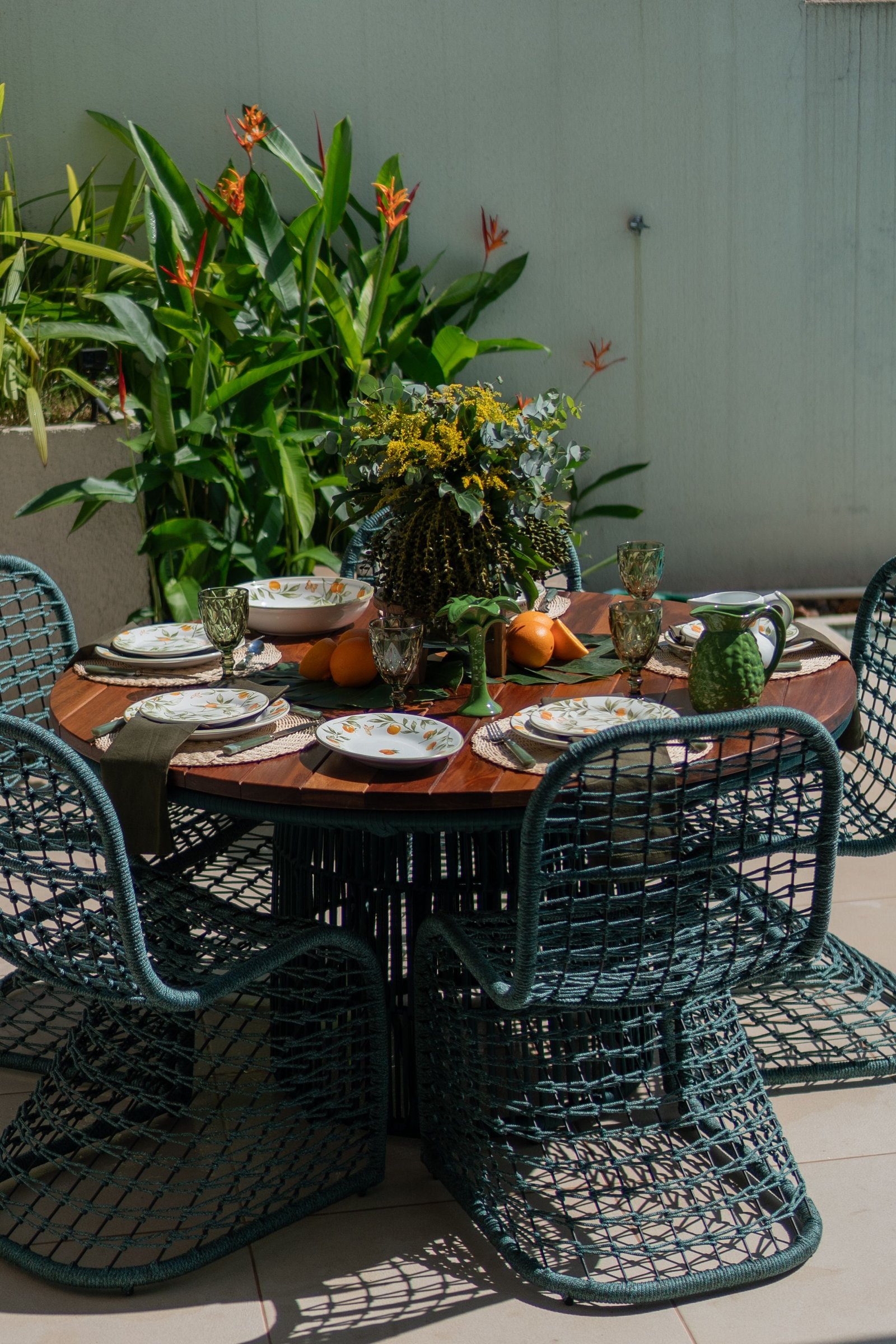
Outdoor furniture should be selected for both dimensions and durability. Wood, metal, and synthetic materials have different maintenance requirements, so consider the climate and how much care you are prepared to provide.
Round tables can make circulation easier in some layouts, while narrow rectangular tables can use a long wall efficiently. A bench against a wall may provide more seating without adding several chair legs to the floor plan.
Folding or stackable furniture can be useful when the terrace needs to change configuration. Choose mechanisms that are simple enough to use regularly and store the pieces securely when not needed.
Before purchasing, check manufacturer guidance for outdoor exposure. Furniture intended only for covered spaces may deteriorate quickly when left in rain or intense sun.
Create Shade and Weather Protection
Observe the terrace at different times of day. Afternoon sun can make an otherwise attractive seating area uncomfortable, while a shaded terrace may need different materials and plants.
Use umbrellas, awnings, or other shade solutions only when they can be installed and secured appropriately. Wind loads matter, particularly on upper floors and exposed terraces.
Do not improvise heavy structures or attach elements to railings without confirming that the installation is permitted and safe. Building or condominium rules may also apply.
Select Plants for the Real Conditions
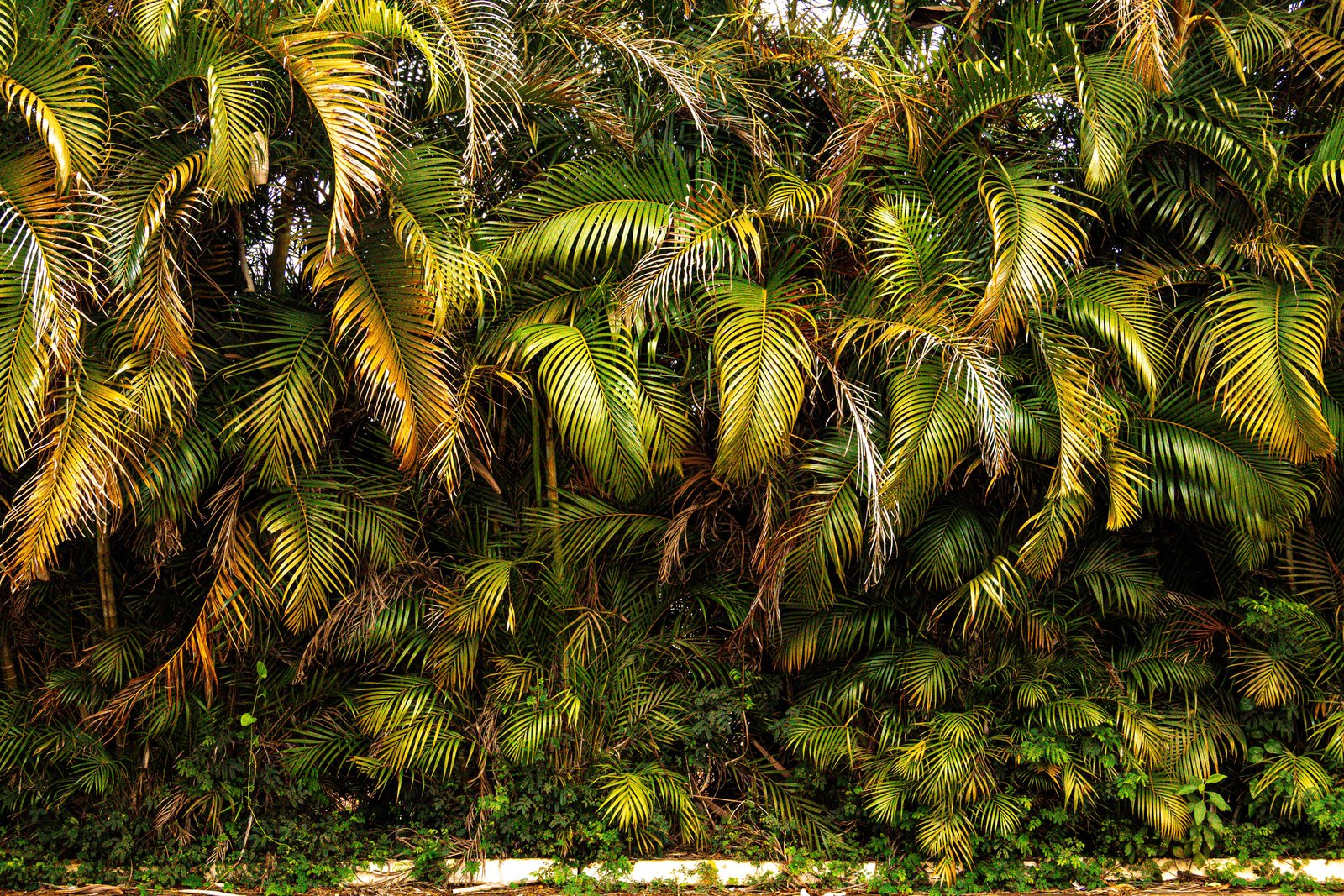
Choose plants according to hours of direct sun, wind exposure, temperature, and local climate rather than appearance alone. A plant suited to the conditions is easier to maintain and more likely to remain healthy.
Containers need adequate volume for roots and reliable drainage. Very small pots dry quickly and can require frequent watering during hot weather.
Group plants with similar water and light needs. This simplifies care and reduces the risk of overwatering one species while trying to satisfy another.
One or two larger plants can create a stronger focal point than many tiny pots scattered across the floor. Keep mature plant size in mind before placing containers near paths or seating.
Use Vertical Space Carefully
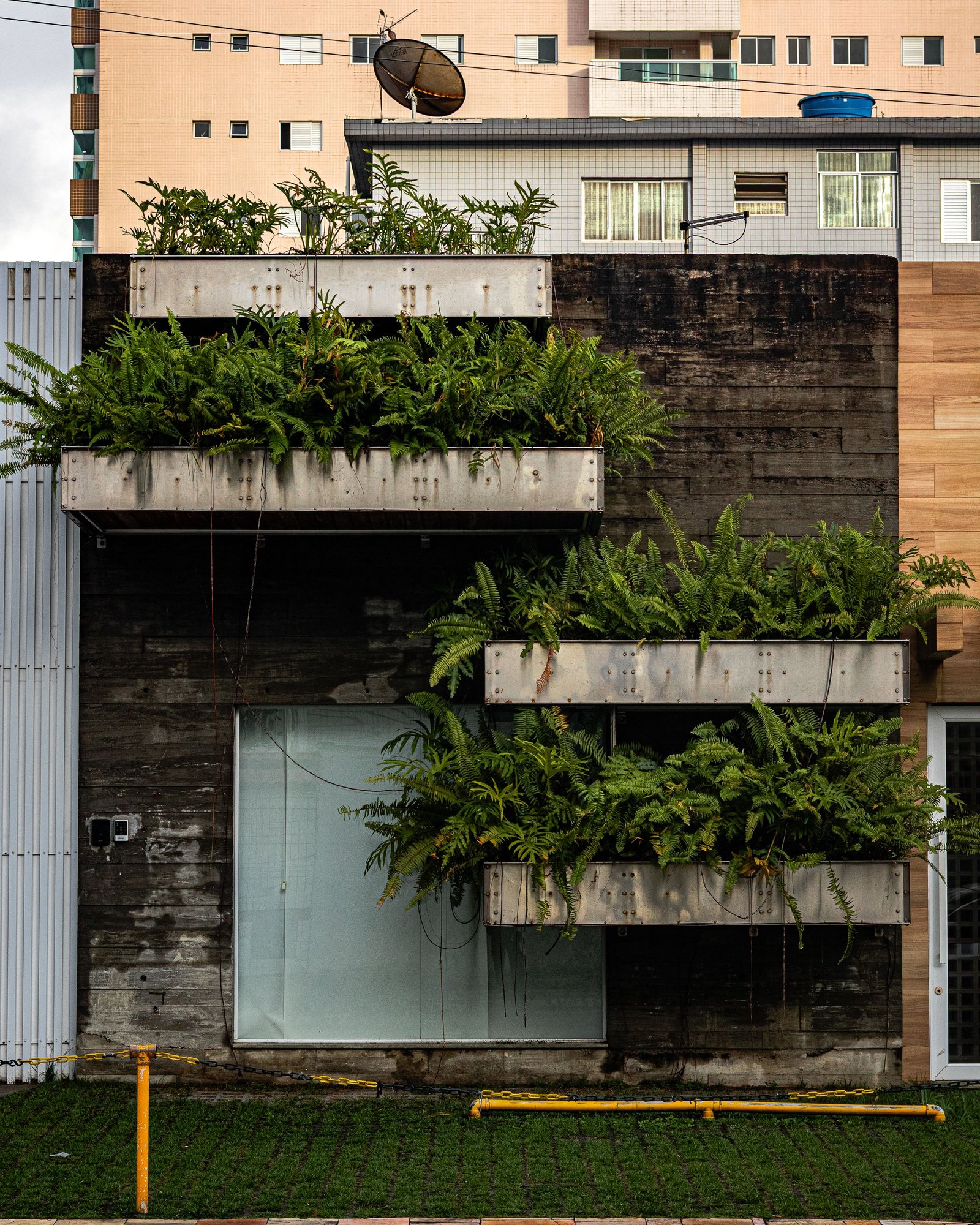
Wall-mounted planters, stable plant stands, and outdoor shelving can add greenery without occupying as much floor area. Use vertical solutions selectively so the terrace does not become visually crowded.
Check load capacity and fixing methods before installing anything on a wall. Wet soil and containers can be considerably heavier than they appear when dry.
Avoid placing unsecured pots on railings or high ledges. Wind and accidental contact can turn decorative objects into serious hazards.
Add Safe Outdoor Lighting
Several soft light sources can create a more comfortable atmosphere than one harsh fixture. Lighting can also improve safety around steps, doors, and changes in level.
Electrical fixtures, plugs, and connections used outdoors must be appropriate for the location and protected from weather as required. Do not use indoor electrical equipment in exposed areas.
Solar lights can be convenient in suitable sunny locations, but their performance depends on exposure and product quality. Use them where they provide useful light rather than as the only source for important routes.
Choose Textiles and Decorative Details
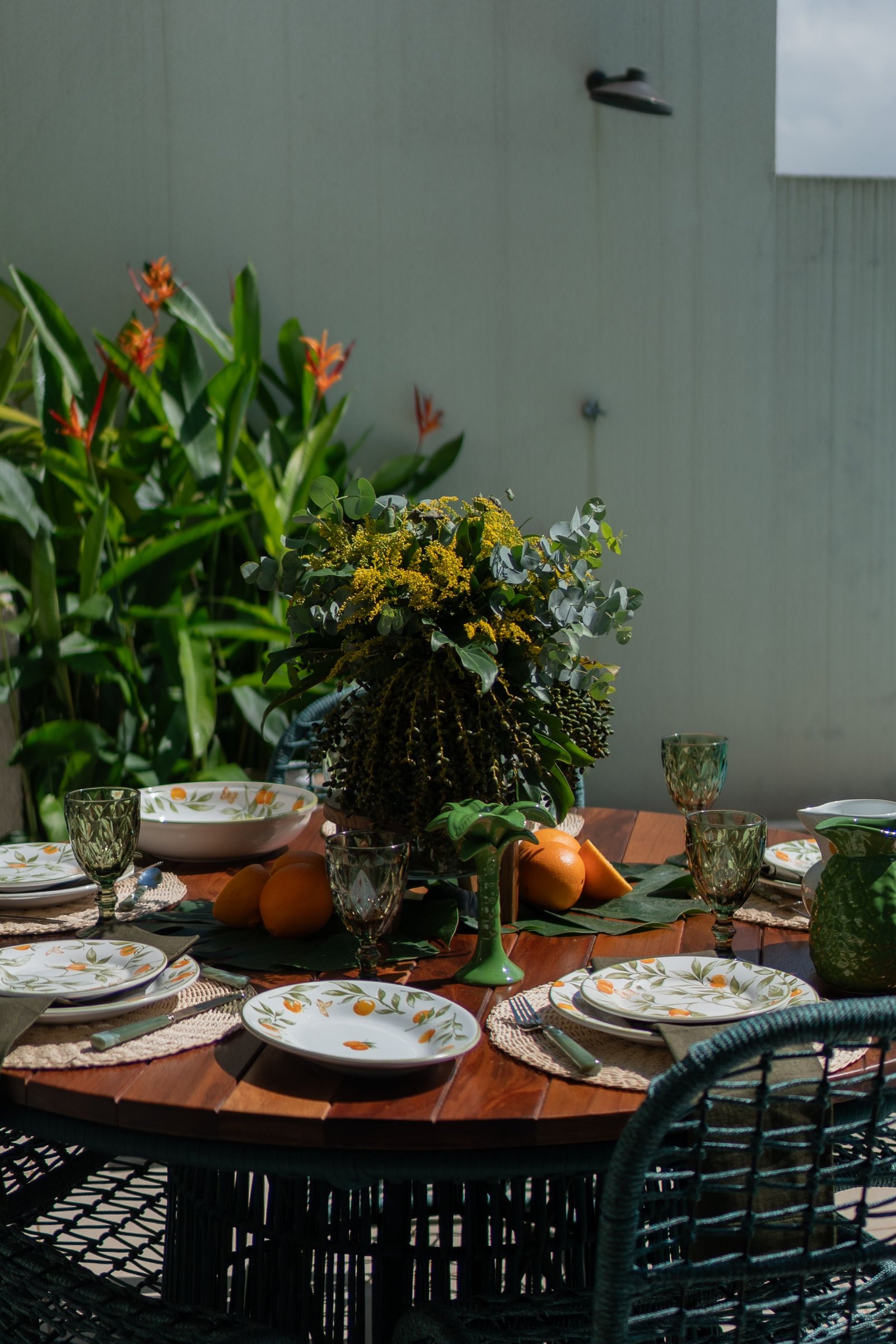
Outdoor cushions, rugs, and small accessories can introduce color and comfort. Select materials designed for the expected exposure or items that can be stored easily when weather changes.
A rug should not cover drainage or remain permanently wet. Choose a size that supports the seating arrangement without creating a tripping obstacle.
Keep the decorative palette simple. A few coordinated pieces generally make a small terrace feel more intentional than many unrelated accessories.
Keep Storage Under Control
Store watering cans, tools, spare cushions, and cleaning items when they are not needed. A terrace should not become overflow storage for objects that have no place inside the home.
A weather-resistant storage bench or box can be useful if it does not obstruct circulation or trap moisture. Check ventilation and manufacturer instructions.
Review stored items seasonally and remove anything that is damaged or no longer used. Reducing possessions is often more effective than adding another cabinet.
Plan for Maintenance
Outdoor spaces change with weather and seasons. Clean drains, inspect fasteners, wash surfaces, and check furniture periodically.
Plants may need pruning, repotting, feeding, or seasonal protection. Leave enough access around containers so routine care does not require moving the entire terrace.
Choose materials according to the maintenance you can realistically provide. A beautiful finish that requires constant treatment may not be the best choice for a frequently exposed terrace.
Common Mistakes to Avoid
Avoid buying furniture before measuring, filling every corner with pots, or blocking drainage. These problems reduce comfort and can create maintenance or safety issues.
Do not select plants only from photographs. Light, wind, climate, mature size, and watering requirements should guide the decision.
Do not sacrifice stability for appearance. Furniture, planters, shade structures, and lighting need to remain secure under the conditions of the terrace.
Finally, avoid completing the entire space in one shopping trip. Work in stages and live with the arrangement before adding more.
Frequently Asked Questions
What should I buy first for a small terrace?
Start only after measuring and deciding the main use. The first purchase is usually the furniture or functional element that supports that activity.
How many plants work well on a small terrace?
There is no fixed number. Choose enough to create the desired effect while preserving circulation, maintenance access, and appropriate growing conditions.
Can I use indoor furniture outside?
Only if the manufacturer states that it is suitable for the exposure it will receive. Indoor materials can deteriorate rapidly outdoors.
How can I make the terrace feel cozy at night?
Use appropriately rated outdoor lighting, a restrained selection of textiles, comfortable seating, and a clear arrangement rather than filling the area with decorative objects.
Make the Most of Corners
Corners can hold a single plant, a compact chair, or a small light, but they do not need to be filled automatically. Keeping one corner open can improve circulation and make the terrace feel larger.
When using a corner for plants, make sure leaves will not block doors or paths as they grow. Consider mature dimensions rather than the size of a newly purchased plant.
Make the Most of Corners
Corners can hold a single plant, a compact chair, or a small light, but they do not need to be filled automatically. Keeping one corner open can improve circulation and make the terrace feel larger.
When using a corner for plants, make sure leaves will not block doors or paths as they grow. Consider mature dimensions rather than the size of a newly purchased plant.
Make the Most of Corners
Corners can hold a single plant, a compact chair, or a small light, but they do not need to be filled automatically. Keeping one corner open can improve circulation and make the terrace feel larger.
When using a corner for plants, make sure leaves will not block doors or paths as they grow. Consider mature dimensions rather than the size of a newly purchased plant.
Make the Most of Corners
Corners can hold a single plant, a compact chair, or a small light, but they do not need to be filled automatically. Keeping one corner open can improve circulation and make the terrace feel larger.
When using a corner for plants, make sure leaves will not block doors or paths as they grow. Consider mature dimensions rather than the size of a newly purchased plant.
Make the Most of Corners
Corners can hold a single plant, a compact chair, or a small light, but they do not need to be filled automatically. Keeping one corner open can improve circulation and make the terrace feel larger.
When using a corner for plants, make sure leaves will not block doors or paths as they grow. Consider mature dimensions rather than the size of a newly purchased plant.
Make the Most of Corners
Corners can hold a single plant, a compact chair, or a small light, but they do not need to be filled automatically. Keeping one corner open can improve circulation and make the terrace feel larger.
When using a corner for plants, make sure leaves will not block doors or paths as they grow. Consider mature dimensions rather than the size of a newly purchased plant.
Make the Most of Corners
Corners can hold a single plant, a compact chair, or a small light, but they do not need to be filled automatically. Keeping one corner open can improve circulation and make the terrace feel larger.
When using a corner for plants, make sure leaves will not block doors or paths as they grow. Consider mature dimensions rather than the size of a newly purchased plant.
Make the Most of Corners
Corners can hold a single plant, a compact chair, or a small light, but they do not need to be filled automatically. Keeping one corner open can improve circulation and make the terrace feel larger.
When using a corner for plants, make sure leaves will not block doors or paths as they grow. Consider mature dimensions rather than the size of a newly purchased plant.
Make the Most of Corners
Corners can hold a single plant, a compact chair, or a small light, but they do not need to be filled automatically. Keeping one corner open can improve circulation and make the terrace feel larger.
When using a corner for plants, make sure leaves will not block doors or paths as they grow. Consider mature dimensions rather than the size of a newly purchased plant.
Make the Most of Corners
Corners can hold a single plant, a compact chair, or a small light, but they do not need to be filled automatically. Keeping one corner open can improve circulation and make the terrace feel larger.
When using a corner for plants, make sure leaves will not block doors or paths as they grow. Consider mature dimensions rather than the size of a newly purchased plant.
Conclusion
A small terrace becomes welcoming when every element supports real use. Measure first, preserve drainage and circulation, select weather-appropriate furniture and plants, and add lighting and textiles only after the functional structure works.
Build the space gradually and review it as seasons change. A compact terrace does not need many objects; it needs the right ones, safely placed and easy to maintain.