In This Article
- Introduction
- Pot Size and Root Development
- Drainage: Essential for Most Plants
- Terracotta, Ceramic, Plastic, Metal, and Other Materials
- Choose Pots According to Their Location
- Combine Pots Without Sacrificing Function
- A Practical Method for the Final Decision
- When to Move a Plant to a New Pot
- How the Pot Changes Watering
- Large Pots and Large Plants
- Examples for Different Groups of Plants
- Frequently Asked Questions
- Final Pot Check Before Planting
- Final Pot Check Before Planting
- Conclusion
Introduction
Choosing the right pot for each type of plant requires more than matching a container to the décor. Size, root development, drainage, material, location, weight, watering habits, and the needs of the species all influence whether the plant can grow well.
A good choice starts with the real conditions of the space and the way the container will be used. Before buying, measure the available area, compare materials, review care requirements, and think about how the plant may change over time.
Pot Size and Root Development
Choosing the correct size is one of the first steps toward keeping a plant healthy. A pot that is too small limits the amount of growing medium available and can quickly become crowded with roots. An excessively large pot is not always better because a greater volume of soil can remain wet for longer and make watering harder to control.
Observe the roots, drying rate, and growth. Roots emerging from drainage holes, a very compact root mass, or unusually frequent watering can indicate that repotting is needed. Some species tolerate relatively tight containers, while others develop broader root systems.
Depth matters too. Plants with more vertical roots need deeper containers, while shallow-rooted species can often grow in wider, lower pots. For cacti and succulents, the container should suit the root system without surrounding it with an unnecessarily large mass of damp substrate.
Before repotting, compare the root ball with the new container. Avoid moving a small plant directly into a disproportionately large pot simply to postpone the next repotting. Healthy growth depends on a balance between roots, substrate, air, and water.
Drainage: Essential for Most Plants
Drainage holes allow excess water to leave after watering. Without an outlet, the growing medium can stay saturated for too long and reduce the oxygen available to roots. A decorative container without holes is generally better used as a cachepot around a proper growing pot unless it has a system specifically designed to manage water.
A thick layer of stones at the bottom is not a substitute for drainage holes. What matters is a suitable outlet and an appropriate growing medium. A small piece of mesh can help keep soil from escaping, but it should not block the holes.
Saucers protect floors and furniture, but accumulated water should be emptied. Leaving a pot permanently standing in water can keep the lower root zone excessively wet. Outdoors, check after heavy rain that drainage holes are not blocked by roots, leaves, or soil.
For self-watering containers, follow the manufacturer's instructions. These systems can be useful for certain plants and routines, but they do not remove the need to observe moisture, roots, and environmental conditions.
Terracotta, Ceramic, Plastic, Metal, and Other Materials
Terracotta is porous and allows some moisture exchange through its walls. It can help the growing medium dry faster, which may suit plants sensitive to excess moisture, although it can also mean more frequent watering in warm conditions. Large clay containers can be heavy, and some may be vulnerable to frost.
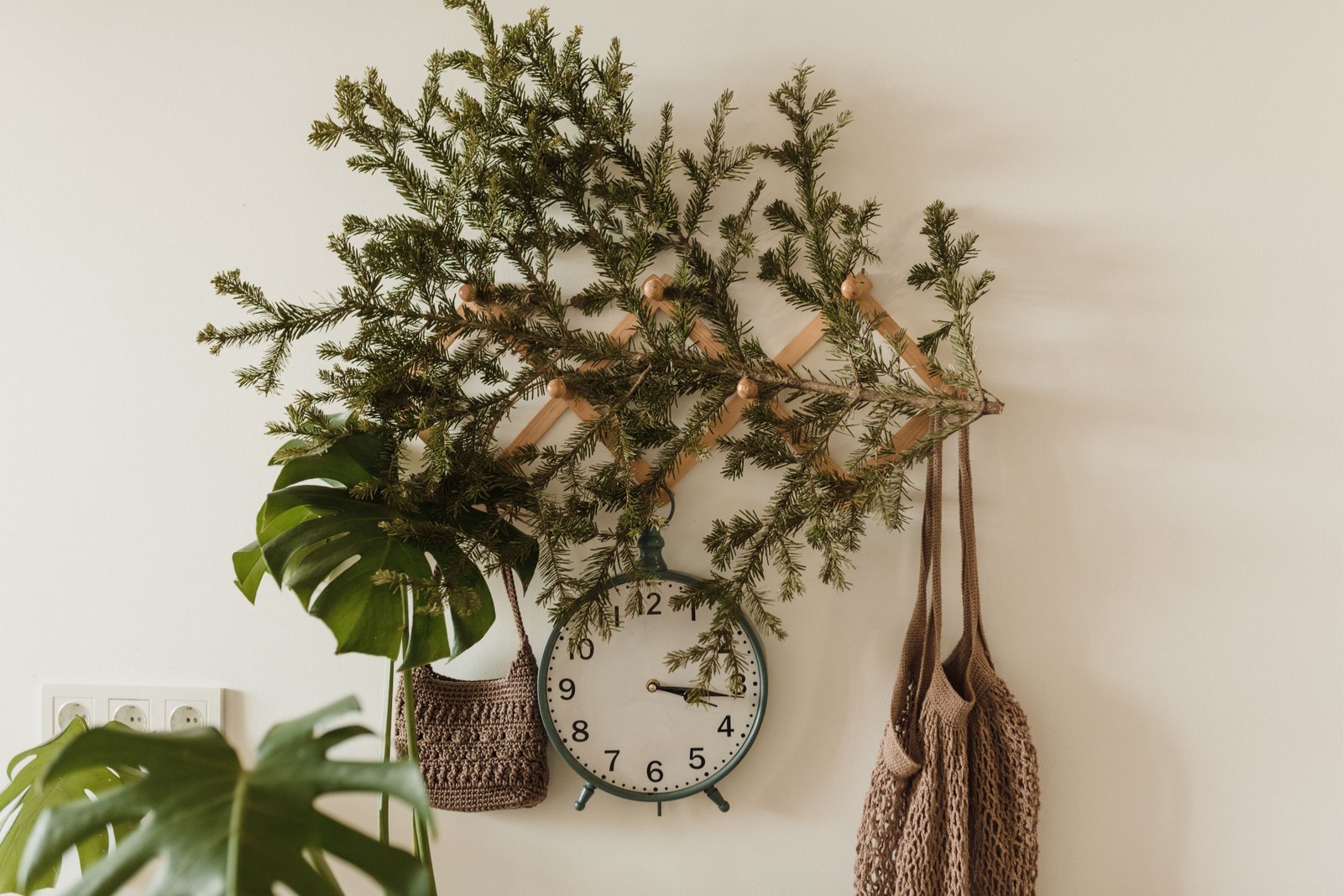
Glazed ceramic offers many decorative options and generally retains moisture longer than unglazed terracotta. Always check for drainage. Plastic is lightweight, economical, and slows moisture loss, making it practical for large plants that need to be moved or for interiors where weight matters.
Metal can create a contemporary look, but it may become very hot in direct sun and transfer temperature extremes to the root zone. Outdoors, corrosion must also be considered. Wood can work for planters when it is suitable for exterior use and moisture is properly managed.
No material is universally superior. Climate, position, weight, watering frequency, appearance, and the needs of the species should all be considered. Two identical plants may need different watering routines if one is in terracotta in the sun and the other is in plastic indoors.
Choose Pots According to Their Location
Indoors, measure the available surface and make sure the container is stable. A tall pot in a narrow passage can be easy to knock over. Protect floors and furniture from moisture, and do not place heavy containers on shelves that are not designed for the load.
On balconies and terraces, consider wind, rain, and sun exposure. Very light pots may need greater stability, while extremely heavy ones are difficult to rearrange. Do not attach planters to railings with improvised supports, and follow building rules.
Available light determines which plant can occupy a position, but it also affects the pot. A dark container in intense sun can become very warm. In bright locations, monitor the temperature of the growing medium and adjust the material, position, or protection when necessary.
Grouping pots can create an attractive composition and simplify care when plants have compatible needs. Vary heights without blocking light from smaller plants, and leave enough access for watering, cleaning, and pest inspection.
Combine Pots Without Sacrificing Function
Decoration works best when the pot supports the plant instead of competing with it. Repeating a material, color family, or shape can create continuity. The containers do not have to be identical if they share a visual connection.
Consider scale. A plant with large leaves may need a container with enough visual presence, while a delicate species often looks better in a more proportional pot. Cachepots allow you to change appearance without changing the growing container, provided excess water can still be removed.
In groups, alternate heights and leave visual breathing room. Many small pots scattered everywhere can look cluttered. Controlled groupings usually make both decoration and maintenance easier.
Always prioritize stability, drainage, and correct size before finish. An attractive pot that makes plant care difficult is not a good long-term choice.
A Practical Method for the Final Decision
Before buying, create three columns: essential needs, preferences, and limits. Put functional requirements in the first, color and style in the second, and budget, measurements, and maintenance in the third. This helps prevent an attractive feature from hiding an essential requirement.
Compare several options using the same criteria. Do not rely only on photographs: review dimensions, composition, instructions, warranty, and intended conditions of use. When possible, inspect the pot physically and consider how it will look with the surrounding materials and light.
Include the cost of maintaining the choice. Cleaning products, treatments, replacement parts, or installation can change the real budget. A sensible option is one you can care for properly without turning maintenance into a burden.
Avoid deciding in a hurry. If you are still choosing between two alternatives, return to the plant's main needs and select the one that better supports everyday care.
When to Move a Plant to a New Pot
Do not repot only because a certain number of months have passed. Look for signs such as densely packed roots, stalled growth during the active season, degraded growing medium, or an unstable relationship between the plant and its container. If the plant is healthy and the system is working, an immediate change may not be necessary.
When repotting, use a growing medium appropriate for the species and handle roots carefully. Afterwards, adjust watering and exposure according to the plant's needs. A new container changes the volume of substrate that holds water, so the old routine may need to change.
How the Pot Changes Watering
The container affects how quickly the growing medium loses water. A small porous pot in direct sun can dry much faster than a large plastic pot in shade. For this reason, watering every plant in the house on an identical schedule is rarely ideal.
After repotting, observe the plant for several weeks. A larger volume of substrate may take longer to dry and require less frequent watering, while a plant moved to brighter light may use water faster. Adjust according to real signs rather than habit.
The weight of a container can become a useful reference as you learn a plant's rhythm: a freshly watered pot is heavier than one whose substrate has lost much of its moisture. This does not replace observation, but it can help reduce automatic watering.
Large Pots and Large Plants
Large plants need stability. A container that is too light may tip if the canopy is tall or exposed to drafts. Consider a broad base and enough weight, while also checking whether the floor or furniture can safely support the total load.
Choose the final location before filling a very large pot. Once substrate and plant are added, moving it can be difficult. Load-rated wheeled bases can help indoors when they are stable and suitable for the flooring.
Do not fill an oversized container with improvised materials merely to reduce the amount of substrate if doing so compromises drainage or stability. If the plant does not need that much growing volume, use a proportional inner pot inside a larger decorative outer container.
Examples for Different Groups of Plants
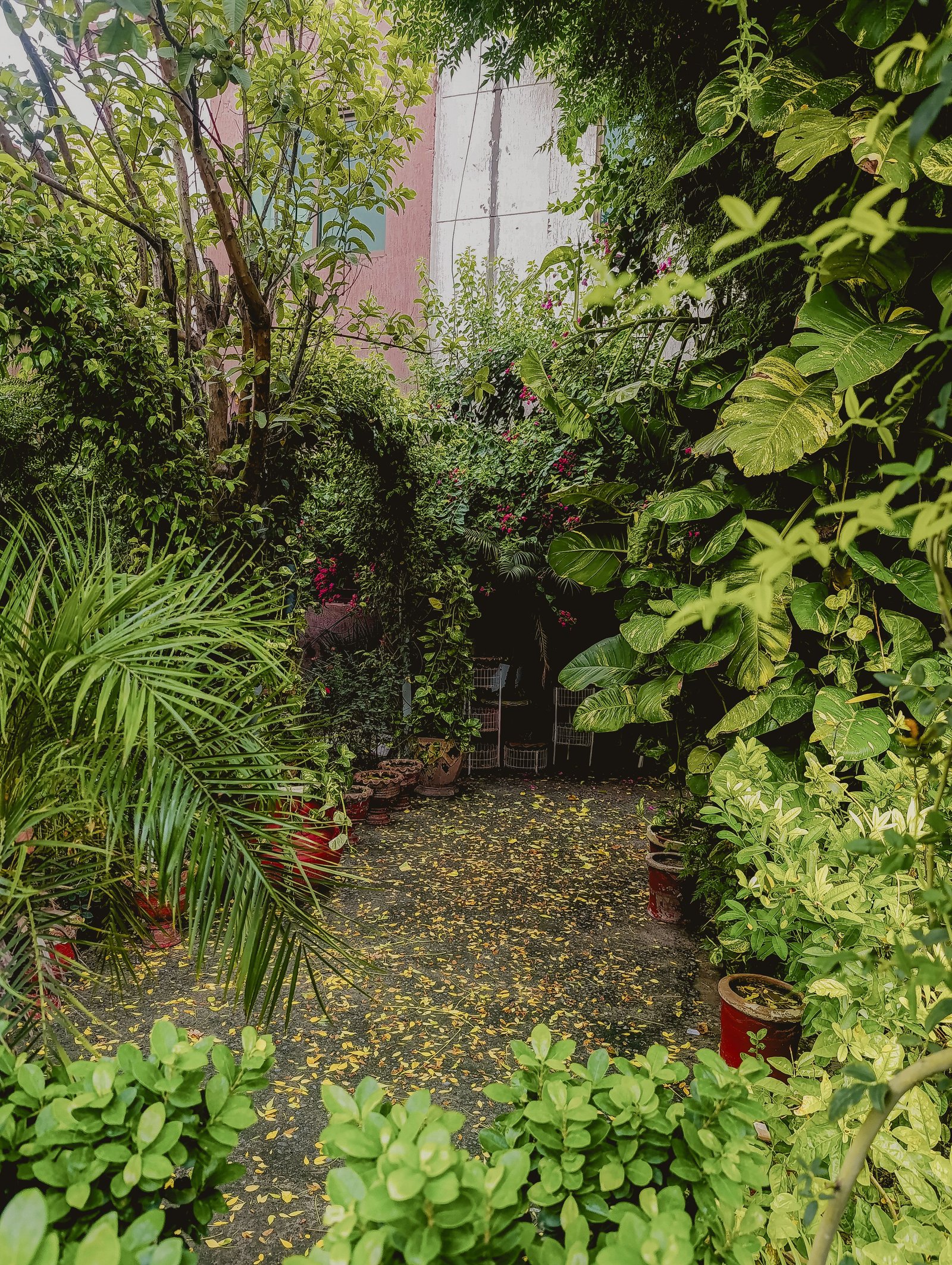
Succulents and many cacti generally benefit from containers that do not keep the growing medium wet for excessive periods. Proportional size, free drainage, and suitable substrate are more important than an enormous pot.
Large-leaved tropical plants can use more water during active growth, and some develop substantial root systems. Even so, repotting should be gradual. Climbing species may also need enough room to install stakes or supports without damaging roots.
Culinary herbs do not all have identical needs. Rosemary and other Mediterranean plants should not automatically be managed like basil or mint. When growing herbs together, make sure their moisture and light requirements are reasonably compatible.
Epiphytic orchids often use specialized containers and growing media that promote aeration. They should not be treated exactly like conventional terrestrial houseplants. Identifying the plant before choosing the pot prevents overly general rules from being applied.
Frequently Asked Questions
What is the best way to start?
Start by identifying the plant, its root and moisture needs, and the real conditions where the pot will be placed. Measure, observe, and compare specifications before buying.
How long does it take to see results?
The choice itself can be made quickly when the requirements are clear, but after repotting it is sensible to observe the plant for several weeks and adjust watering according to the new container.
What mistakes should be avoided?
Common mistakes include choosing only by appearance, using an oversized pot, ignoring drainage, overlooking environmental conditions, and applying the same watering schedule to every container.
Final Pot Check Before Planting
Before adding substrate, inspect the container for cracks, sharp edges, unstable bases, and blocked drainage holes. Confirm that the pot can be moved or safely remain in its intended location after the weight of wet substrate and the plant are added.
Place the empty pot in position and check access for watering and cleaning. If a saucer or cachepot is used, make sure excess water can be removed easily. These small checks help prevent a decorative choice from becoming a maintenance problem.
Final Pot Check Before Planting
Before adding substrate, inspect the container for cracks, sharp edges, unstable bases, and blocked drainage holes. Confirm that the pot can be moved or safely remain in its intended location after the weight of wet substrate and the plant are added.
Place the empty pot in position and check access for watering and cleaning. If a saucer or cachepot is used, make sure excess water can be removed easily. These small checks help prevent a decorative choice from becoming a maintenance problem.
Conclusion
How to Choose the Right Pots for Each Type of Plant becomes easier when function, dimensions, maintenance, safety, and appearance are considered together. Comparing options with concrete criteria helps prevent impulsive purchases and produces a result that fits everyday life more successfully.