
In This Article
- Introduction
- Inspect Plants Regularly
- Keep the Garden Clean Without Making It Sterile
- Water Correctly
- Choose Healthy Plants and Suitable Locations
- Support Biodiversity
- Understand Beneficial Insects
- Manage Weeds and Plant Debris
- Avoid Overcrowding
- Use Barriers and Physical Controls
- Respond Early to Small Problems
- Use Products Responsibly
- Keep Tools and Containers Clean
- Review Seasonal Risk
- Common Mistakes to Avoid
- Frequently Asked Questions
- Create a Simple Monitoring Routine
- Create a Simple Monitoring Routine
- Create a Simple Monitoring Routine
- Create a Simple Monitoring Routine
- Create a Simple Monitoring Routine
- Create a Simple Monitoring Routine
- Create a Simple Monitoring Routine
- Create a Simple Monitoring Routine
- Create a Simple Monitoring Routine
- Conclusion
Introduction
Preventing garden pests is easier when plant health, observation, hygiene, watering, biodiversity, and suitable growing conditions work together. The goal is not to eliminate every insect from the garden. Many insects are harmless or beneficial, and a balanced outdoor space naturally contains a variety of organisms.
Good prevention focuses on reducing the conditions that allow harmful populations to build rapidly. Healthy plants in the right location are often better able to tolerate minor damage, while stressed plants can become more vulnerable.
Inspect Plants Regularly
Routine inspection is one of the most effective prevention habits. Look at the upper and lower surfaces of leaves, stems, buds, new growth, and the soil surface. Changes are easier to manage when they are noticed early.
Watch for clusters of insects, sticky residue, fine webbing, distorted growth, unusual holes, discoloration, or sudden wilting. These signs do not all point to the same problem, so avoid treating before identifying the cause.
Compare affected plants with healthy ones nearby. This helps distinguish a pest issue from drought, nutrient problems, sun damage, disease, or physical injury.
Keep the Garden Clean Without Making It Sterile
Remove heavily damaged or diseased plant material when appropriate, especially material that can harbor pests or pathogens. Dispose of it according to the problem rather than automatically adding everything to compost.
At the same time, a garden does not need to be completely bare. Some leaf litter and plant diversity can support beneficial organisms, especially in naturalistic areas.
The practical goal is controlled cleanliness: remove material that clearly creates a problem while preserving healthy ecological structure.
Water Correctly
Both drought stress and excessive moisture can weaken plants. Water according to the needs of each species and the real condition of the soil rather than following an identical schedule for the entire garden.
When appropriate, water at soil level to keep foliage from remaining wet unnecessarily. Persistent dampness on leaves can encourage some diseases, particularly in areas with poor air circulation.
Containers need special attention because they can dry quickly or remain waterlogged depending on pot size, material, and drainage. Empty standing water from saucers where appropriate.
Choose Healthy Plants and Suitable Locations
Inspect plants before bringing them into the garden. Check leaves, stems, and the growing medium for obvious pests, eggs, webbing, or disease symptoms.
Place each species where its light, soil, water, and temperature needs are reasonably met. A shade-loving plant in intense sun or a drought-adapted plant in constantly wet soil is more likely to become stressed.
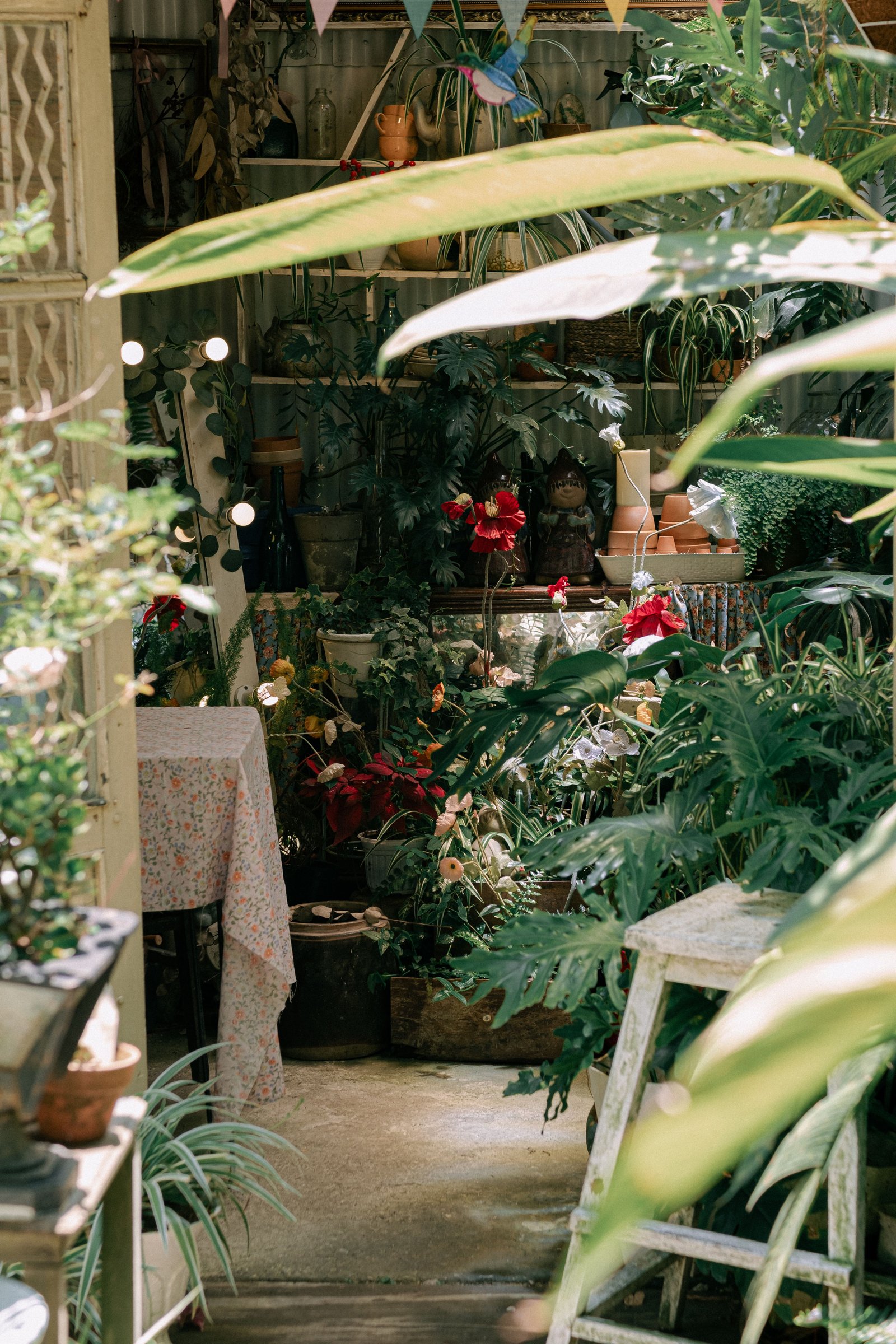
Research mature size before planting. Crowding may not be obvious when plants are small, but it can reduce air movement and make later inspection difficult.
Support Biodiversity
A garden with several compatible plant species can provide food and shelter for pollinators, predatory insects, birds, and other organisms that contribute to ecological balance.
Flowering plants with different bloom periods can support beneficial insects through more of the year. Choose species appropriate for the climate and avoid invasive plants.
Biodiversity does not guarantee that pests will disappear, but it can make the garden less dependent on repeated broad-spectrum treatments.
Understand Beneficial Insects
Not every insect on a plant is a pest. Lady beetles, lacewings, hoverfly larvae, parasitoid wasps, and many other organisms can feed on or parasitize garden pests.
Learn to recognize common beneficial species in your region before spraying. Broad-spectrum products can kill beneficial insects along with the target pest.
When you find an unfamiliar insect, identification is more useful than immediate treatment. A clear photograph can help when consulting a local extension service, nursery, or gardening reference.
Manage Weeds and Plant Debris
Weeds can compete with cultivated plants and sometimes provide alternate hosts for pests. Remove problematic weeds before they produce large quantities of seed or become difficult to control.
Do not leave piles of diseased leaves, damaged fruit, or heavily infested stems beside healthy plants. These materials can allow pest populations to persist.
Healthy organic matter can still be valuable for composting or habitat when it is managed appropriately and does not contain material unsuitable for the composting system.
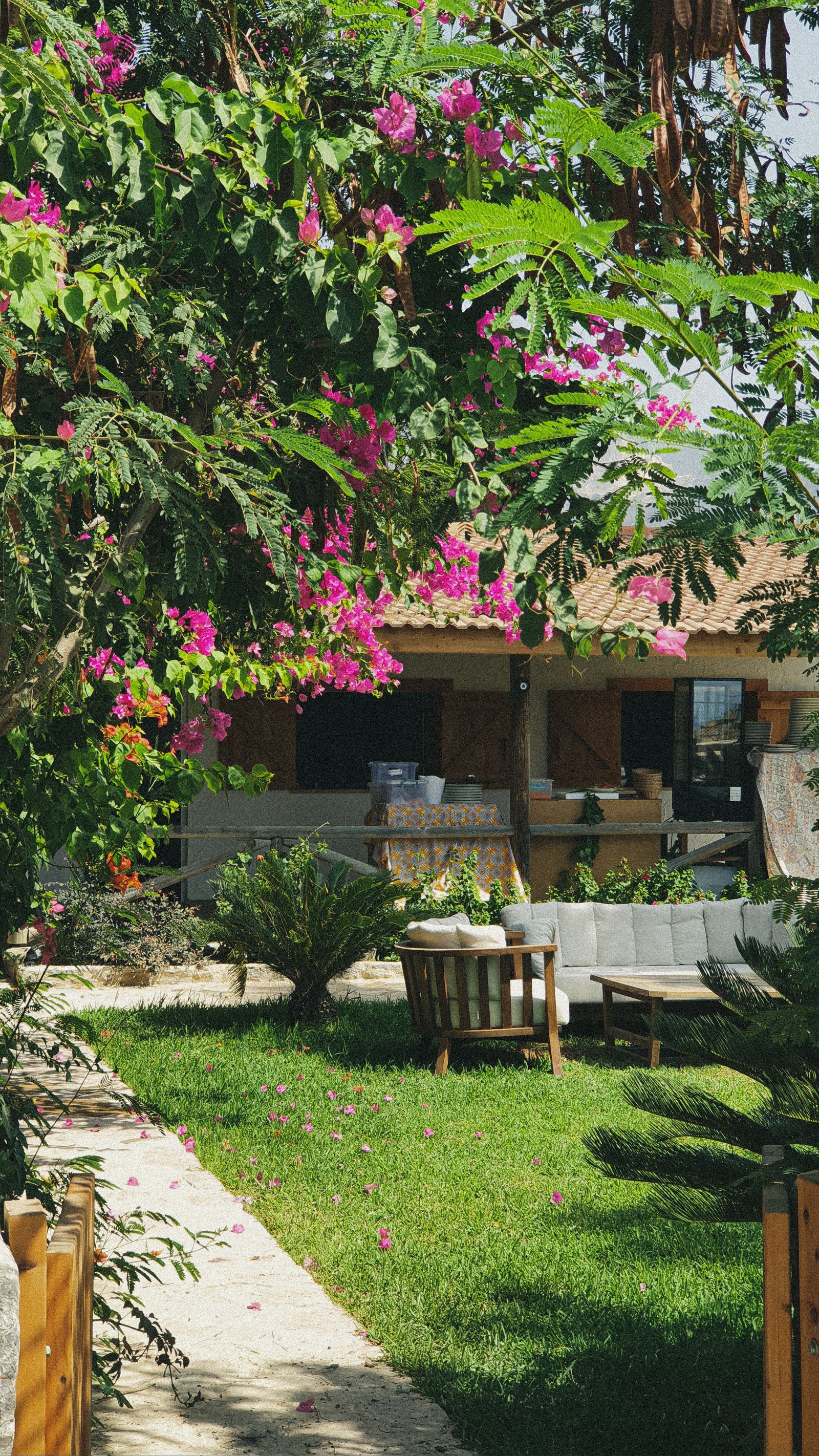
Avoid Overcrowding
Dense planting can reduce airflow and make it difficult to inspect leaves or reach the base of plants. Follow spacing recommendations based on mature size rather than nursery size.
Prune according to the needs of the species to remove dead, damaged, or excessively congested growth. Avoid unnecessary heavy pruning that stresses the plant.
In containers, give each plant enough room and avoid grouping pots so tightly that air and light are severely restricted.
Use Barriers and Physical Controls
Physical methods can reduce pest pressure without immediately using chemicals. Depending on the crop and pest, options may include insect netting, collars, traps, hand removal, or protective covers.
Use barriers correctly so they do not trap pests inside or block pollinators when flowers need access. Secure covers so wind does not damage plants.
Sticky traps can help monitor some flying insects, but they should be used carefully because they can also catch non-target insects.
Respond Early to Small Problems
A few aphids, caterpillars, or other pests can often be managed more easily than a widespread infestation. Hand removal, pruning a small affected section, or washing certain pests from robust plants may be enough in some situations.
Before taking action, identify the pest and assess the level of damage. Some plants tolerate minor feeding without any meaningful long-term effect.
Monitor after intervention. Repeated treatment is unnecessary if the pest population is already declining or beneficial predators are becoming active.
Use Products Responsibly
If a pesticide or other control product is necessary, choose one labeled for the specific pest, plant, and location. Follow the label exactly for dosage, timing, protective equipment, and environmental precautions.

Avoid homemade mixtures that can burn leaves, harm beneficial organisms, or create unknown exposure risks. Natural does not automatically mean safe.
Use the least disruptive effective method and avoid spraying when pollinators are actively visiting flowers if the product poses a risk to them.
Keep Tools and Containers Clean
Dirty tools can move soil, pests, or pathogens from one plant to another. Clean pruning tools and equipment when moving between affected plants, especially when disease is suspected.
Reuse pots only after removing old roots and soil and cleaning them appropriately. Storage areas should be kept dry and organized so pests do not find easy shelter.
Do not share contaminated growing medium between healthy plants.
Review Seasonal Risk
Pest pressure changes with temperature, rainfall, humidity, and plant growth stages. New spring growth may attract different pests than mature summer foliage.
Keep simple notes about when recurring problems appear. This helps you inspect earlier the following year and adjust watering, spacing, or cleanup before populations increase.
Seasonal monitoring is especially helpful in vegetable beds, fruiting plants, and container gardens where pest cycles can be rapid.
Common Mistakes to Avoid
Do not treat every insect as harmful. Misidentification can lead to unnecessary product use and removal of beneficial species.
Avoid overfertilizing. Excess soft growth can attract some pests and may weaken plant structure.
Do not ignore the plant's growing conditions. A pest problem may keep returning if the plant remains stressed by wrong light, poor drainage, or inappropriate watering.
Finally, avoid waiting until the entire plant is heavily affected. Regular observation makes prevention far easier.
Frequently Asked Questions
Should I spray the garden preventively?
Routine spraying is usually unnecessary. Monitor first, identify the problem, and use targeted control only when needed.
Are all insects on my plants pests?
No. Many are harmless or beneficial. Identification should come before treatment.
Can healthy plants still get pests?
Yes, but plants in suitable conditions are often better able to tolerate minor damage and recover.
What is the best first response to a small infestation?
Identify the pest, assess the level of damage, and choose the least disruptive effective method, such as hand removal or pruning when appropriate.
Create a Simple Monitoring Routine
Choose one day each week to inspect the most vulnerable plants. Check new growth, leaf undersides, stems, and the soil surface. Record recurring pests so you can recognize seasonal patterns and respond earlier in future years.
A short routine is easier to maintain than occasional intensive inspection. Consistency helps distinguish normal minor damage from a population that is beginning to increase.
Create a Simple Monitoring Routine
Choose one day each week to inspect the most vulnerable plants. Check new growth, leaf undersides, stems, and the soil surface. Record recurring pests so you can recognize seasonal patterns and respond earlier in future years.
A short routine is easier to maintain than occasional intensive inspection. Consistency helps distinguish normal minor damage from a population that is beginning to increase.
Create a Simple Monitoring Routine
Choose one day each week to inspect the most vulnerable plants. Check new growth, leaf undersides, stems, and the soil surface. Record recurring pests so you can recognize seasonal patterns and respond earlier in future years.
A short routine is easier to maintain than occasional intensive inspection. Consistency helps distinguish normal minor damage from a population that is beginning to increase.
Create a Simple Monitoring Routine
Choose one day each week to inspect the most vulnerable plants. Check new growth, leaf undersides, stems, and the soil surface. Record recurring pests so you can recognize seasonal patterns and respond earlier in future years.
A short routine is easier to maintain than occasional intensive inspection. Consistency helps distinguish normal minor damage from a population that is beginning to increase.
Create a Simple Monitoring Routine
Choose one day each week to inspect the most vulnerable plants. Check new growth, leaf undersides, stems, and the soil surface. Record recurring pests so you can recognize seasonal patterns and respond earlier in future years.
A short routine is easier to maintain than occasional intensive inspection. Consistency helps distinguish normal minor damage from a population that is beginning to increase.
Create a Simple Monitoring Routine
Choose one day each week to inspect the most vulnerable plants. Check new growth, leaf undersides, stems, and the soil surface. Record recurring pests so you can recognize seasonal patterns and respond earlier in future years.
A short routine is easier to maintain than occasional intensive inspection. Consistency helps distinguish normal minor damage from a population that is beginning to increase.
Create a Simple Monitoring Routine
Choose one day each week to inspect the most vulnerable plants. Check new growth, leaf undersides, stems, and the soil surface. Record recurring pests so you can recognize seasonal patterns and respond earlier in future years.
A short routine is easier to maintain than occasional intensive inspection. Consistency helps distinguish normal minor damage from a population that is beginning to increase.
Create a Simple Monitoring Routine
Choose one day each week to inspect the most vulnerable plants. Check new growth, leaf undersides, stems, and the soil surface. Record recurring pests so you can recognize seasonal patterns and respond earlier in future years.
A short routine is easier to maintain than occasional intensive inspection. Consistency helps distinguish normal minor damage from a population that is beginning to increase.
Create a Simple Monitoring Routine
Choose one day each week to inspect the most vulnerable plants. Check new growth, leaf undersides, stems, and the soil surface. Record recurring pests so you can recognize seasonal patterns and respond earlier in future years.
A short routine is easier to maintain than occasional intensive inspection. Consistency helps distinguish normal minor damage from a population that is beginning to increase.
Conclusion
Preventing garden pests depends on observation, plant health, suitable growing conditions, biodiversity, and early action. The objective is not a completely insect-free garden but a balanced system where damaging populations are less likely to become severe.
Inspect regularly, water correctly, keep plants appropriately spaced, protect beneficial organisms, and use control products only when they are truly needed. These habits create a healthier and more manageable garden over time.