In This Article
- Introduction
- Analyze Light Before Choosing Plants
- Match Plant Size to the Room
- Combine Heights and Containers
- Create Balanced Groups
- Use Plants Without Blocking Function
- Adapt Plants to Each Room
- Keep Maintenance Realistic
- Frequently Asked Questions
- Conclusion
Introduction
Indoor plants can add color, texture, softness, and a connection with nature, but successful plant decoration begins with growing conditions and functionality. Analyze light, mature size, safe placement, containers, circulation, and the amount of maintenance you can realistically provide before deciding where plants belong.
Analyze Light Before Choosing Plants
Observe the room at different times of day before choosing species. Window orientation, distance from glass, seasonal changes, curtains, and nearby buildings all affect usable light. Select plants for the conditions rather than forcing a decorative choice into an unsuitable location. Practical planning matters here because the best decorative result is one that remains functional in daily life. Observe the space after each change, correct problems early, and avoid adding more objects simply to fill empty areas. Consider cleaning, access, safety, long-term maintenance, and how the room is actually used before making the next decision.
Observe the room at different times of day before choosing species. Window orientation, distance from glass, seasonal changes, curtains, and nearby buildings all affect usable light. Select plants for the conditions rather than forcing a decorative choice into an unsuitable location. Practical planning matters here because the best decorative result is one that remains functional in daily life. Observe the space after each change, correct problems early, and avoid adding more objects simply to fill empty areas. Consider cleaning, access, safety, long-term maintenance, and how the room is actually used before making the next decision.
Observe the room at different times of day before choosing species. Window orientation, distance from glass, seasonal changes, curtains, and nearby buildings all affect usable light. Select plants for the conditions rather than forcing a decorative choice into an unsuitable location. Practical planning matters here because the best decorative result is one that remains functional in daily life. Observe the space after each change, correct problems early, and avoid adding more objects simply to fill empty areas. Consider cleaning, access, safety, long-term maintenance, and how the room is actually used before making the next decision.
Observe the room at different times of day before choosing species. Window orientation, distance from glass, seasonal changes, curtains, and nearby buildings all affect usable light. Select plants for the conditions rather than forcing a decorative choice into an unsuitable location. Practical planning matters here because the best decorative result is one that remains functional in daily life. Observe the space after each change, correct problems early, and avoid adding more objects simply to fill empty areas. Consider cleaning, access, safety, long-term maintenance, and how the room is actually used before making the next decision.
Match Plant Size to the Room
Consider mature height and spread, not only nursery size. One well-positioned medium plant can look calmer than many tiny pots in a small room. Leave enough space for leaves, watering, cleaning, repotting, and normal circulation. Practical planning matters here because the best decorative result is one that remains functional in daily life. Observe the space after each change, correct problems early, and avoid adding more objects simply to fill empty areas. Consider cleaning, access, safety, long-term maintenance, and how the room is actually used before making the next decision.
Consider mature height and spread, not only nursery size. One well-positioned medium plant can look calmer than many tiny pots in a small room. Leave enough space for leaves, watering, cleaning, repotting, and normal circulation. Practical planning matters here because the best decorative result is one that remains functional in daily life. Observe the space after each change, correct problems early, and avoid adding more objects simply to fill empty areas. Consider cleaning, access, safety, long-term maintenance, and how the room is actually used before making the next decision.
Consider mature height and spread, not only nursery size. One well-positioned medium plant can look calmer than many tiny pots in a small room. Leave enough space for leaves, watering, cleaning, repotting, and normal circulation. Practical planning matters here because the best decorative result is one that remains functional in daily life. Observe the space after each change, correct problems early, and avoid adding more objects simply to fill empty areas. Consider cleaning, access, safety, long-term maintenance, and how the room is actually used before making the next decision.
Consider mature height and spread, not only nursery size. One well-positioned medium plant can look calmer than many tiny pots in a small room. Leave enough space for leaves, watering, cleaning, repotting, and normal circulation. Practical planning matters here because the best decorative result is one that remains functional in daily life. Observe the space after each change, correct problems early, and avoid adding more objects simply to fill empty areas. Consider cleaning, access, safety, long-term maintenance, and how the room is actually used before making the next decision.
Combine Heights and Containers
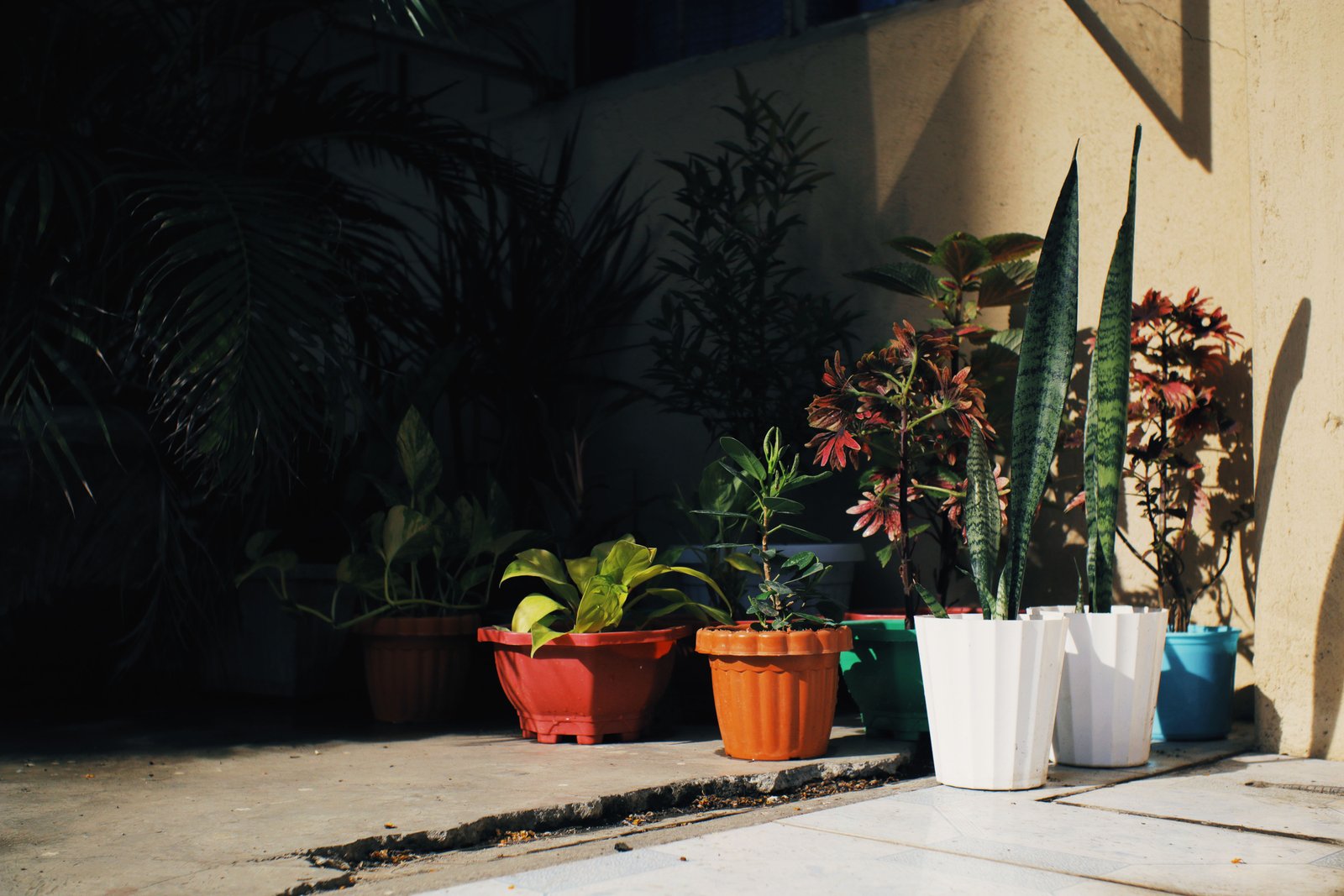
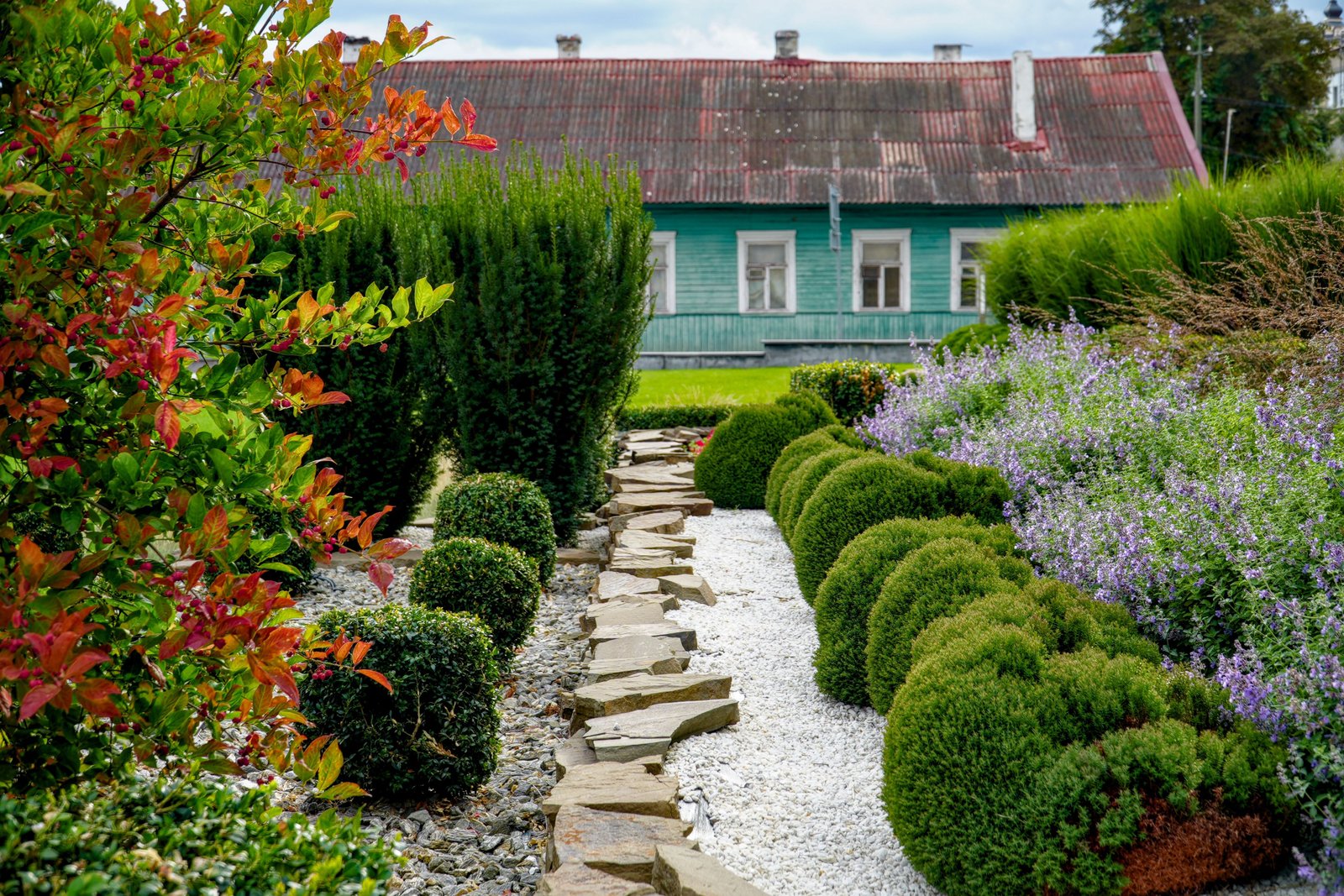
Mix floor plants, tabletop plants, stable stands, shelves, or hanging options when conditions allow. Containers should support plant health first: drainage, suitable size, and safe handling matter. Repeating a few pot colors or materials can create visual coherence. Practical planning matters here because the best decorative result is one that remains functional in daily life. Observe the space after each change, correct problems early, and avoid adding more objects simply to fill empty areas. Consider cleaning, access, safety, long-term maintenance, and how the room is actually used before making the next decision.
Mix floor plants, tabletop plants, stable stands, shelves, or hanging options when conditions allow. Containers should support plant health first: drainage, suitable size, and safe handling matter. Repeating a few pot colors or materials can create visual coherence. Practical planning matters here because the best decorative result is one that remains functional in daily life. Observe the space after each change, correct problems early, and avoid adding more objects simply to fill empty areas. Consider cleaning, access, safety, long-term maintenance, and how the room is actually used before making the next decision.
Mix floor plants, tabletop plants, stable stands, shelves, or hanging options when conditions allow. Containers should support plant health first: drainage, suitable size, and safe handling matter. Repeating a few pot colors or materials can create visual coherence. Practical planning matters here because the best decorative result is one that remains functional in daily life. Observe the space after each change, correct problems early, and avoid adding more objects simply to fill empty areas. Consider cleaning, access, safety, long-term maintenance, and how the room is actually used before making the next decision.
Mix floor plants, tabletop plants, stable stands, shelves, or hanging options when conditions allow. Containers should support plant health first: drainage, suitable size, and safe handling matter. Repeating a few pot colors or materials can create visual coherence. Practical planning matters here because the best decorative result is one that remains functional in daily life. Observe the space after each change, correct problems early, and avoid adding more objects simply to fill empty areas. Consider cleaning, access, safety, long-term maintenance, and how the room is actually used before making the next decision.
Create Balanced Groups
Grouping plants can create stronger impact than scattering them across every surface. Combine heights and leaf forms while leaving breathing room. Plants grouped together should still receive appropriate light and individual watering rather than being treated as identical. Practical planning matters here because the best decorative result is one that remains functional in daily life. Observe the space after each change, correct problems early, and avoid adding more objects simply to fill empty areas. Consider cleaning, access, safety, long-term maintenance, and how the room is actually used before making the next decision.
Grouping plants can create stronger impact than scattering them across every surface. Combine heights and leaf forms while leaving breathing room. Plants grouped together should still receive appropriate light and individual watering rather than being treated as identical. Practical planning matters here because the best decorative result is one that remains functional in daily life. Observe the space after each change, correct problems early, and avoid adding more objects simply to fill empty areas. Consider cleaning, access, safety, long-term maintenance, and how the room is actually used before making the next decision.
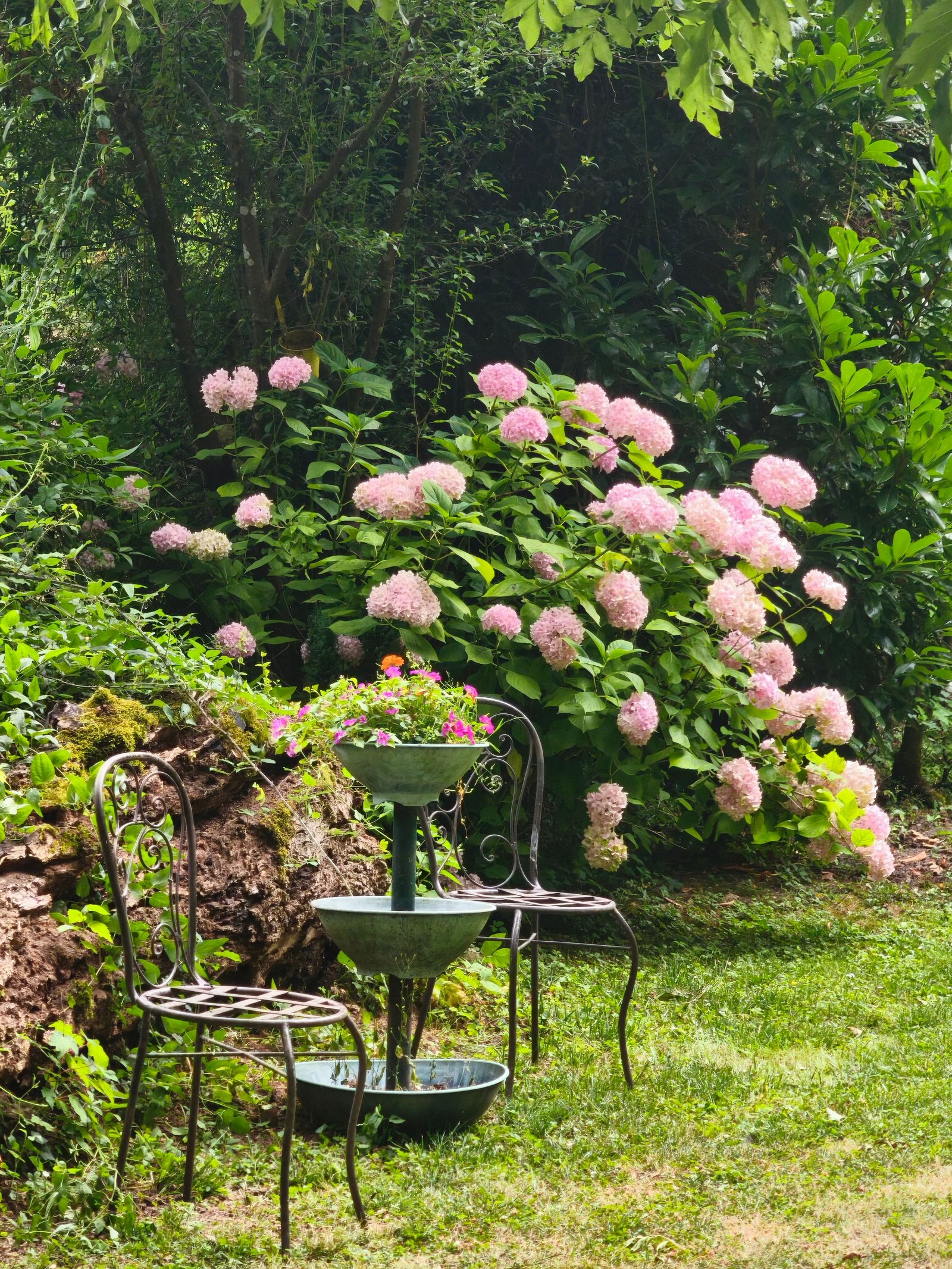
Grouping plants can create stronger impact than scattering them across every surface. Combine heights and leaf forms while leaving breathing room. Plants grouped together should still receive appropriate light and individual watering rather than being treated as identical. Practical planning matters here because the best decorative result is one that remains functional in daily life. Observe the space after each change, correct problems early, and avoid adding more objects simply to fill empty areas. Consider cleaning, access, safety, long-term maintenance, and how the room is actually used before making the next decision.
Grouping plants can create stronger impact than scattering them across every surface. Combine heights and leaf forms while leaving breathing room. Plants grouped together should still receive appropriate light and individual watering rather than being treated as identical. Practical planning matters here because the best decorative result is one that remains functional in daily life. Observe the space after each change, correct problems early, and avoid adding more objects simply to fill empty areas. Consider cleaning, access, safety, long-term maintenance, and how the room is actually used before making the next decision.
Use Plants Without Blocking Function
Keep doors, drawers, walkways, work surfaces, and seating clear. Protect furniture from water and secure hanging systems for the full wet weight. Trailing stems should stay away from heaters, electronics, and places where they can be pulled accidentally. Practical planning matters here because the best decorative result is one that remains functional in daily life. Observe the space after each change, correct problems early, and avoid adding more objects simply to fill empty areas. Consider cleaning, access, safety, long-term maintenance, and how the room is actually used before making the next decision.
Keep doors, drawers, walkways, work surfaces, and seating clear. Protect furniture from water and secure hanging systems for the full wet weight. Trailing stems should stay away from heaters, electronics, and places where they can be pulled accidentally. Practical planning matters here because the best decorative result is one that remains functional in daily life. Observe the space after each change, correct problems early, and avoid adding more objects simply to fill empty areas. Consider cleaning, access, safety, long-term maintenance, and how the room is actually used before making the next decision.
Keep doors, drawers, walkways, work surfaces, and seating clear. Protect furniture from water and secure hanging systems for the full wet weight. Trailing stems should stay away from heaters, electronics, and places where they can be pulled accidentally. Practical planning matters here because the best decorative result is one that remains functional in daily life. Observe the space after each change, correct problems early, and avoid adding more objects simply to fill empty areas. Consider cleaning, access, safety, long-term maintenance, and how the room is actually used before making the next decision.
Keep doors, drawers, walkways, work surfaces, and seating clear. Protect furniture from water and secure hanging systems for the full wet weight. Trailing stems should stay away from heaters, electronics, and places where they can be pulled accidentally. Practical planning matters here because the best decorative result is one that remains functional in daily life. Observe the space after each change, correct problems early, and avoid adding more objects simply to fill empty areas. Consider cleaning, access, safety, long-term maintenance, and how the room is actually used before making the next decision.
Adapt Plants to Each Room
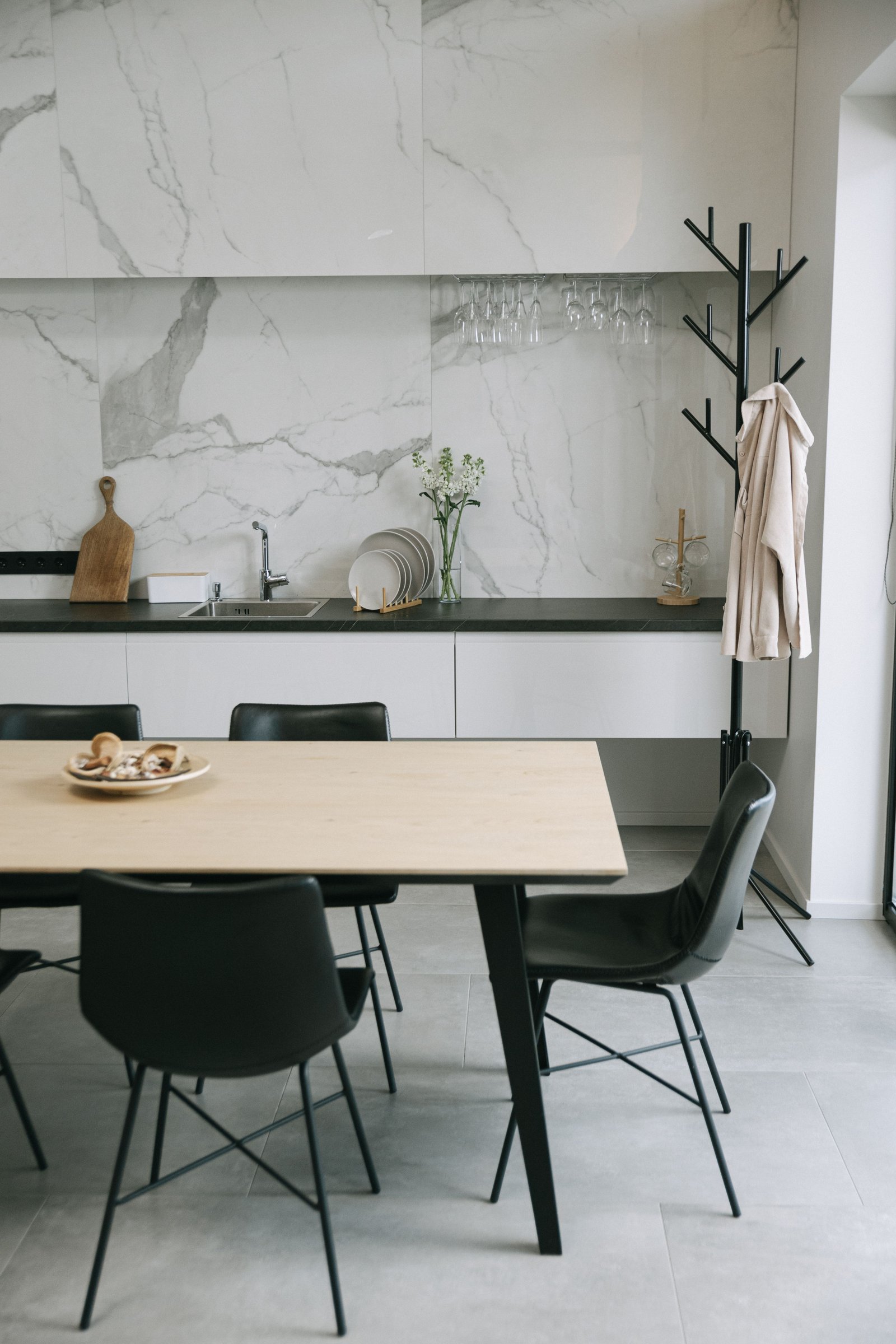
Living rooms can support a larger focal plant and smaller accents. Bedrooms benefit from simpler arrangements. Kitchens require distance from flames and food-preparation areas. Bathroom humidity does not compensate for inadequate light, especially in windowless rooms. Practical planning matters here because the best decorative result is one that remains functional in daily life. Observe the space after each change, correct problems early, and avoid adding more objects simply to fill empty areas. Consider cleaning, access, safety, long-term maintenance, and how the room is actually used before making the next decision.
Living rooms can support a larger focal plant and smaller accents. Bedrooms benefit from simpler arrangements. Kitchens require distance from flames and food-preparation areas. Bathroom humidity does not compensate for inadequate light, especially in windowless rooms. Practical planning matters here because the best decorative result is one that remains functional in daily life. Observe the space after each change, correct problems early, and avoid adding more objects simply to fill empty areas. Consider cleaning, access, safety, long-term maintenance, and how the room is actually used before making the next decision.
Living rooms can support a larger focal plant and smaller accents. Bedrooms benefit from simpler arrangements. Kitchens require distance from flames and food-preparation areas. Bathroom humidity does not compensate for inadequate light, especially in windowless rooms. Practical planning matters here because the best decorative result is one that remains functional in daily life. Observe the space after each change, correct problems early, and avoid adding more objects simply to fill empty areas. Consider cleaning, access, safety, long-term maintenance, and how the room is actually used before making the next decision.
Living rooms can support a larger focal plant and smaller accents. Bedrooms benefit from simpler arrangements. Kitchens require distance from flames and food-preparation areas. Bathroom humidity does not compensate for inadequate light, especially in windowless rooms. Practical planning matters here because the best decorative result is one that remains functional in daily life. Observe the space after each change, correct problems early, and avoid adding more objects simply to fill empty areas. Consider cleaning, access, safety, long-term maintenance, and how the room is actually used before making the next decision.
Keep Maintenance Realistic
A plant collection requires watering, inspection, cleaning, pruning, repotting, and pest monitoring. Choose a number you can maintain. Check the growing medium rather than watering everything on the same schedule, and adjust positions as seasons change. Practical planning matters here because the best decorative result is one that remains functional in daily life. Observe the space after each change, correct problems early, and avoid adding more objects simply to fill empty areas. Consider cleaning, access, safety, long-term maintenance, and how the room is actually used before making the next decision.
A plant collection requires watering, inspection, cleaning, pruning, repotting, and pest monitoring. Choose a number you can maintain. Check the growing medium rather than watering everything on the same schedule, and adjust positions as seasons change. Practical planning matters here because the best decorative result is one that remains functional in daily life. Observe the space after each change, correct problems early, and avoid adding more objects simply to fill empty areas. Consider cleaning, access, safety, long-term maintenance, and how the room is actually used before making the next decision.
A plant collection requires watering, inspection, cleaning, pruning, repotting, and pest monitoring. Choose a number you can maintain. Check the growing medium rather than watering everything on the same schedule, and adjust positions as seasons change. Practical planning matters here because the best decorative result is one that remains functional in daily life. Observe the space after each change, correct problems early, and avoid adding more objects simply to fill empty areas. Consider cleaning, access, safety, long-term maintenance, and how the room is actually used before making the next decision.
A plant collection requires watering, inspection, cleaning, pruning, repotting, and pest monitoring. Choose a number you can maintain. Check the growing medium rather than watering everything on the same schedule, and adjust positions as seasons change. Practical planning matters here because the best decorative result is one that remains functional in daily life. Observe the space after each change, correct problems early, and avoid adding more objects simply to fill empty areas. Consider cleaning, access, safety, long-term maintenance, and how the room is actually used before making the next decision.
Frequently Asked Questions
How can I avoid an overcrowded look?
Start with fewer elements, group them deliberately, preserve clear surfaces and walking space, and add more only when there is a real visual or functional reason.
Should every decorative element match?
No. Coherence can come from repeated colors, materials, shapes, proportions, or a shared visual mood without making everything identical.
What should I consider before buying?
Measure the location, consider maintenance and safety, check materials and intended use, and decide whether the item solves a real need or adds lasting value.
How often should I review the arrangement?
Review it whenever the room becomes harder to clean, maintain, or use. Small seasonal adjustments can keep the space balanced without a complete redesign.
Conclusion
Indoor plants can add color, texture, softness, and a connection with nature, but successful plant decoration begins with growing conditions and functionality. Analyze light, mature size, safe placement, containers, circulation, and the amount of maintenance you can realistically provide before deciding where plants belong. The strongest result comes from intentional choices, enough empty space, realistic maintenance, and attention to safety and function. Review the arrangement over time and adjust it as the home, collection, or living elements change.