In This Article
- Introduction
- Inspect Before Cleaning
- Clean Floors According to Material
- Remove Stains Safely
- Keep Drains and Grout in Good Condition
- Clean Outdoor Furniture by Material
- Care for Cushions and Outdoor Textiles
- Manage Mold, Mildew, and Algae
- Protect Metal From Corrosion
- Maintain Wood Properly
- Create a Simple Maintenance Schedule
- Prepare for Seasonal Weather
- Common Mistakes to Avoid
- Frequently Asked Questions
- Keep Cleaning Products Organized
- Keep Cleaning Products Organized
- Keep Cleaning Products Organized
- Keep Cleaning Products Organized
- Keep Cleaning Products Organized
- Keep Cleaning Products Organized
- Keep Cleaning Products Organized
- Keep Cleaning Products Organized
- Keep Cleaning Products Organized
- Keep Cleaning Products Organized
- Keep Cleaning Products Organized
- Keep Cleaning Products Organized
- Keep Cleaning Products Organized
- Keep Cleaning Products Organized
- Keep Cleaning Products Organized
- Keep Cleaning Products Organized
- Conclusion
Introduction
A terrace and its outdoor furniture stay attractive longer when cleaning is matched to each material and combined with regular maintenance. Floors, grout, drains, wood, metal, synthetic furniture, cushions, and planters all need slightly different care, so the safest method is to identify the material first and begin with the mildest suitable cleaning approach.
Inspect Before Cleaning
Before using water or cleaning products, inspect the terrace floor, grout, drains, railings, walls, furniture, cushions, planters, and metal fittings. Different materials react differently to moisture, pressure, detergents, and brushes, so identifying what you are cleaning is the first step.
Remove loose leaves, soil, dust, and debris with a broom or vacuum suitable for the surface. Clearing dry dirt first prevents mud from forming and makes stains easier to evaluate.
Check for cracks, loose tiles, peeling coatings, rust, rotten wood, unstable furniture, and blocked drains. Cleaning should not hide defects that need repair.
Clean Floors According to Material
Porcelain, ceramic tile, natural stone, concrete, wood decking, and composite decking require different care. Start with the mildest method recommended for the surface and increase only if necessary.
Warm water and a neutral cleaner are often enough for routine dirt on many hard surfaces, but always follow the flooring manufacturer's instructions. Acidic products can damage some stone and grout, while harsh alkaline products can affect finishes.
Pressure washers should be used cautiously. Excess pressure can erode grout, damage wood fibers, force water into joints, or strip protective coatings. Keep the nozzle distance and pressure appropriate for the material.
Remove Stains Safely
Treat stains as soon as practical because oils, rust, plant tannins, bird droppings, and food can become harder to remove over time. Identify the stain and surface before choosing a product.
Test any cleaner in an inconspicuous area first. Do not mix cleaning chemicals, particularly bleach with acids or ammonia, because dangerous gases can form.
For persistent stains on natural stone, wood, or coated surfaces, use a product specifically approved for that material or seek professional advice rather than scrubbing aggressively.
Keep Drains and Grout in Good Condition
Terrace drainage is essential. Remove leaves and soil from drains regularly and make sure planters or outdoor rugs do not block water flow.

Inspect grout and sealant joints for cracks or missing areas. Water entering through failed joints can cause problems below the visible surface.
Do not seal over damp or damaged joints without correcting the cause. If water infiltration appears inside the building or below the terrace, professional assessment may be necessary.
Clean Outdoor Furniture by Material
Wood furniture should be cleaned with methods suitable for the species and finish. Avoid leaving wood wet for long periods and apply oils, stains, or protective finishes only when recommended for that specific product.
Aluminum and coated metal furniture usually needs mild soap and water for routine cleaning. Inspect scratches and corrosion, especially near joints and fasteners.
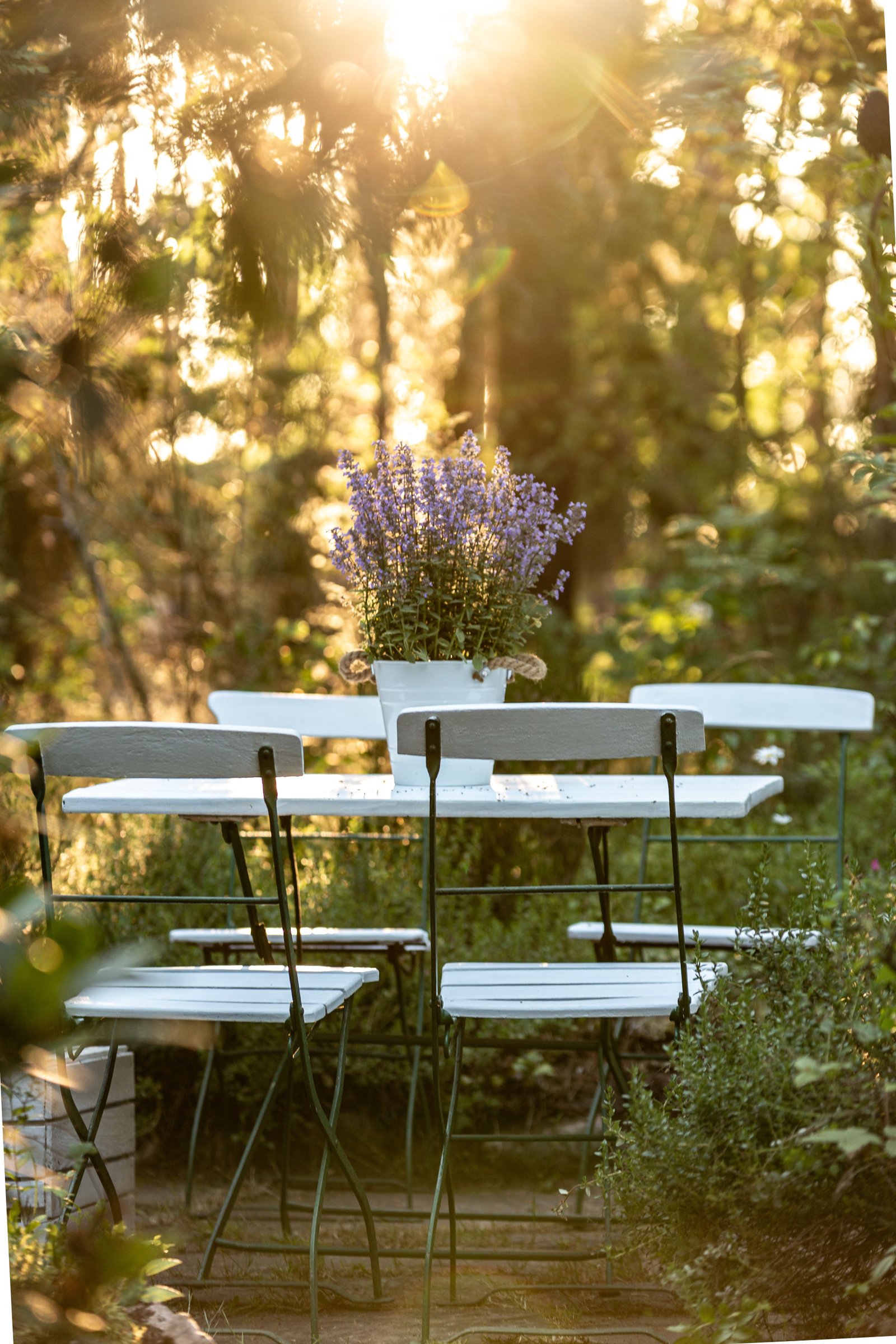
Synthetic resin and woven outdoor furniture can often be cleaned with a soft brush and mild detergent, but product instructions should guide the method. Avoid solvents that can damage plastics or coatings.
Natural-fiber furniture generally needs more protection from rain and prolonged humidity. Keep it in covered areas unless the manufacturer specifically rates it for full outdoor exposure.
Care for Cushions and Outdoor Textiles
Read care labels before washing cushion covers, outdoor rugs, umbrellas, or awnings. Some covers are machine washable, while others require hand cleaning or professional care.
Dry textiles completely before storage to reduce odor and mildew. Do not store damp cushions in sealed boxes.
Brush off loose dirt regularly and treat spills promptly. Keeping textiles clean between deeper washes reduces the need for strong products.
Manage Mold, Mildew, and Algae
Shaded and humid terraces can develop green algae, mildew, or mold on floors, walls, and furniture. Improve drainage, air movement, and drying conditions where possible.
Use only cleaning products appropriate for the affected material. Protective gloves and eye protection may be necessary depending on the product label.
If growth returns quickly, investigate persistent moisture or drainage issues rather than relying only on repeated chemical treatment.
Protect Metal From Corrosion
Inspect metal furniture, railings, screws, and decorative pieces several times a year. Early rust spots are easier to address than widespread corrosion.
Clean salt deposits more frequently in coastal areas. Salt can accelerate corrosion even on materials that otherwise perform well outdoors.
If a protective coating is chipped, follow the manufacturer's repair instructions. Structural corrosion in railings or load-bearing pieces should be assessed promptly.
Maintain Wood Properly
Outdoor wood changes color and texture with sun and rain. Weathering is not always structural damage, but regular inspection is important.
Clean gently, allow the surface to dry, and use protective products suitable for the wood species and existing finish. Applying the wrong oil or coating can create adhesion or appearance problems.
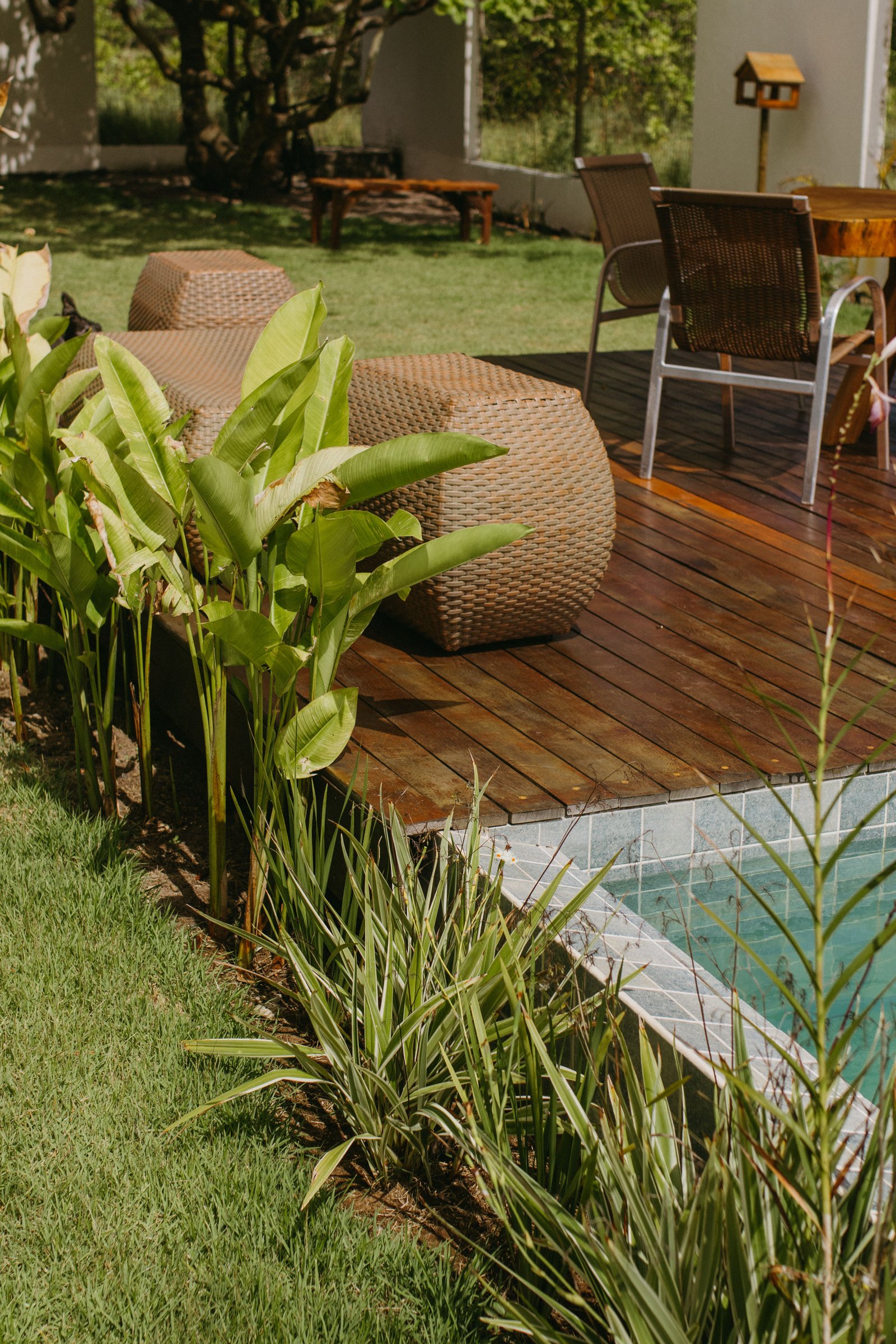
Keep furniture legs out of standing water and improve airflow underneath where possible. Covers should be breathable enough to avoid trapping moisture.
Create a Simple Maintenance Schedule
A short weekly routine can include sweeping, clearing drains, wiping tables, and checking cushions. Monthly or seasonal tasks can include deeper floor cleaning, inspecting joints, tightening furniture hardware, and checking protective finishes.
Schedule more frequent care during pollen season, heavy leaf fall, or wet weather. Small maintenance tasks prevent dirt from accumulating into a much larger cleaning job.
Keep a note of which products were used on each material so the next cleaning session is faster and safer.
Prepare for Seasonal Weather
Before storms or strong wind, secure or store lightweight furniture, umbrellas, cushions, decorative objects, and empty pots. Wind can turn small items into hazards.
During long wet seasons, keep drainage clear and avoid leaving fabrics permanently damp. During intense sun, use covers or storage where appropriate to reduce fading and material degradation.
At the end of a season, clean and dry furniture before storing it. Inspect for loose screws, cracks, corrosion, and worn textiles so repairs can be made before the next period of use.
Common Mistakes to Avoid
Do not use the strongest cleaner first. Aggressive products can damage finishes, discolor stone, weaken fabrics, or leave residues.
Avoid pressure washing delicate joints or wood at close range. Do not cover damp furniture with plastic for long periods.
Do not ignore small drainage, rust, or stability problems. Cleaning improves appearance, but maintenance includes fixing issues before they become larger.
Frequently Asked Questions
How often should I clean a terrace?
Light cleaning can be weekly or as needed, while deeper cleaning is usually seasonal. Climate, trees, traffic, and exposure determine the real frequency.
Can I use a pressure washer?
Sometimes, but only when the surface can tolerate it. Excess pressure can damage grout, wood, coatings, and joints.
How do I protect outdoor wood furniture?
Clean it correctly, let it dry, and use the treatment recommended for the wood species and finish. Protect it from prolonged moisture.
Should cushions be stored indoors?
If they are not designed for continuous outdoor exposure, storing them dry and protected can extend their useful life.
Keep Cleaning Products Organized
Store outdoor cleaning products in their original labeled containers and away from children, pets, heat, and direct sun. Never transfer chemicals into food or drink bottles.
Keeping separate brushes and cloths for floors, furniture, and sensitive finishes reduces cross-contamination and makes routine cleaning faster.
Keep Cleaning Products Organized
Store outdoor cleaning products in their original labeled containers and away from children, pets, heat, and direct sun. Never transfer chemicals into food or drink bottles.
Keeping separate brushes and cloths for floors, furniture, and sensitive finishes reduces cross-contamination and makes routine cleaning faster.
Keep Cleaning Products Organized
Store outdoor cleaning products in their original labeled containers and away from children, pets, heat, and direct sun. Never transfer chemicals into food or drink bottles.
Keeping separate brushes and cloths for floors, furniture, and sensitive finishes reduces cross-contamination and makes routine cleaning faster.
Keep Cleaning Products Organized
Store outdoor cleaning products in their original labeled containers and away from children, pets, heat, and direct sun. Never transfer chemicals into food or drink bottles.
Keeping separate brushes and cloths for floors, furniture, and sensitive finishes reduces cross-contamination and makes routine cleaning faster.
Keep Cleaning Products Organized
Store outdoor cleaning products in their original labeled containers and away from children, pets, heat, and direct sun. Never transfer chemicals into food or drink bottles.
Keeping separate brushes and cloths for floors, furniture, and sensitive finishes reduces cross-contamination and makes routine cleaning faster.
Keep Cleaning Products Organized
Store outdoor cleaning products in their original labeled containers and away from children, pets, heat, and direct sun. Never transfer chemicals into food or drink bottles.
Keeping separate brushes and cloths for floors, furniture, and sensitive finishes reduces cross-contamination and makes routine cleaning faster.
Keep Cleaning Products Organized
Store outdoor cleaning products in their original labeled containers and away from children, pets, heat, and direct sun. Never transfer chemicals into food or drink bottles.
Keeping separate brushes and cloths for floors, furniture, and sensitive finishes reduces cross-contamination and makes routine cleaning faster.
Keep Cleaning Products Organized
Store outdoor cleaning products in their original labeled containers and away from children, pets, heat, and direct sun. Never transfer chemicals into food or drink bottles.
Keeping separate brushes and cloths for floors, furniture, and sensitive finishes reduces cross-contamination and makes routine cleaning faster.
Keep Cleaning Products Organized
Store outdoor cleaning products in their original labeled containers and away from children, pets, heat, and direct sun. Never transfer chemicals into food or drink bottles.
Keeping separate brushes and cloths for floors, furniture, and sensitive finishes reduces cross-contamination and makes routine cleaning faster.
Keep Cleaning Products Organized
Store outdoor cleaning products in their original labeled containers and away from children, pets, heat, and direct sun. Never transfer chemicals into food or drink bottles.
Keeping separate brushes and cloths for floors, furniture, and sensitive finishes reduces cross-contamination and makes routine cleaning faster.
Keep Cleaning Products Organized
Store outdoor cleaning products in their original labeled containers and away from children, pets, heat, and direct sun. Never transfer chemicals into food or drink bottles.
Keeping separate brushes and cloths for floors, furniture, and sensitive finishes reduces cross-contamination and makes routine cleaning faster.
Keep Cleaning Products Organized
Store outdoor cleaning products in their original labeled containers and away from children, pets, heat, and direct sun. Never transfer chemicals into food or drink bottles.
Keeping separate brushes and cloths for floors, furniture, and sensitive finishes reduces cross-contamination and makes routine cleaning faster.
Keep Cleaning Products Organized
Store outdoor cleaning products in their original labeled containers and away from children, pets, heat, and direct sun. Never transfer chemicals into food or drink bottles.
Keeping separate brushes and cloths for floors, furniture, and sensitive finishes reduces cross-contamination and makes routine cleaning faster.
Keep Cleaning Products Organized
Store outdoor cleaning products in their original labeled containers and away from children, pets, heat, and direct sun. Never transfer chemicals into food or drink bottles.
Keeping separate brushes and cloths for floors, furniture, and sensitive finishes reduces cross-contamination and makes routine cleaning faster.
Keep Cleaning Products Organized
Store outdoor cleaning products in their original labeled containers and away from children, pets, heat, and direct sun. Never transfer chemicals into food or drink bottles.
Keeping separate brushes and cloths for floors, furniture, and sensitive finishes reduces cross-contamination and makes routine cleaning faster.
Keep Cleaning Products Organized
Store outdoor cleaning products in their original labeled containers and away from children, pets, heat, and direct sun. Never transfer chemicals into food or drink bottles.
Keeping separate brushes and cloths for floors, furniture, and sensitive finishes reduces cross-contamination and makes routine cleaning faster.
Conclusion
Cleaning and maintaining a terrace and its outdoor furniture works best when care routines are based on the real material, plant, environment, and level of use. Small, regular maintenance is usually more effective than occasional aggressive intervention.