In This Article
- Introduction
- Start With Structure That Works All Year
- Plan Spring Interest
- Plan Summer Color and Shade
- Plan Autumn Foliage and Fruit
- Plan Winter Form and Texture
- Combine Evergreen and Deciduous Plants
- Use Flowering Sequences
- Include Grasses, Bark, and Seed Heads
- Choose Plants for the Real Climate
- Design Beds With Mature Size in Mind
- Plan Seasonal Maintenance
- Use Containers for Flexible Interest
- Review the Garden Through the Year
- Common Mistakes to Avoid
- Frequently Asked Questions
- Plan Views From Inside the Home
- Plan Views From Inside the Home
- Plan Views From Inside the Home
- Plan Views From Inside the Home
- Plan Views From Inside the Home
- Plan Views From Inside the Home
- Plan Views From Inside the Home
- Plan Views From Inside the Home
- Plan Views From Inside the Home
- Plan Views From Inside the Home
- Plan Views From Inside the Home
- Plan Views From Inside the Home
- Plan Views From Inside the Home
- Conclusion
Introduction
A garden can remain interesting throughout the year when structure, foliage, flowers, fruit, bark, grasses, and seasonal changes are planned together. The goal is not to make every plant perform in every season, but to create a sequence in which different elements become important at different times.
Start by observing the garden through the year. Note where winter looks empty, which areas become overcrowded in summer, where autumn color is missing, and which spring flowers disappear too quickly without another feature taking their place.
Start With Structure That Works All Year
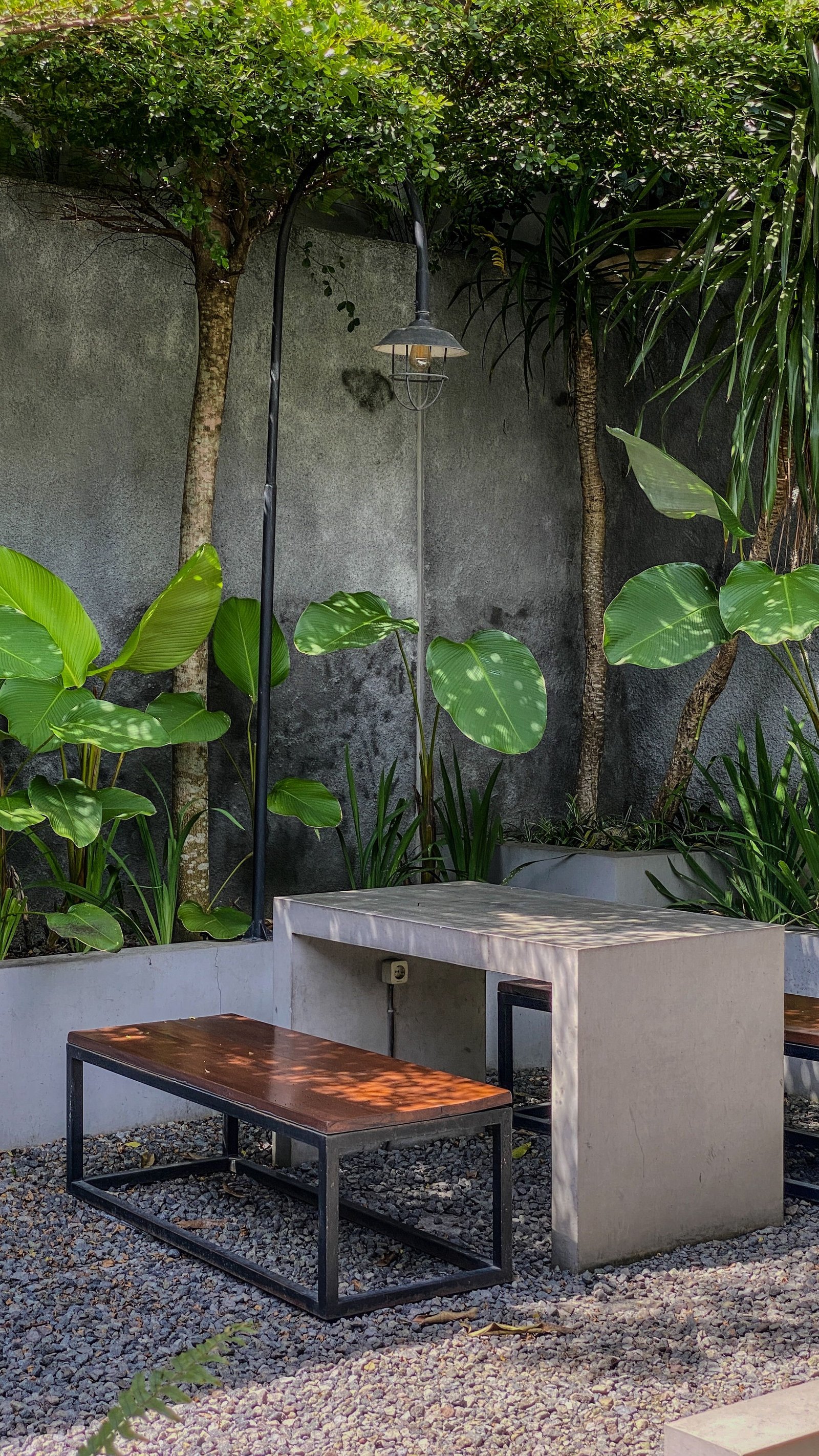
Paths, walls, fences, hedges, evergreen shrubs, small trees, and well-placed containers form the basic structure of the garden.
When flowering plants are dormant, these permanent elements keep the space organized and visually understandable.
Do not rely on flowers alone. A garden with strong structure can remain attractive even when very little is blooming.
Plan Spring Interest
Spring can include bulbs, flowering shrubs, early perennials, fresh foliage, and trees that bloom before or as leaves emerge.
Use several flowering times instead of choosing plants that all peak in the same two weeks.
Allow space for later-growing plants to cover fading bulb foliage naturally rather than removing leaves too early.
Plan Summer Color and Shade
Summer is often the period of strongest growth. Combine long-flowering perennials, shrubs, herbs, grasses, and annuals where appropriate.
Consider shade as part of summer design. A small tree or pergola can improve comfort while also adding vertical structure.
Choose plants that tolerate the heat, rainfall, and irrigation conditions of your region rather than relying on constant corrective watering.
Plan Autumn Foliage and Fruit
Autumn interest can come from changing leaf color, ornamental grasses, berries, seed heads, late flowers, and fruiting shrubs or trees.
Do not remove every fading stem immediately. Some seed heads and dry grasses remain attractive and may provide habitat or food for wildlife.
Balance this with plant health and local conditions; diseased material should be managed appropriately.
Plan Winter Form and Texture
Winter reveals the underlying design. Evergreen foliage, tree trunks, colored stems, bark, stone, paths, and the shape of shrubs become more noticeable.
Choose some plants for branch structure or bark rather than flowers. These features can become focal points when the garden is otherwise quiet.
In snowy climates, consider how evergreens, grasses, and structures look under snow and whether branches can tolerate the load.
Combine Evergreen and Deciduous Plants
Evergreen plants provide continuity, while deciduous plants offer stronger seasonal change. A balanced combination usually creates more interest than relying completely on one group.
Too many evergreens can make the garden feel static, while too few may leave it visually empty in winter.
Use evergreens to anchor beds and deciduous plants to add flowering, autumn color, and changing texture.
Use Flowering Sequences
Create a calendar of bloom times for the plants you are considering. Look for gaps where nothing provides color or interest.
Combine early, mid-season, and late-flowering species. Repetition across the garden can create rhythm while still allowing different areas to peak at different times.
Do not choose only by nursery appearance because plants sold in flower at the same time may all disappear from view together later.
Include Grasses, Bark, and Seed Heads
Ornamental grasses can add movement, fine texture, and winter form. Their mature size and climate suitability should still be checked.
Interesting bark and colored stems provide detail during dormant months, particularly where they can be seen from windows or paths.
Seed heads can remain attractive after flowering, but remove them when they become unstable, diseased, or unwanted for self-seeding.
Choose Plants for the Real Climate
A four-season garden is easier to maintain when plants are suited to local temperature, rainfall, wind, and soil.
Research cold tolerance, heat tolerance, moisture needs, and seasonal dormancy before planting.
Plants adapted to the site usually provide more reliable seasonal performance and need less emergency protection.
Design Beds With Mature Size in Mind
Plan according to mature width and height rather than the size of plants at purchase. Overcrowding creates extra pruning and can hide the intended seasonal layers.
Place taller structural plants where they will not block important views or sunlight from smaller species.
Leave access for maintenance so seasonal pruning, division, and cleanup remain manageable.
Plan Seasonal Maintenance
Spring may include pruning selected plants, mulching, dividing perennials, and checking irrigation. Summer focuses more on watering, deadheading, and pest observation.
Autumn can include planting, leaf management, and preparing tender plants for cold. Winter is a good time to evaluate structure and plan changes.
Create a short seasonal checklist instead of treating the entire garden as one continuous maintenance task.
Use Containers for Flexible Interest
Containers can fill temporary gaps in color and allow seasonal plants to move into prominent positions.
Use fewer, larger containers when possible because they usually dry more slowly and create a stronger visual effect than many tiny pots.
Choose containers that tolerate local weather and plants whose root systems suit the available volume.
Review the Garden Through the Year
Take photographs from the same viewpoints in each season. This creates a useful record of what looks strong and where gaps remain.
Note flowering dates, autumn color, winter structure, and maintenance issues. These observations help future plant choices become more precise.
Change one or two areas at a time rather than redesigning the entire garden after one disappointing season.
Common Mistakes to Avoid
Do not buy plants only because they are flowering at the nursery. Check what they contribute during the rest of the year.
Avoid using too many plants with the same flowering period and no permanent structure.
Do not ignore mature size or local climate. A plant that requires constant rescue will not create reliable year-round interest.
Finally, avoid removing every dry stem immediately if selected grasses and seed heads still contribute texture and do not create health problems.
Frequently Asked Questions
What makes a garden attractive in winter?
Evergreens, bark, branch structure, grasses, seed heads, paths, walls, and other permanent elements can provide winter interest.
How do I avoid gaps between flowering periods?
Make a simple bloom calendar and combine early, mid-season, and late-flowering plants.
Do I need evergreens?
They are not mandatory, but they can provide useful structure and continuity during seasons when deciduous plants are dormant.
How often should I redesign the garden?
Review it each season, but make gradual changes based on repeated observations rather than redesigning after one short period.
Plan Views From Inside the Home
A year-round garden is often enjoyed from indoors as much as from the paths. Identify important windows and place winter bark, evergreen structure, spring flowers, or autumn color where they can be appreciated from those viewpoints.
This helps the garden remain visually connected to the home even during cold or wet periods when people spend less time outside.
Plan Views From Inside the Home
A year-round garden is often enjoyed from indoors as much as from the paths. Identify important windows and place winter bark, evergreen structure, spring flowers, or autumn color where they can be appreciated from those viewpoints.
This helps the garden remain visually connected to the home even during cold or wet periods when people spend less time outside.
Plan Views From Inside the Home
A year-round garden is often enjoyed from indoors as much as from the paths. Identify important windows and place winter bark, evergreen structure, spring flowers, or autumn color where they can be appreciated from those viewpoints.
This helps the garden remain visually connected to the home even during cold or wet periods when people spend less time outside.
Plan Views From Inside the Home
A year-round garden is often enjoyed from indoors as much as from the paths. Identify important windows and place winter bark, evergreen structure, spring flowers, or autumn color where they can be appreciated from those viewpoints.
This helps the garden remain visually connected to the home even during cold or wet periods when people spend less time outside.
Plan Views From Inside the Home
A year-round garden is often enjoyed from indoors as much as from the paths. Identify important windows and place winter bark, evergreen structure, spring flowers, or autumn color where they can be appreciated from those viewpoints.
This helps the garden remain visually connected to the home even during cold or wet periods when people spend less time outside.
Plan Views From Inside the Home
A year-round garden is often enjoyed from indoors as much as from the paths. Identify important windows and place winter bark, evergreen structure, spring flowers, or autumn color where they can be appreciated from those viewpoints.
This helps the garden remain visually connected to the home even during cold or wet periods when people spend less time outside.
Plan Views From Inside the Home
A year-round garden is often enjoyed from indoors as much as from the paths. Identify important windows and place winter bark, evergreen structure, spring flowers, or autumn color where they can be appreciated from those viewpoints.
This helps the garden remain visually connected to the home even during cold or wet periods when people spend less time outside.
Plan Views From Inside the Home
A year-round garden is often enjoyed from indoors as much as from the paths. Identify important windows and place winter bark, evergreen structure, spring flowers, or autumn color where they can be appreciated from those viewpoints.
This helps the garden remain visually connected to the home even during cold or wet periods when people spend less time outside.
Plan Views From Inside the Home
A year-round garden is often enjoyed from indoors as much as from the paths. Identify important windows and place winter bark, evergreen structure, spring flowers, or autumn color where they can be appreciated from those viewpoints.
This helps the garden remain visually connected to the home even during cold or wet periods when people spend less time outside.
Plan Views From Inside the Home
A year-round garden is often enjoyed from indoors as much as from the paths. Identify important windows and place winter bark, evergreen structure, spring flowers, or autumn color where they can be appreciated from those viewpoints.
This helps the garden remain visually connected to the home even during cold or wet periods when people spend less time outside.
Plan Views From Inside the Home
A year-round garden is often enjoyed from indoors as much as from the paths. Identify important windows and place winter bark, evergreen structure, spring flowers, or autumn color where they can be appreciated from those viewpoints.
This helps the garden remain visually connected to the home even during cold or wet periods when people spend less time outside.
Plan Views From Inside the Home
A year-round garden is often enjoyed from indoors as much as from the paths. Identify important windows and place winter bark, evergreen structure, spring flowers, or autumn color where they can be appreciated from those viewpoints.
This helps the garden remain visually connected to the home even during cold or wet periods when people spend less time outside.
Plan Views From Inside the Home
A year-round garden is often enjoyed from indoors as much as from the paths. Identify important windows and place winter bark, evergreen structure, spring flowers, or autumn color where they can be appreciated from those viewpoints.
This helps the garden remain visually connected to the home even during cold or wet periods when people spend less time outside.
Conclusion
Planning a garden for every season means creating a sequence of structure, flowers, foliage, fruit, bark, grasses, and changing textures rather than expecting every plant to look the same all year.
Observe the garden through the seasons, choose plants suited to the climate, and make gradual adjustments so each period has something worth seeing.