
In This Article
- Watering Without Checking the Growing Medium
- Choosing the Wrong Light
- Ignoring Drainage, Potting Mix, and Pot Size
- Overfertilizing, Overpruning, or Repotting Too Often
- Missing Early Signs of Pests and Stress
- Frequently Asked Questions
- Practical Checklist
- Practical Checklist
- Practical Checklist
- Practical Checklist
- Practical Checklist
- Practical Checklist
- Practical Checklist
- Practical Checklist
- Practical Checklist
- Practical Checklist
- Practical Checklist
- Practical Checklist
- Conclusion
Watering Without Checking the Growing Medium
One of the most common mistakes is watering by calendar. The same plant can dry at very different rates as light, temperature, season, pot size, and growth change.
Check moisture below the surface before watering. Pot weight can also become a useful clue once you learn how the container feels when wet and dry.
Do not assume wilting always means thirst. Waterlogged roots, heat, disease, and root damage can produce similar symptoms.
Make sure excess water can leave the container and do not let sensitive plants remain in standing water.
Adjust frequency gradually and observe the response instead of changing the routine every day.
Choosing the Wrong Light
A label such as bright indirect light describes a condition, not a fixed distance from a window. Observe the actual duration and intensity of light in the room.
Low light can cause weak, stretched growth, while abrupt exposure to strong direct sun can scorch foliage adapted to shade.
Move plants gradually when changing exposure and rotate pots when appropriate so growth remains balanced.

Seasonal sun angles change. A location that works in winter can become much hotter in summer.
If natural light is insufficient, a suitable grow light can help, but follow safe distances and operating instructions.
Ignoring Drainage, Potting Mix, and Pot Size
A container needs drainage appropriate to the plant and growing medium. Decorative cachepots should be checked after watering so water does not accumulate unseen.
Choose a potting mix suited to the species. A dense mix can remain saturated, while a very coarse mix may dry too quickly.
Do not move a small plant into an enormous pot simply to avoid repotting later. Excess unused wet mix can stay moist for too long.
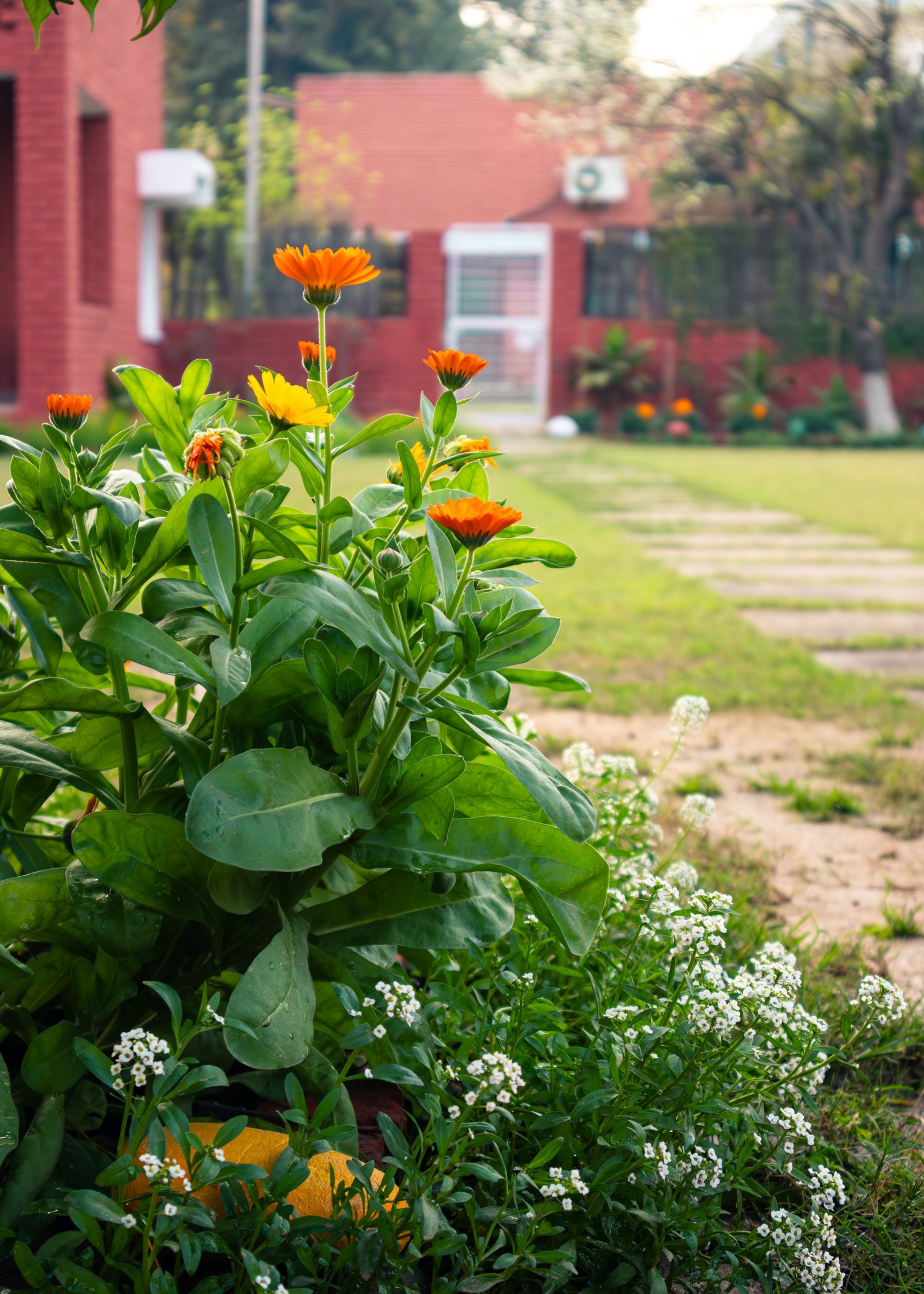
Repot when roots, drainage, or deteriorated mix indicate a need, not simply because a fixed date has arrived.
Clean reused pots and inspect them for cracks, blocked holes, or salt buildup.
Overfertilizing, Overpruning, or Repotting Too Often
More fertilizer does not mean faster healthy growth. Excess soluble salts can damage roots and leaf margins.
Follow the fertilizer label and consider the plant's active growth period, potting mix, and recent repotting.
Prune with clean tools and a clear purpose, such as removing damaged growth or controlling shape where appropriate.

Avoid stacking stressful interventions. A recently repotted or severely stressed plant may not benefit from immediate heavy pruning and fertilizing.
Give the plant time to respond before deciding that another treatment is necessary.
Missing Early Signs of Pests and Stress
Inspect both sides of leaves, stems, leaf joints, and the surface of the growing medium. Sticky residue, fine webbing, scale-like bumps, distortion, or sudden decline deserve attention.
Isolate a suspicious plant from the collection when practical while you identify the cause.
Do not spray a product before confirming what problem you are treating. Incorrect treatments waste time and can injure the plant.
Clean fallen leaves and dead material that can hide pests or remain damp.
Record photos over several days. A sequence often reveals whether a symptom is spreading, stabilizing, or improving.
Frequently Asked Questions
How often should houseplants be watered?
There is no universal schedule. Check the growing medium and adjust for species, pot size, light, temperature, and season.
Do yellow leaves always mean overwatering?
No. Yellowing has many possible causes, so examine moisture, roots, light, pests, nutrition, and normal leaf aging before acting.
Should I fertilize a struggling plant?
Not automatically. Correct basic problems such as water, light, drainage, or pests first.
When should I repot?
Repot when the plant has outgrown its container, the mix has degraded, or root and drainage conditions justify the change.
Practical Checklist
Before finishing, verify measurements, stability, accessibility, cleaning needs, and the condition of surrounding surfaces. Check that the solution does not create a new obstacle or maintenance problem.
Keep receipts, product names, measurements, and photographs together. This information is useful when a finish needs touching up, a part must be replaced, or the same task returns next season.
Review the area under normal daily conditions rather than judging it only immediately after the work is complete. Real use reveals issues that are easy to miss during installation or rearrangement.
When a problem returns quickly, investigate the cause before repeating the same treatment. Persistent moisture, plant decline, material deterioration, or instability usually needs a more specific response.
Practical Checklist
Before finishing, verify measurements, stability, accessibility, cleaning needs, and the condition of surrounding surfaces. Check that the solution does not create a new obstacle or maintenance problem.
Keep receipts, product names, measurements, and photographs together. This information is useful when a finish needs touching up, a part must be replaced, or the same task returns next season.
Review the area under normal daily conditions rather than judging it only immediately after the work is complete. Real use reveals issues that are easy to miss during installation or rearrangement.
When a problem returns quickly, investigate the cause before repeating the same treatment. Persistent moisture, plant decline, material deterioration, or instability usually needs a more specific response.
Practical Checklist
Before finishing, verify measurements, stability, accessibility, cleaning needs, and the condition of surrounding surfaces. Check that the solution does not create a new obstacle or maintenance problem.
Keep receipts, product names, measurements, and photographs together. This information is useful when a finish needs touching up, a part must be replaced, or the same task returns next season.
Review the area under normal daily conditions rather than judging it only immediately after the work is complete. Real use reveals issues that are easy to miss during installation or rearrangement.
When a problem returns quickly, investigate the cause before repeating the same treatment. Persistent moisture, plant decline, material deterioration, or instability usually needs a more specific response.
Practical Checklist
Before finishing, verify measurements, stability, accessibility, cleaning needs, and the condition of surrounding surfaces. Check that the solution does not create a new obstacle or maintenance problem.
Keep receipts, product names, measurements, and photographs together. This information is useful when a finish needs touching up, a part must be replaced, or the same task returns next season.
Review the area under normal daily conditions rather than judging it only immediately after the work is complete. Real use reveals issues that are easy to miss during installation or rearrangement.
When a problem returns quickly, investigate the cause before repeating the same treatment. Persistent moisture, plant decline, material deterioration, or instability usually needs a more specific response.
Practical Checklist
Before finishing, verify measurements, stability, accessibility, cleaning needs, and the condition of surrounding surfaces. Check that the solution does not create a new obstacle or maintenance problem.
Keep receipts, product names, measurements, and photographs together. This information is useful when a finish needs touching up, a part must be replaced, or the same task returns next season.
Review the area under normal daily conditions rather than judging it only immediately after the work is complete. Real use reveals issues that are easy to miss during installation or rearrangement.
When a problem returns quickly, investigate the cause before repeating the same treatment. Persistent moisture, plant decline, material deterioration, or instability usually needs a more specific response.
Practical Checklist
Before finishing, verify measurements, stability, accessibility, cleaning needs, and the condition of surrounding surfaces. Check that the solution does not create a new obstacle or maintenance problem.
Keep receipts, product names, measurements, and photographs together. This information is useful when a finish needs touching up, a part must be replaced, or the same task returns next season.
Review the area under normal daily conditions rather than judging it only immediately after the work is complete. Real use reveals issues that are easy to miss during installation or rearrangement.
When a problem returns quickly, investigate the cause before repeating the same treatment. Persistent moisture, plant decline, material deterioration, or instability usually needs a more specific response.
Practical Checklist
Before finishing, verify measurements, stability, accessibility, cleaning needs, and the condition of surrounding surfaces. Check that the solution does not create a new obstacle or maintenance problem.
Keep receipts, product names, measurements, and photographs together. This information is useful when a finish needs touching up, a part must be replaced, or the same task returns next season.
Review the area under normal daily conditions rather than judging it only immediately after the work is complete. Real use reveals issues that are easy to miss during installation or rearrangement.
When a problem returns quickly, investigate the cause before repeating the same treatment. Persistent moisture, plant decline, material deterioration, or instability usually needs a more specific response.
Practical Checklist
Before finishing, verify measurements, stability, accessibility, cleaning needs, and the condition of surrounding surfaces. Check that the solution does not create a new obstacle or maintenance problem.
Keep receipts, product names, measurements, and photographs together. This information is useful when a finish needs touching up, a part must be replaced, or the same task returns next season.
Review the area under normal daily conditions rather than judging it only immediately after the work is complete. Real use reveals issues that are easy to miss during installation or rearrangement.
When a problem returns quickly, investigate the cause before repeating the same treatment. Persistent moisture, plant decline, material deterioration, or instability usually needs a more specific response.
Practical Checklist
Before finishing, verify measurements, stability, accessibility, cleaning needs, and the condition of surrounding surfaces. Check that the solution does not create a new obstacle or maintenance problem.
Keep receipts, product names, measurements, and photographs together. This information is useful when a finish needs touching up, a part must be replaced, or the same task returns next season.
Review the area under normal daily conditions rather than judging it only immediately after the work is complete. Real use reveals issues that are easy to miss during installation or rearrangement.
When a problem returns quickly, investigate the cause before repeating the same treatment. Persistent moisture, plant decline, material deterioration, or instability usually needs a more specific response.
Practical Checklist
Before finishing, verify measurements, stability, accessibility, cleaning needs, and the condition of surrounding surfaces. Check that the solution does not create a new obstacle or maintenance problem.
Keep receipts, product names, measurements, and photographs together. This information is useful when a finish needs touching up, a part must be replaced, or the same task returns next season.
Review the area under normal daily conditions rather than judging it only immediately after the work is complete. Real use reveals issues that are easy to miss during installation or rearrangement.
When a problem returns quickly, investigate the cause before repeating the same treatment. Persistent moisture, plant decline, material deterioration, or instability usually needs a more specific response.
Practical Checklist
Before finishing, verify measurements, stability, accessibility, cleaning needs, and the condition of surrounding surfaces. Check that the solution does not create a new obstacle or maintenance problem.
Keep receipts, product names, measurements, and photographs together. This information is useful when a finish needs touching up, a part must be replaced, or the same task returns next season.
Review the area under normal daily conditions rather than judging it only immediately after the work is complete. Real use reveals issues that are easy to miss during installation or rearrangement.
When a problem returns quickly, investigate the cause before repeating the same treatment. Persistent moisture, plant decline, material deterioration, or instability usually needs a more specific response.
Practical Checklist
Before finishing, verify measurements, stability, accessibility, cleaning needs, and the condition of surrounding surfaces. Check that the solution does not create a new obstacle or maintenance problem.
Keep receipts, product names, measurements, and photographs together. This information is useful when a finish needs touching up, a part must be replaced, or the same task returns next season.
Review the area under normal daily conditions rather than judging it only immediately after the work is complete. Real use reveals issues that are easy to miss during installation or rearrangement.
When a problem returns quickly, investigate the cause before repeating the same treatment. Persistent moisture, plant decline, material deterioration, or instability usually needs a more specific response.
Conclusion
Good plant care depends more on observation than on rigid routines. Check water, light, drainage, and the plant's actual condition before intervening.
Changing one factor at a time makes problems easier to diagnose and helps you build a routine that matches each plant rather than treating the whole collection identically.