In This Article
- Use Greenery to Soften the Room
- Choose Foliage You Enjoy Looking At
- Place One Larger Plant as a Focal Point
- Add Small Plants Near Rest Areas
- Use Repetition Instead of Clutter
- Combine Plants With Soft Lighting
- Keep Care Manageable
- Consider Bedrooms and Workspaces Carefully
- Remember Household Safety
- Frequently Asked Questions
- Conclusion
Use Greenery to Soften the Room
Plants can make a room feel calmer by adding natural shapes, softer edges, and visual contrast to hard surfaces. The relaxing effect comes largely from thoughtful design and personal experience rather than a need to fill every corner.
For plants that help create a relaxing atmosphere, this part of the plan deserves attention before you buy materials or change the space. Use use greenery to soften the room as a checkpoint: look at the actual conditions, note practical limits, and decide what success should look like in daily use. Photographs, measurements, and a short written note can make the decision easier to review later. A deliberate approach also reduces the chance of solving one problem while creating another.
After the first change related to use greenery to soften the room, observe the result under normal conditions instead of judging it immediately. Check access, maintenance, comfort, moisture, light, stability, and seasonal effects where they are relevant to plants that help create a relaxing atmosphere. Small adjustments made from real observation are usually more useful than adding several new features at once. Keep the solution simple enough that it can still be maintained months from now.
Choose Foliage You Enjoy Looking At
Broad leaves, fine textured foliage, trailing stems, and upright forms create different moods. Select plants whose shapes and colors you genuinely enjoy, because a healthy plant that suits the room is more calming than a fashionable species that constantly struggles.
For plants that help create a relaxing atmosphere, this part of the plan deserves attention before you buy materials or change the space. Use choose foliage you enjoy looking at as a checkpoint: look at the actual conditions, note practical limits, and decide what success should look like in daily use. Photographs, measurements, and a short written note can make the decision easier to review later. A deliberate approach also reduces the chance of solving one problem while creating another.
After the first change related to choose foliage you enjoy looking at, observe the result under normal conditions instead of judging it immediately. Check access, maintenance, comfort, moisture, light, stability, and seasonal effects where they are relevant to plants that help create a relaxing atmosphere. Small adjustments made from real observation are usually more useful than adding several new features at once. Keep the solution simple enough that it can still be maintained months from now.
Place One Larger Plant as a Focal Point
A floor plant beside a sofa, reading chair, or bright corner can create a strong natural focal point without clutter. Leave room for mature growth and keep leaves out of narrow walking routes.
For plants that help create a relaxing atmosphere, this part of the plan deserves attention before you buy materials or change the space. Use place one larger plant as a focal point as a checkpoint: look at the actual conditions, note practical limits, and decide what success should look like in daily use. Photographs, measurements, and a short written note can make the decision easier to review later. A deliberate approach also reduces the chance of solving one problem while creating another.

After the first change related to place one larger plant as a focal point, observe the result under normal conditions instead of judging it immediately. Check access, maintenance, comfort, moisture, light, stability, and seasonal effects where they are relevant to plants that help create a relaxing atmosphere. Small adjustments made from real observation are usually more useful than adding several new features at once. Keep the solution simple enough that it can still be maintained months from now.
Add Small Plants Near Rest Areas
A compact plant on a side table, shelf, or desk can bring greenery close to places used for reading or quiet work. Keep pots stable and protect furniture from moisture.
For plants that help create a relaxing atmosphere, this part of the plan deserves attention before you buy materials or change the space. Use add small plants near rest areas as a checkpoint: look at the actual conditions, note practical limits, and decide what success should look like in daily use. Photographs, measurements, and a short written note can make the decision easier to review later. A deliberate approach also reduces the chance of solving one problem while creating another.
After the first change related to add small plants near rest areas, observe the result under normal conditions instead of judging it immediately. Check access, maintenance, comfort, moisture, light, stability, and seasonal effects where they are relevant to plants that help create a relaxing atmosphere. Small adjustments made from real observation are usually more useful than adding several new features at once. Keep the solution simple enough that it can still be maintained months from now.
Use Repetition Instead of Clutter
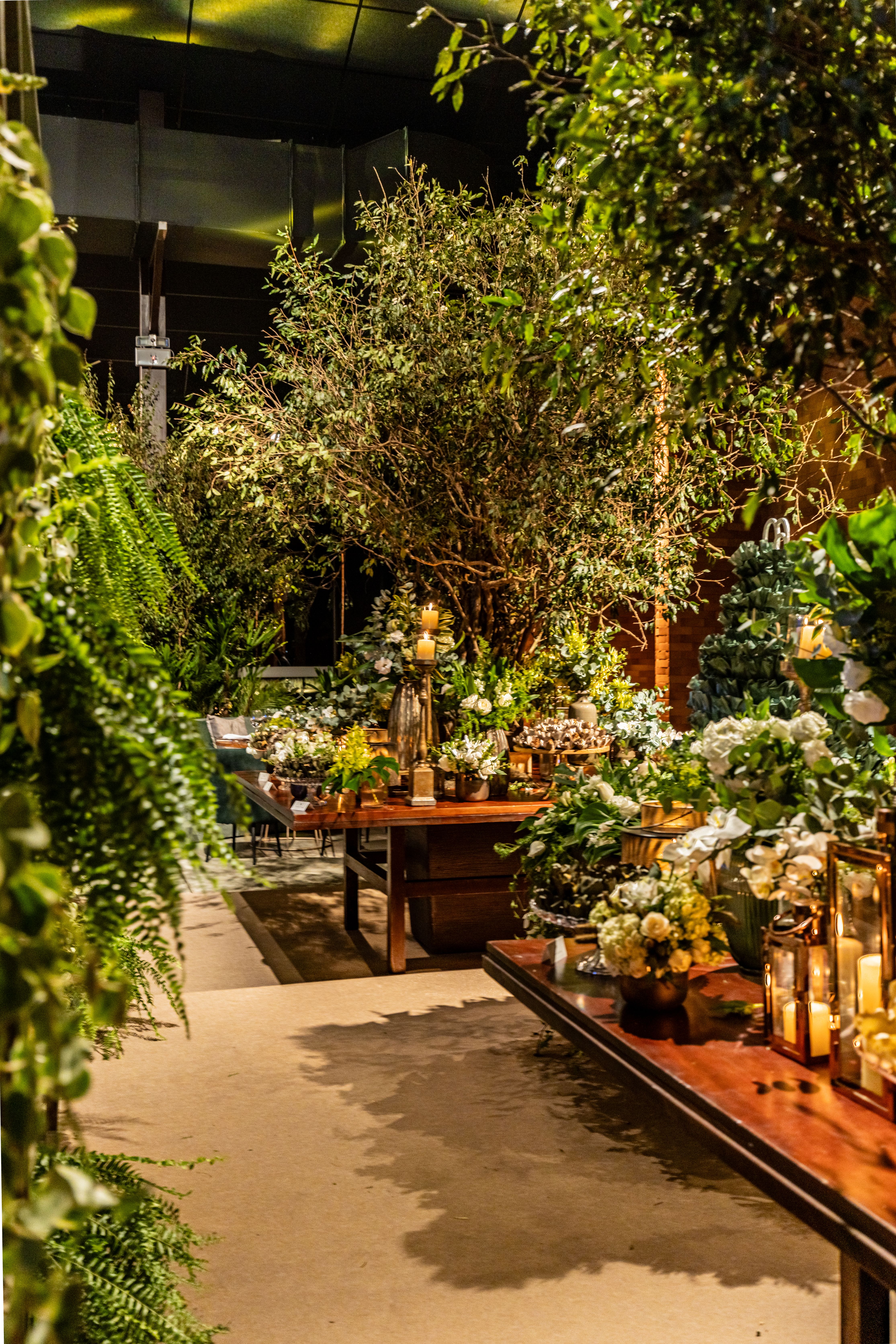
Repeating two or three pot finishes or plant shapes can create visual rhythm. Too many unrelated containers and accessories may make a relaxing room feel busy.
For plants that help create a relaxing atmosphere, this part of the plan deserves attention before you buy materials or change the space. Use use repetition instead of clutter as a checkpoint: look at the actual conditions, note practical limits, and decide what success should look like in daily use. Photographs, measurements, and a short written note can make the decision easier to review later. A deliberate approach also reduces the chance of solving one problem while creating another.
After the first change related to use repetition instead of clutter, observe the result under normal conditions instead of judging it immediately. Check access, maintenance, comfort, moisture, light, stability, and seasonal effects where they are relevant to plants that help create a relaxing atmosphere. Small adjustments made from real observation are usually more useful than adding several new features at once. Keep the solution simple enough that it can still be maintained months from now.
Combine Plants With Soft Lighting
Warm ambient lighting, daylight, and a few well-positioned plants can create depth in the evening. Avoid placing leaves against hot lamps or blocking the light a plant needs for healthy growth.
For plants that help create a relaxing atmosphere, this part of the plan deserves attention before you buy materials or change the space. Use combine plants with soft lighting as a checkpoint: look at the actual conditions, note practical limits, and decide what success should look like in daily use. Photographs, measurements, and a short written note can make the decision easier to review later. A deliberate approach also reduces the chance of solving one problem while creating another.
After the first change related to combine plants with soft lighting, observe the result under normal conditions instead of judging it immediately. Check access, maintenance, comfort, moisture, light, stability, and seasonal effects where they are relevant to plants that help create a relaxing atmosphere. Small adjustments made from real observation are usually more useful than adding several new features at once. Keep the solution simple enough that it can still be maintained months from now.
Keep Care Manageable
A plant collection is less relaxing when it creates constant maintenance stress. Choose species that match your schedule and group routine tasks such as inspection, cleaning leaves, and checking moisture.
For plants that help create a relaxing atmosphere, this part of the plan deserves attention before you buy materials or change the space. Use keep care manageable as a checkpoint: look at the actual conditions, note practical limits, and decide what success should look like in daily use. Photographs, measurements, and a short written note can make the decision easier to review later. A deliberate approach also reduces the chance of solving one problem while creating another.
After the first change related to keep care manageable, observe the result under normal conditions instead of judging it immediately. Check access, maintenance, comfort, moisture, light, stability, and seasonal effects where they are relevant to plants that help create a relaxing atmosphere. Small adjustments made from real observation are usually more useful than adding several new features at once. Keep the solution simple enough that it can still be maintained months from now.
Consider Bedrooms and Workspaces Carefully
Plants can add a pleasant natural element to bedrooms and offices, but they should not block ventilation, crowd desks, or create damp surfaces. Choose stable containers and appropriate species for the available light.
For plants that help create a relaxing atmosphere, this part of the plan deserves attention before you buy materials or change the space. Use consider bedrooms and workspaces carefully as a checkpoint: look at the actual conditions, note practical limits, and decide what success should look like in daily use. Photographs, measurements, and a short written note can make the decision easier to review later. A deliberate approach also reduces the chance of solving one problem while creating another.
After the first change related to consider bedrooms and workspaces carefully, observe the result under normal conditions instead of judging it immediately. Check access, maintenance, comfort, moisture, light, stability, and seasonal effects where they are relevant to plants that help create a relaxing atmosphere. Small adjustments made from real observation are usually more useful than adding several new features at once. Keep the solution simple enough that it can still be maintained months from now.
Remember Household Safety
Some popular houseplants can irritate people or be unsafe for pets if chewed. Check reliable toxicity information when children or animals have access to the plants.
For plants that help create a relaxing atmosphere, this part of the plan deserves attention before you buy materials or change the space. Use remember household safety as a checkpoint: look at the actual conditions, note practical limits, and decide what success should look like in daily use. Photographs, measurements, and a short written note can make the decision easier to review later. A deliberate approach also reduces the chance of solving one problem while creating another.
After the first change related to remember household safety, observe the result under normal conditions instead of judging it immediately. Check access, maintenance, comfort, moisture, light, stability, and seasonal effects where they are relevant to plants that help create a relaxing atmosphere. Small adjustments made from real observation are usually more useful than adding several new features at once. Keep the solution simple enough that it can still be maintained months from now.
Frequently Asked Questions
Plants can contribute to a pleasant atmosphere through color, texture, and connection with nature, but they are not a substitute for ventilation, appropriate lighting, comfortable furniture, or professional care for health concerns.
For plants that help create a relaxing atmosphere, this part of the plan deserves attention before you buy materials or change the space. Use frequently asked questions as a checkpoint: look at the actual conditions, note practical limits, and decide what success should look like in daily use. Photographs, measurements, and a short written note can make the decision easier to review later. A deliberate approach also reduces the chance of solving one problem while creating another.
After the first change related to frequently asked questions, observe the result under normal conditions instead of judging it immediately. Check access, maintenance, comfort, moisture, light, stability, and seasonal effects where they are relevant to plants that help create a relaxing atmosphere. Small adjustments made from real observation are usually more useful than adding several new features at once. Keep the solution simple enough that it can still be maintained months from now.
Conclusion
A relaxing plant display is usually simple: healthy plants, suitable light, a restrained number of containers, and placement that supports how the room is used. Choose greenery that is easy for you to maintain and enjoyable to see.
For plants that help create a relaxing atmosphere, this part of the plan deserves attention before you buy materials or change the space. Use conclusion as a checkpoint: look at the actual conditions, note practical limits, and decide what success should look like in daily use. Photographs, measurements, and a short written note can make the decision easier to review later. A deliberate approach also reduces the chance of solving one problem while creating another.
After the first change related to conclusion, observe the result under normal conditions instead of judging it immediately. Check access, maintenance, comfort, moisture, light, stability, and seasonal effects where they are relevant to plants that help create a relaxing atmosphere. Small adjustments made from real observation are usually more useful than adding several new features at once. Keep the solution simple enough that it can still be maintained months from now.