
Follow us:

Practical ideas for a more beautiful home and a greener life.

Residential Landscaping

How to Grow Hydrangeas in Home Gardens: Sun, Soil, Pruning, and Bloom Care

Deadheading is a simple garden task that can keep many annuals and perennials blooming longer. Learn where to make each cut, how often to deadhead, and when to leave fading flowers in place.
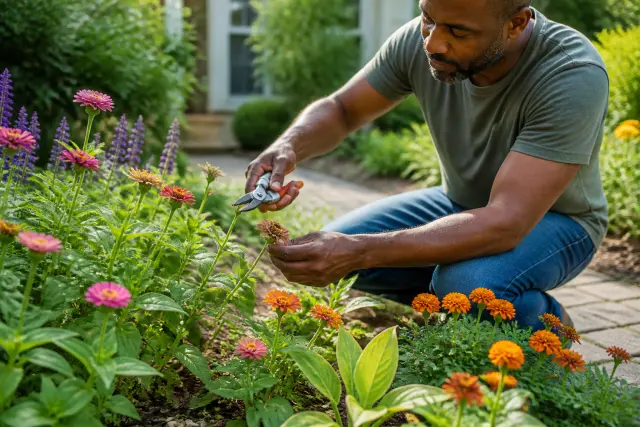
Home gardener deadheading a faded zinnia in a sunny backyard flower bed.

Introduction

Knowing how to deadhead flowers is one of the easiest ways to keep a home garden looking tidy and colorful through the growing season. Deadheading simply means removing flowers after they fade. On many plants, taking away old blooms prevents seed production and encourages the plant to direct more energy toward new buds, leaves, and roots.

It is useful in flower beds, porch containers, balcony planters, hanging baskets, and small cutting gardens. The task does not require special skills, but the right cutting point varies by plant. A quick pinch works for some annuals, while others need a clean cut down to a leaf joint or side bud. Just as important, not every fading flower should be removed. Some plants have attractive seed heads, feed birds, or only bloom once per year.

Use this guide to identify spent blooms, make clean cuts, and build deadheading into your regular garden routine without accidentally removing next season's flowers.
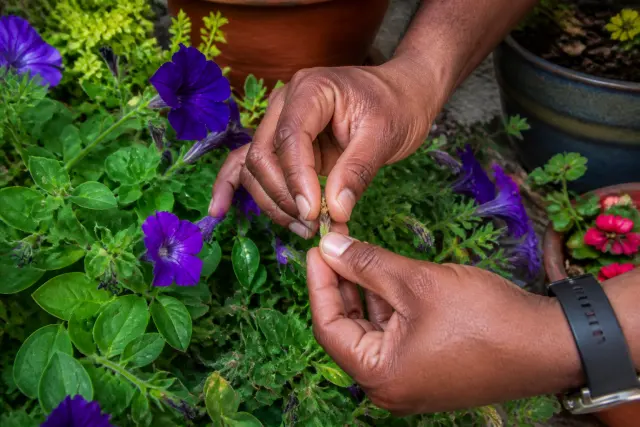
Hands removing a spent petunia bloom from a patio container.
For petunias, remove the fading flower along with the small seed-forming base behind it.

What Deadheading Means and How It Helps Flowers

A spent bloom is a flower that has passed its best stage. Its petals may be wilted, brown, papery, drooping, or missing altogether. Behind the fading petals, the plant may begin forming a seed pod, berry, or swollen seed head. Deadheading removes that old flower before seeds mature.

Why many plants rebloom

A flowering plant's biological goal is to make seed. Once it succeeds, it may slow or stop making new flowers. Removing spent blooms can delay that shift on repeat-blooming annuals and perennials. It will not force every plant to bloom endlessly, but it often extends the display and keeps containers from looking ragged.

Other benefits in home landscapes

  • A neater appearance: Brown flowers are less noticeable when removed promptly.
  • Less unwanted reseeding: Deadheading can limit seedlings from prolific self-sowers such as calendula and some coneflowers.
  • Better plant inspection: Regularly handling plants helps you spot aphids, Japanese beetles, leaf spots, drought stress, and broken stems early.
  • Cleaner containers: Old petals can cling to wet foliage and soil, where they may contribute to moldy-looking debris.

Deadheading is not a substitute for proper sunlight, watering, drainage, feeding, and spacing. A plant that is stressed, shaded beyond its needs, or crowded may not rebloom well even with diligent deadheading.

When to Deadhead Flowers in a Home Garden

Deadhead when a flower is clearly fading but before the seed head becomes mature. You do not need to wait until every petal has dropped. In fact, removing blooms soon after they lose color is usually easiest because the stem is still easy to find and cut.

Choose a dry time of day when foliage is not wet from rain or irrigation. Morning, after dew has dried, is comfortable for both you and the plants. Avoid doing extensive cutting during extreme heat, when plants may already be under water stress. If a plant is wilted from dry soil, water it deeply at the base and wait until it recovers before trimming.

Match timing to the season

In spring and early summer, deadheading usually promotes additional flowers. By late summer or fall, consider your goals. Continue deadheading annual containers if you want the longest possible display. On selected perennials, leave some final flowers to form seed heads for winter interest, seed collection, or wildlife. In cold-winter areas, it is often wise to postpone major perennial cleanup until late winter or early spring, even if you remove unsightly blooms earlier.

Tools to Use for Deadheading

Many soft-stemmed plants can be deadheaded with clean fingers. For tougher stems, use bypass hand pruners, floral snips, or small scissors reserved for gardening. Bypass pruners make a scissor-like cut and are generally preferable to anvil-style tools for live stems because they reduce crushing.

Keep cuts clean and safe

  • Use sharp tools so stems are cut cleanly rather than torn.
  • Wipe blades clean after working on plants with suspicious spots, mildew, or sticky pest residue.
  • Disinfect blades between plants if you are removing diseased growth; rubbing alcohol or a household disinfectant used according to its label can help.
  • Wear gloves for prickly roses, sticky petunias, plants that irritate your skin, or any task that may expose you to thorns.
  • Carry a small bucket or garden trug to collect clippings instead of dropping them into dense foliage.

Do not strain to reach tall flowers. Use long-handled snips only when you can see where you are cutting, or ask for help with plants that are beyond safe reach.

How to Deadhead Flowers Step by Step

The basic technique is simple: trace the faded flower down its stem and cut above a healthy leaf, leaf pair, side shoot, or developing bud. That point gives the plant a place from which to continue growing.

  1. Find a fully spent bloom. Look for wilted petals, browning, fading color, or a swelling seed pod.
  2. Follow the flower stem downward. Do not automatically snip right beneath the flower. That can leave a bare, unattractive stem that later dies back.
  3. Locate the next healthy growth point. Look for a leaf node, pair of leaves, branching side stem, or unopened flower bud.
  4. Cut or pinch just above that point. Make a small, clean cut. Do not remove nearby unopened buds.
  5. Check the plant as you work. Remove yellow leaves or broken stems only if needed, and look for pest damage or disease symptoms.
  6. Dispose of the clippings appropriately. Compost healthy material or discard questionable material as described below.

Single blooms versus flower clusters

For a plant with one flower per stem, such as a zinnia, follow the stem to the first strong leaf set or branching point and cut there. For a cluster-forming plant, remove the entire faded cluster once most individual flowers are spent. If a cluster still has fresh buds opening, wait until the display is mostly finished.
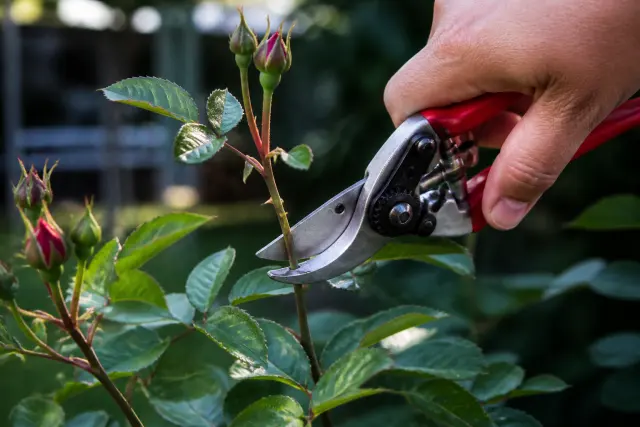
Bypass pruners cutting a spent rose stem above healthy leaves.
Use sharp pruners for woody stems and make each cut just above healthy growth.

How to Deadhead Annual Flowers

Annual flowers have one growing season to bloom and set seed, so many respond especially well to regular deadheading. This is particularly valuable in containers, where every faded bloom stands out and plants have limited soil, moisture, and nutrients.

Pinch-friendly annuals

Petunias, calibrachoa, sweet alyssum, and some small-flowered annuals can often be pinched. Hold the spent bloom and its small stem between your fingers and pinch it off just above fresh leaves. With petunias, remove both the wilted flower and the small developing seed portion directly behind it. Removing petals alone does not prevent seed formation.

Annuals that need a deeper cut

Zinnias, cosmos, marigolds, salvias, snapdragons, and dianthus generally look better when you cut the whole spent stem back to a leaf node or side branch. This avoids leaving thin, empty stalks sticking above the foliage. For tall annuals, take a little extra stem when needed to keep the plant rounded and compact.

Keep annuals watered consistently, especially in porous containers and hanging baskets. Feed according to the product label and plant needs, but avoid assuming fertilizer can fix everything. Deadheading plus adequate sun, proper drainage, and even moisture is the more reliable formula for continued bloom.

How to Deadhead Perennial Flowers

Perennials require more plant-specific judgment because their bloom cycles differ. Some produce a second flush after trimming, some bloom only once, and others offer valuable seed heads after flowering. Check the plant tag or a reliable local Extension resource if you are unsure how a particular perennial behaves in your climate.

Perennials often cut back after their first flush

Repeat-blooming daylilies benefit from having individual spent flowers removed and old flower stalks cut down once all buds on that stalk are finished. Coreopsis, garden phlox, salvia, veronica, yarrow, and some types of dianthus may produce more flowers after deadheading. Cut stems back to a healthy set of leaves or a side shoot rather than merely popping off the flower head.

Hydrangeas need extra care

Hydrangea deadheading is mostly cosmetic; it does not usually create a major new bloom cycle. Snip the faded flower cluster just above the first pair of full, healthy leaves below it. Avoid cutting far down the stem on bigleaf, mountain, oakleaf, and climbing hydrangeas, because many varieties form future flower buds on older wood. Panicle and smooth hydrangeas bloom on new growth and are more forgiving, but there is still no need to cut deeply just to remove a spent bloom. If you do not know your hydrangea type, make only shallow deadheading cuts and save major pruning for guidance specific to that variety.

Flowers That Benefit Most From Deadheading

The following home-garden favorites commonly benefit from removing spent flowers during their active bloom season. Results vary with weather, day length, cultivar, and plant health, but these are good candidates to inspect regularly.

FlowerWhere to cutWhat to expect
PetuniaPinch off flower and seed base above leavesCleaner plants and continued flowering
MarigoldBack to the next leaf set or branchMore blooms and a tidier shape
ZinniaAbove a strong leaf node or side shootMore branching and flowers
CoreopsisIndividual stems to leaves; shear lightly after a flushPotential repeat bloom
SalviaBelow the faded flower spike to fresh growthNew flower spikes on many types
RoseTo a five-leaflet leaf on repeat-blooming typesMore flowers on repeat-blooming roses
DaylilyRemove each spent flower; cut finished stalks at the baseA cleaner clump and continued buds on active stalks

For repeat-blooming roses, make the cut about one-quarter inch above an outward-facing five-leaflet leaf when practical. In late summer, gardeners in colder regions may stop deadheading several weeks before their typical first frost so tender new growth is less likely to be encouraged. Local conditions matter more than a fixed calendar date.

Flowers You Should Not Deadhead Right Away

Do not treat every brown flower as waste. Some plants are grown as much for their seed heads as for their petals, and others will not rebloom after cutting.

Leave flowers for seed, structure, or wildlife

Coneflowers, rudbeckias, ornamental grasses, sedums, baptisia, alliums, and many native plants can provide attractive fall and winter structure. Their seeds may also be useful to birds. If you want to collect seed for your own garden, allow selected healthy flowers to mature fully, then collect seed when it is dry and ripe. Remember that seedlings from hybrid plants may not look like the parent plant.

Single-blooming plants and spring bulbs

Peonies, bearded irises, lilacs, and many spring-flowering shrubs bloom once per year. Removing their faded blossoms can improve appearance, but it will not produce another flush that season. With tulips and daffodils, remove the spent flower head if desired, but leave the green leaves in place until they yellow naturally. The foliage replenishes the bulb for next year's bloom.

Do not deadhead plants you want to self-sow, such as some poppies, columbines, cosmos, and calendula. Instead, let a few choice flowers set seed while removing the rest to balance reseeding with a tidy garden.

How Often to Deadhead for Continued Blooms

In peak season, a quick deadheading check once or twice a week works well for most beds and containers. Hanging baskets and porch pots may need attention every few days because blooms fade quickly in warm weather and are highly visible at close range. A larger perennial border can be checked during routine watering, weeding, or harvesting.

Work in short passes rather than waiting for a major cleanup. Spend five minutes on the front containers, then another few minutes on a flower bed. This is easier on your hands and helps you avoid removing half-developed buds by mistake.

Watch for signals beyond faded flowers

If flowering slows despite regular deadheading, assess growing conditions. Many bloomers need at least six hours of direct sun, though heat and afternoon intensity can be too much for certain plants in hot climates. Check that container drainage holes are open, soil is moist but not waterlogged, and plants are not rootbound. Overcrowded annuals may benefit from selective trimming to improve air circulation. If leaves are heavily spotted, distorted, or covered with mildew, address the underlying problem instead of repeatedly cutting flowers.

Common Deadheading Mistakes to Avoid

  • Cutting only the petals: Remove the flower base and developing seed area, not just loose petals.
  • Leaving long bare stems: Follow the stem down to a leaf node or side shoot for a more natural-looking plant.
  • Removing unopened buds: Pause and identify buds before cutting a flower cluster.
  • Shearing every plant the same way: A light trim may suit dense annuals, but woody shrubs and large-flowered perennials need individual cuts.
  • Deadheading drought-stressed plants aggressively: Restore proper moisture first and avoid major cutting during heat stress.
  • Spreading disease with dirty tools: Clean blades, especially after cutting plants with leaf spots, cankers, or powdery mildew.
  • Pruning hydrangeas too low: Shallow deadheading is safer when the variety and its bloom wood are unknown.
  • Removing all seed heads in fall: Keep some where you want winter texture, seed collection, or food for birds.

What to Do With Removed Spent Blooms

Healthy, pest-free flower clippings can usually go into a home compost pile. Mix them with dry brown materials such as fallen leaves or shredded untreated paper to keep the pile from becoming dense and soggy. Small amounts can also be left as mulch beneath plants if they are not seeding and do not have disease symptoms, although collected clippings generally look neater in formal beds and containers.

Do not compost plants that are clearly diseased unless you maintain an actively managed compost system that reliably gets hot enough to break down pathogens. When in doubt, place heavily mildewed, spotted, or pest-infested material in yard-waste collection or the trash according to local rules. Municipal programs differ, so check your local waste guidance before putting plant material in a green bin.

Before discarding everything, look closely at unusual seed heads. You may want to save a few dry, labeled seeds from open-pollinated flowers, or bring a small seed head indoors for identification. Do not save seed from plants that showed disease symptoms.
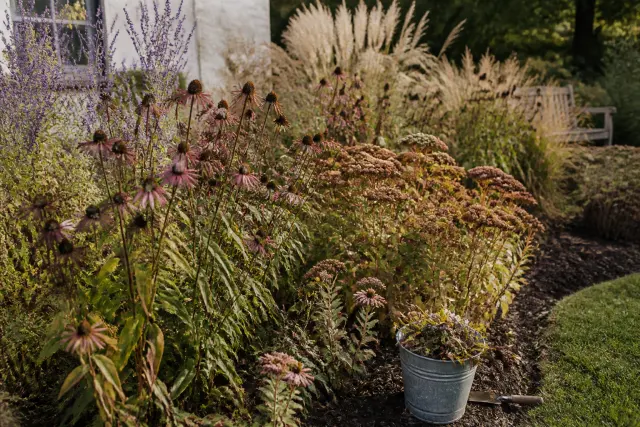
Coneflower seed heads left in an autumn home garden border.
Leave selected seed heads in place when you want winter interest, seed collection, or food for birds.

Conclusion

Deadheading is a small, repeatable task that makes a noticeable difference in a residential flower garden. Remove fading blooms before they set seed, trace each stem to a healthy leaf or branch, and use clean tools when stems are tough. Give the most attention to repeat-blooming annuals, containers, roses, and reblooming perennials, while leaving selected seed heads on plants that offer fall beauty or support birds.

Most importantly, let each plant guide your approach. A few minutes of observation will tell you whether it has new buds waiting, needs water instead of trimming, or should be allowed to form seed. With regular checks and plant-specific cuts, your beds, balcony planters, and patio pots can stay healthier and more colorful through the season.

Frequently Asked Questions

Should I deadhead flowers every day?

Usually no. Checking flowering containers and beds once or twice a week is enough for most plants. Fast-growing petunias, hanging baskets, and plants in hot weather may need a quick check every few days.

Where exactly do I cut when deadheading?

Follow the spent flower stem down to the first healthy leaf node, leaf pair, side shoot, or unopened bud, then cut just above that point. This removes the bare stem and preserves growth that can produce new flowers.

Will deadheading make every flower bloom again?

No. Deadheading helps many repeat-blooming annuals and perennials, but single-blooming plants such as peonies, lilacs, and many spring bulbs will not produce another full flush that season.

Can I deadhead hydrangeas?

Yes. Remove a faded hydrangea flower cluster with a shallow cut just above the first set of healthy leaves below it. Avoid cutting deeply into the stem unless you know the hydrangea type and its correct pruning time.

Should I deadhead coneflowers?

Deadhead coneflowers during summer if you want a tidier look or hope for more flowers. In fall, consider leaving some seed heads in place for winter texture and birds, or to collect seed from healthy plants.

Is it okay to compost deadheaded flowers?

Compost healthy, pest-free flowers. Discard plants with obvious disease, heavy mildew, or serious insect infestation through local yard-waste or trash systems unless you know your compost process safely handles diseased material.

Residential Landscaping

How to Grow Hydrangeas in Home Gardens: Sun, Soil, Pruning, and Bloom Care

Deadheading is a simple garden task that can keep many annuals and perennials blooming longer. Learn where to make each cut, how often to deadhead, and when to leave fading flowers in place.

Home gardener deadheading a faded zinnia in a sunny backyard flower bed.

Introduction

Knowing how to deadhead flowers is one of the easiest ways to keep a home garden looking tidy and colorful through the growing season. Deadheading simply means removing flowers after they fade. On many plants, taking away old blooms prevents seed production and encourages the plant to direct more energy toward new buds, leaves, and roots.

It is useful in flower beds, porch containers, balcony planters, hanging baskets, and small cutting gardens. The task does not require special skills, but the right cutting point varies by plant. A quick pinch works for some annuals, while others need a clean cut down to a leaf joint or side bud. Just as important, not every fading flower should be removed. Some plants have attractive seed heads, feed birds, or only bloom once per year.

Use this guide to identify spent blooms, make clean cuts, and build deadheading into your regular garden routine without accidentally removing next season's flowers.

Hands removing a spent petunia bloom from a patio container.
For petunias, remove the fading flower along with the small seed-forming base behind it.

What Deadheading Means and How It Helps Flowers

A spent bloom is a flower that has passed its best stage. Its petals may be wilted, brown, papery, drooping, or missing altogether. Behind the fading petals, the plant may begin forming a seed pod, berry, or swollen seed head. Deadheading removes that old flower before seeds mature.

Why many plants rebloom

A flowering plant's biological goal is to make seed. Once it succeeds, it may slow or stop making new flowers. Removing spent blooms can delay that shift on repeat-blooming annuals and perennials. It will not force every plant to bloom endlessly, but it often extends the display and keeps containers from looking ragged.

Other benefits in home landscapes

  • A neater appearance: Brown flowers are less noticeable when removed promptly.
  • Less unwanted reseeding: Deadheading can limit seedlings from prolific self-sowers such as calendula and some coneflowers.
  • Better plant inspection: Regularly handling plants helps you spot aphids, Japanese beetles, leaf spots, drought stress, and broken stems early.
  • Cleaner containers: Old petals can cling to wet foliage and soil, where they may contribute to moldy-looking debris.

Deadheading is not a substitute for proper sunlight, watering, drainage, feeding, and spacing. A plant that is stressed, shaded beyond its needs, or crowded may not rebloom well even with diligent deadheading.

When to Deadhead Flowers in a Home Garden

Deadhead when a flower is clearly fading but before the seed head becomes mature. You do not need to wait until every petal has dropped. In fact, removing blooms soon after they lose color is usually easiest because the stem is still easy to find and cut.

Choose a dry time of day when foliage is not wet from rain or irrigation. Morning, after dew has dried, is comfortable for both you and the plants. Avoid doing extensive cutting during extreme heat, when plants may already be under water stress. If a plant is wilted from dry soil, water it deeply at the base and wait until it recovers before trimming.

Match timing to the season

In spring and early summer, deadheading usually promotes additional flowers. By late summer or fall, consider your goals. Continue deadheading annual containers if you want the longest possible display. On selected perennials, leave some final flowers to form seed heads for winter interest, seed collection, or wildlife. In cold-winter areas, it is often wise to postpone major perennial cleanup until late winter or early spring, even if you remove unsightly blooms earlier.

Tools to Use for Deadheading

Many soft-stemmed plants can be deadheaded with clean fingers. For tougher stems, use bypass hand pruners, floral snips, or small scissors reserved for gardening. Bypass pruners make a scissor-like cut and are generally preferable to anvil-style tools for live stems because they reduce crushing.

Keep cuts clean and safe

  • Use sharp tools so stems are cut cleanly rather than torn.
  • Wipe blades clean after working on plants with suspicious spots, mildew, or sticky pest residue.
  • Disinfect blades between plants if you are removing diseased growth; rubbing alcohol or a household disinfectant used according to its label can help.
  • Wear gloves for prickly roses, sticky petunias, plants that irritate your skin, or any task that may expose you to thorns.
  • Carry a small bucket or garden trug to collect clippings instead of dropping them into dense foliage.

Do not strain to reach tall flowers. Use long-handled snips only when you can see where you are cutting, or ask for help with plants that are beyond safe reach.

How to Deadhead Flowers Step by Step

The basic technique is simple: trace the faded flower down its stem and cut above a healthy leaf, leaf pair, side shoot, or developing bud. That point gives the plant a place from which to continue growing.

  1. Find a fully spent bloom. Look for wilted petals, browning, fading color, or a swelling seed pod.
  2. Follow the flower stem downward. Do not automatically snip right beneath the flower. That can leave a bare, unattractive stem that later dies back.
  3. Locate the next healthy growth point. Look for a leaf node, pair of leaves, branching side stem, or unopened flower bud.
  4. Cut or pinch just above that point. Make a small, clean cut. Do not remove nearby unopened buds.
  5. Check the plant as you work. Remove yellow leaves or broken stems only if needed, and look for pest damage or disease symptoms.
  6. Dispose of the clippings appropriately. Compost healthy material or discard questionable material as described below.

Single blooms versus flower clusters

For a plant with one flower per stem, such as a zinnia, follow the stem to the first strong leaf set or branching point and cut there. For a cluster-forming plant, remove the entire faded cluster once most individual flowers are spent. If a cluster still has fresh buds opening, wait until the display is mostly finished.

Bypass pruners cutting a spent rose stem above healthy leaves.
Use sharp pruners for woody stems and make each cut just above healthy growth.

How to Deadhead Annual Flowers

Annual flowers have one growing season to bloom and set seed, so many respond especially well to regular deadheading. This is particularly valuable in containers, where every faded bloom stands out and plants have limited soil, moisture, and nutrients.

Pinch-friendly annuals

Petunias, calibrachoa, sweet alyssum, and some small-flowered annuals can often be pinched. Hold the spent bloom and its small stem between your fingers and pinch it off just above fresh leaves. With petunias, remove both the wilted flower and the small developing seed portion directly behind it. Removing petals alone does not prevent seed formation.

Annuals that need a deeper cut

Zinnias, cosmos, marigolds, salvias, snapdragons, and dianthus generally look better when you cut the whole spent stem back to a leaf node or side branch. This avoids leaving thin, empty stalks sticking above the foliage. For tall annuals, take a little extra stem when needed to keep the plant rounded and compact.

Keep annuals watered consistently, especially in porous containers and hanging baskets. Feed according to the product label and plant needs, but avoid assuming fertilizer can fix everything. Deadheading plus adequate sun, proper drainage, and even moisture is the more reliable formula for continued bloom.

How to Deadhead Perennial Flowers

Perennials require more plant-specific judgment because their bloom cycles differ. Some produce a second flush after trimming, some bloom only once, and others offer valuable seed heads after flowering. Check the plant tag or a reliable local Extension resource if you are unsure how a particular perennial behaves in your climate.

Perennials often cut back after their first flush

Repeat-blooming daylilies benefit from having individual spent flowers removed and old flower stalks cut down once all buds on that stalk are finished. Coreopsis, garden phlox, salvia, veronica, yarrow, and some types of dianthus may produce more flowers after deadheading. Cut stems back to a healthy set of leaves or a side shoot rather than merely popping off the flower head.

Hydrangeas need extra care

Hydrangea deadheading is mostly cosmetic; it does not usually create a major new bloom cycle. Snip the faded flower cluster just above the first pair of full, healthy leaves below it. Avoid cutting far down the stem on bigleaf, mountain, oakleaf, and climbing hydrangeas, because many varieties form future flower buds on older wood. Panicle and smooth hydrangeas bloom on new growth and are more forgiving, but there is still no need to cut deeply just to remove a spent bloom. If you do not know your hydrangea type, make only shallow deadheading cuts and save major pruning for guidance specific to that variety.

Flowers That Benefit Most From Deadheading

The following home-garden favorites commonly benefit from removing spent flowers during their active bloom season. Results vary with weather, day length, cultivar, and plant health, but these are good candidates to inspect regularly.

FlowerWhere to cutWhat to expect
PetuniaPinch off flower and seed base above leavesCleaner plants and continued flowering
MarigoldBack to the next leaf set or branchMore blooms and a tidier shape
ZinniaAbove a strong leaf node or side shootMore branching and flowers
CoreopsisIndividual stems to leaves; shear lightly after a flushPotential repeat bloom
SalviaBelow the faded flower spike to fresh growthNew flower spikes on many types
RoseTo a five-leaflet leaf on repeat-blooming typesMore flowers on repeat-blooming roses
DaylilyRemove each spent flower; cut finished stalks at the baseA cleaner clump and continued buds on active stalks

For repeat-blooming roses, make the cut about one-quarter inch above an outward-facing five-leaflet leaf when practical. In late summer, gardeners in colder regions may stop deadheading several weeks before their typical first frost so tender new growth is less likely to be encouraged. Local conditions matter more than a fixed calendar date.

Flowers You Should Not Deadhead Right Away

Do not treat every brown flower as waste. Some plants are grown as much for their seed heads as for their petals, and others will not rebloom after cutting.

Leave flowers for seed, structure, or wildlife

Coneflowers, rudbeckias, ornamental grasses, sedums, baptisia, alliums, and many native plants can provide attractive fall and winter structure. Their seeds may also be useful to birds. If you want to collect seed for your own garden, allow selected healthy flowers to mature fully, then collect seed when it is dry and ripe. Remember that seedlings from hybrid plants may not look like the parent plant.

Single-blooming plants and spring bulbs

Peonies, bearded irises, lilacs, and many spring-flowering shrubs bloom once per year. Removing their faded blossoms can improve appearance, but it will not produce another flush that season. With tulips and daffodils, remove the spent flower head if desired, but leave the green leaves in place until they yellow naturally. The foliage replenishes the bulb for next year's bloom.

Do not deadhead plants you want to self-sow, such as some poppies, columbines, cosmos, and calendula. Instead, let a few choice flowers set seed while removing the rest to balance reseeding with a tidy garden.

How Often to Deadhead for Continued Blooms

In peak season, a quick deadheading check once or twice a week works well for most beds and containers. Hanging baskets and porch pots may need attention every few days because blooms fade quickly in warm weather and are highly visible at close range. A larger perennial border can be checked during routine watering, weeding, or harvesting.

Work in short passes rather than waiting for a major cleanup. Spend five minutes on the front containers, then another few minutes on a flower bed. This is easier on your hands and helps you avoid removing half-developed buds by mistake.

Watch for signals beyond faded flowers

If flowering slows despite regular deadheading, assess growing conditions. Many bloomers need at least six hours of direct sun, though heat and afternoon intensity can be too much for certain plants in hot climates. Check that container drainage holes are open, soil is moist but not waterlogged, and plants are not rootbound. Overcrowded annuals may benefit from selective trimming to improve air circulation. If leaves are heavily spotted, distorted, or covered with mildew, address the underlying problem instead of repeatedly cutting flowers.

Common Deadheading Mistakes to Avoid

  • Cutting only the petals: Remove the flower base and developing seed area, not just loose petals.
  • Leaving long bare stems: Follow the stem down to a leaf node or side shoot for a more natural-looking plant.
  • Removing unopened buds: Pause and identify buds before cutting a flower cluster.
  • Shearing every plant the same way: A light trim may suit dense annuals, but woody shrubs and large-flowered perennials need individual cuts.
  • Deadheading drought-stressed plants aggressively: Restore proper moisture first and avoid major cutting during heat stress.
  • Spreading disease with dirty tools: Clean blades, especially after cutting plants with leaf spots, cankers, or powdery mildew.
  • Pruning hydrangeas too low: Shallow deadheading is safer when the variety and its bloom wood are unknown.
  • Removing all seed heads in fall: Keep some where you want winter texture, seed collection, or food for birds.

What to Do With Removed Spent Blooms

Healthy, pest-free flower clippings can usually go into a home compost pile. Mix them with dry brown materials such as fallen leaves or shredded untreated paper to keep the pile from becoming dense and soggy. Small amounts can also be left as mulch beneath plants if they are not seeding and do not have disease symptoms, although collected clippings generally look neater in formal beds and containers.

Do not compost plants that are clearly diseased unless you maintain an actively managed compost system that reliably gets hot enough to break down pathogens. When in doubt, place heavily mildewed, spotted, or pest-infested material in yard-waste collection or the trash according to local rules. Municipal programs differ, so check your local waste guidance before putting plant material in a green bin.

Before discarding everything, look closely at unusual seed heads. You may want to save a few dry, labeled seeds from open-pollinated flowers, or bring a small seed head indoors for identification. Do not save seed from plants that showed disease symptoms.

Frequently Asked Questions

Should I deadhead flowers every day?

Usually no. Checking flowering containers and beds once or twice a week is enough for most plants. Fast-growing petunias, hanging baskets, and plants in hot weather may need a quick check every few days.

Where exactly do I cut when deadheading?

Follow the spent flower stem down to the first healthy leaf node, leaf pair, side shoot, or unopened bud, then cut just above that point. This removes the bare stem and preserves growth that can produce new flowers.

Will deadheading make every flower bloom again?

No. Deadheading helps many repeat-blooming annuals and perennials, but single-blooming plants such as peonies, lilacs, and many spring bulbs will not produce another full flush that season.

Can I deadhead hydrangeas?

Yes. Remove a faded hydrangea flower cluster with a shallow cut just above the first set of healthy leaves below it. Avoid cutting deeply into the stem unless you know the hydrangea type and its correct pruning time.

Should I deadhead coneflowers?

Deadhead coneflowers during summer if you want a tidier look or hope for more flowers. In fall, consider leaving some seed heads in place for winter texture and birds, or to collect seed from healthy plants.

Is it okay to compost deadheaded flowers?

Compost healthy, pest-free flowers. Discard plants with obvious disease, heavy mildew, or serious insect infestation through local yard-waste or trash systems unless you know your compost process safely handles diseased material.

Coneflower seed heads left in an autumn home garden border.
Leave selected seed heads in place when you want winter interest, seed collection, or food for birds.

Conclusion

Deadheading is a small, repeatable task that makes a noticeable difference in a residential flower garden. Remove fading blooms before they set seed, trace each stem to a healthy leaf or branch, and use clean tools when stems are tough. Give the most attention to repeat-blooming annuals, containers, roses, and reblooming perennials, while leaving selected seed heads on plants that offer fall beauty or support birds.

Most importantly, let each plant guide your approach. A few minutes of observation will tell you whether it has new buds waiting, needs water instead of trimming, or should be allowed to form seed. With regular checks and plant-specific cuts, your beds, balcony planters, and patio pots can stay healthier and more colorful through the season.