Follow us:

Practical ideas for a more beautiful home and a greener life.

Garden Side Hustles

Plant Selling Side Hustle: What to Grow, Price, and Sell Locally

A practical guide to starting a plant-selling side hustle from a U.S. backyard. Learn what plants to grow, how to price them, where to sell locally, and which regulations to research before launching.
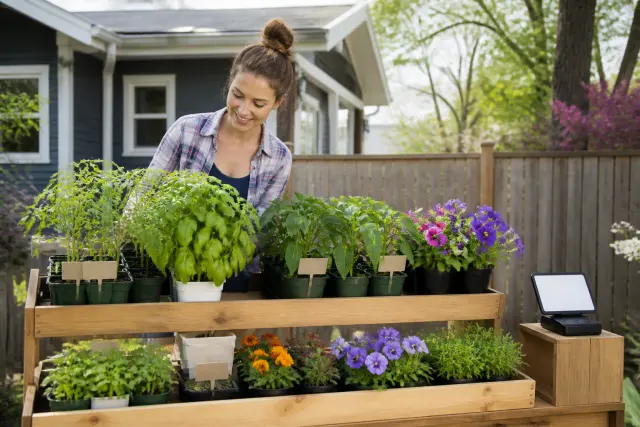
Home gardener arranging vegetable, herb, and flower starts for a local backyard plant sale

Introduction

If you already enjoy starting seeds, taking cuttings, or tending a productive backyard garden, a small plant business can turn those skills into extra income. The most reliable way to make money selling plants from home is not to grow every trendy plant you see online. It is to grow healthy plants that solve a local buyer’s immediate problem: a tomato transplant for a weekend garden project, a pot of basil for the patio, a native perennial for a pollinator bed, or a giftable houseplant cutting.

Plant selling can begin modestly. A sunny shelf, patio, garage worktable, or small greenhouse may be enough for a test run. Start with a limited selection, learn what your neighbors actually buy, and build routines for clean propagation, clear labeling, watering, and pickup. This guide walks through the numbers, the best starter crops, sales channels, and U.S. rules worth checking before your first sale.
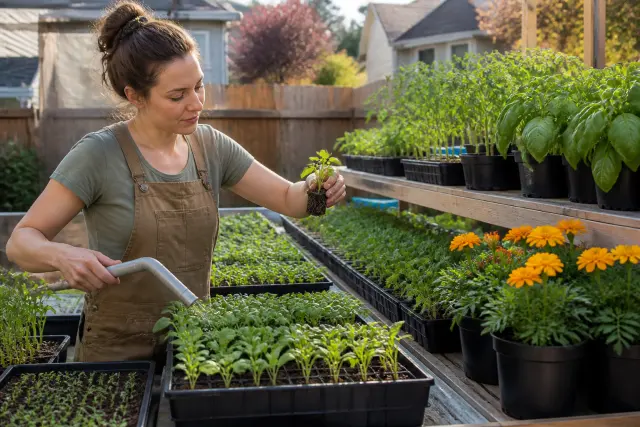
Clean propagation bench with healthy vegetable and herb seedlings in pots
Clean containers, healthy roots, and careful timing help turn seedlings into sale-ready plants.

Is Selling Plants From Home Profitable?

It can be profitable, but it is a hands-on side hustle rather than passive income. Your profit depends on growing plants efficiently, avoiding losses, choosing crops that sell quickly, and charging enough to cover more than the pot and soil. A plant that costs little to start can still consume weeks of bench space, water, heat, and daily attention.

What usually makes a plant side hustle work

  • Local demand: Buyers want plants suited to their climate, gardening season, and available space.
  • Fast turnover: Selling a crop soon after it reaches a sturdy, attractive size frees space for the next batch.
  • Repeatable propagation: Seeds, divisions, and cuttings can keep material costs manageable when used responsibly.
  • Focused inventory: A short, dependable list is easier to grow well and market clearly than dozens of random varieties.
  • Convenient sales: Preorders, porch pickup windows, markets, and neighborhood events reduce time spent chasing individual sales.

A useful first-year goal is learning, not filling your yard with inventory. Test 25 to 75 plants across a few categories. Track what germinates, what takes too much care, which sizes customers prefer, and what remains unsold. Those records will show where the real opportunity is in your area.

Choose a Plant-Selling Niche That Fits Your Space and Skills

Your niche should match your growing conditions and your available labor. A person with a bright indoor propagation shelf may do better with houseplant cuttings than sun-loving vegetable starts. Someone with open backyard beds and a strong local native-plant community may find more demand for regionally appropriate perennials.

Good niche options for a small home grower

  • Vegetable and herb transplants: Familiar, seasonal, and often quick to sell in spring and fall.
  • Native and pollinator-friendly plants: A potentially strong local niche, but correct identification and regional suitability are essential.
  • Houseplant cuttings and starter plants: Useful for year-round sales if you have adequate light and pest-control habits.
  • Cut-flower seedlings: Sell starts to gardeners or pair your own flowers with a small bouquet business.
  • Edible specialty plants: Chile peppers, unusual basils, culinary herbs, and culturally relevant vegetables may attract enthusiastic gardeners.

Before growing in volume, visit local garden centers, farmers markets, plant swaps, and community gardening groups. Notice price ranges, gaps in selection, and timing. You do not need to beat every retailer on price. A home seller can compete through locally adapted choices, healthy roots, honest care information, and convenient pickup.

Match plants to your climate

Know your USDA Plant Hardiness Zone, but do not rely on it alone. Summer heat, humidity, rainfall, frost dates, wind, and shade all affect production. Warm-season starts such as tomatoes and peppers need protection from cold; cool-season greens and herbs may be better for early spring or fall. For perennial and native plants, choose species that are suitable for your specific region and avoid selling plants that may be invasive locally.

Best Plants to Grow and Sell for Profit

The best sellers are usually familiar plants presented at the right time, plus a few specialties that make your table memorable. Start with crops you can grow consistently rather than plants that only look impressive in photos.

Plant categoryWhy it can sellProduction notes
Tomatoes and peppersHigh spring demand and many varietiesGrow sturdy, hardened-off starts; label variety and mature size.
Basil, parsley, mint, and other herbsUseful, compact, and approachable for beginnersUse clean pots; explain that mint is best kept contained.
Salad greens and kale startsFast crops for cool seasonsTime batches to local planting weather; avoid root-bound plants.
Annual flowersColorful impulse buys and container-garden staplesOffer coordinated mixes or ready-to-plant packs.
Native perennialsInterest from pollinator and low-water gardenersConfirm the botanical name, local appropriateness, and legal sourcing.
Houseplant cuttingsCan sell beyond the outdoor gardening seasonCheck carefully for pests and root each cutting before sale.

Build a simple seasonal calendar

Spring is often the major season for vegetable starts, annual flowers, and patio herbs. Fall can support cool-season vegetables, hardy herbs, selected perennials, and houseplants. Winter is a planning and propagation period for many backyard growers, though indoor plant sales may continue. Stagger seed sowing rather than starting everything on one day. Two or three smaller batches help you handle poor germination and extend your selling window.

Be cautious with patented plants, trademarked branding, and plants propagated from material you do not have permission to reproduce. When in doubt, buy seed or propagation material from reputable suppliers and read the associated terms.

Calculate Startup Costs and Potential Earnings

Start with a lean budget and use equipment you will continue to use in your own garden. Basic needs may include seed-starting trays or pots, sterile growing mix, seeds or stock plants, labels, a watering tool, fertilizer, trays to catch drainage, and a protected growing area. Depending on your climate and sales season, you may also need lights, a fan, heat mats, row cover, or a small greenhouse.

Track costs by crop, not just by shopping trip

Create a simple spreadsheet or notebook for each batch. Include seeds or cuttings, potting mix, containers, labels, amendments, market fees, payment-processing fees, and a reasonable share of supplies. Also record how many sale-ready plants you produced. This reveals the true cost per sellable plant after weak seedlings and unsold inventory.

For example, if a batch costs $48 in direct materials and produces 24 healthy plants, its direct material cost is $2 per sale-ready plant before labor, overhead, and sales costs. That does not mean $2 is the correct price. It gives you a starting point for pricing decisions.

Plan for losses and cash flow

Not every seed germinates, and not every transplant remains market-ready. Build a buffer into your sowing plan and your pricing. Buy supplies before spring revenue arrives, then avoid overbuying until you know demand. Preorders can help fund a batch and reduce the risk of growing plants no one has requested.
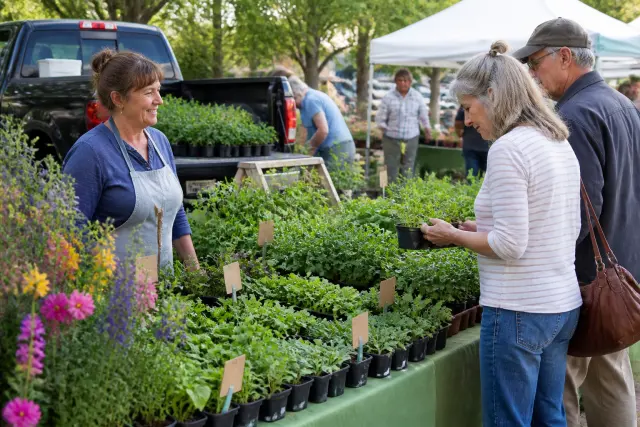
Local plant seller displaying herbs, vegetable starts, and flowering perennials at an outdoor market
Farmers markets and community events can help a small grower test demand and meet repeat customers.

How to Price Plants for a Fair Profit

Look at nearby independent nurseries, grocery garden departments, plant markets, and local online listings to understand your market. Compare similar pot size, plant size, variety, and condition. A robust, labeled transplant in a clean container is not equivalent to a tiny seedling in a disposable cup.

Use a practical pricing formula

Start with your direct cost per sale-ready plant. Add an amount for your labor, selling costs, and a profit margin that supports future supplies and losses. Then compare the result with the local market. If your calculated price is much higher than comparable plants, lower your costs, grow a more valuable specialty, sell a larger finished plant, or choose a different crop. Do not assume low prices create a sustainable business.

  • Price common vegetable starts individually or in multi-plant packs.
  • Price uncommon varieties, mature herbs, rooted houseplants, and native perennials based on their size, quality, and scarcity.
  • Create bundles such as a salsa garden, pizza herb kit, shade-container collection, or pollinator starter set.
  • Offer modest quantity discounts only when the discount still leaves room for profit.

Keep pricing easy to understand. Clearly mark the price on each pot or group, and state whether a decorative container is included. If customers ask for a discount, a bundle or end-of-season sale is usually better than negotiating every individual plant.

How to Grow Healthy, Sale-Ready Plants

Healthy plants are your best marketing. Buyers may forgive a plain pot; they will not be happy with pests, yellow leaves, tangled roots, or a transplant that collapses after planting.

Use clean production habits

Start with clean containers, fresh seed-starting mix, and labeled seeds or cuttings. Disinfect reusable trays and tools between batches according to product directions. Water at the soil level when practical, give plants adequate air circulation, and remove diseased or heavily infested plants promptly. Avoid selling plants with visible insects, webbing, sticky residue, leaf spots, or weed growth in the pot.

Finish plants before selling

Pot seedlings up before they become severely root-bound. Give each plant enough space and light for compact growth. Harden off indoor-grown or greenhouse-grown plants gradually before they face direct sun, wind, and outdoor temperature swings. A plant that has been properly acclimated is more likely to succeed for the customer.

Every plant should have a durable label with the common name, variety when known, and basic growing needs. For edible plants, add useful details such as sun requirements, spacing, expected mature size, and whether the crop is best grown in a container or in-ground. Do not make unsupported claims about disease resistance, organic status, or health benefits.

Make pickup safe and simple

Water plants enough that they travel well, but do not send them home dripping. Use trays, boxes, or recycled carriers that keep pots upright. Arrange scheduled pickup windows rather than inviting unfamiliar buyers to arrive at any hour. Meet in a visible area, keep pathways clear, and follow reasonable personal-safety practices if selling from home.

Where to Sell Plants Locally and Online

A mix of sales channels can protect you from slow days at any one location. Start with one or two channels you can manage well.

Strong options for local sales

  • Porch pickup and preorders: Convenient for neighbors and easy to coordinate through a weekly plant list.
  • Farmers markets: Useful for visibility and volume, but confirm vendor rules, fees, insurance needs, and plant requirements.
  • Neighborhood groups and local social platforms: Good for announcing availability and pickup times; follow each platform’s policies.
  • Community events and plant sales: School, garden-club, and seasonal events can introduce you to local gardeners.
  • Partnerships: A florist, farm stand, community garden, or small retailer may be interested in a limited wholesale or consignment arrangement, depending on local rules.

Online shipping is more complicated than local pickup. Live plants can be damaged in transit, and many states restrict the movement of certain plants, soil, or pests across borders. Begin locally unless you understand shipping, packaging, destination rules, and applicable licensing requirements.

U.S. Permits, Plant Regulations, and Tax Basics to Research

Rules vary by state, county, city, and sales channel, so treat compliance as part of your business plan. Many states regulate nursery stock through a department of agriculture or similar agency. Depending on where you live and what you sell, you may need a nursery license, inspection, registration, or plant-health certificate. Requirements can differ for backyard growers, occasional sales, farmers market vendors, and sellers shipping plants.

Questions to ask before launch

  • Does my state require a nursery license or inspection to sell plants?
  • Are there restrictions on selling or moving native, invasive, protected, or quarantined plants?
  • Does my city or homeowners association allow customer pickup, signs, parking, or a home-based business?
  • Do my market or event organizers require liability insurance, a business license, or sales-tax registration?
  • Do I need to collect sales tax on plants or related products in my state?

If you sell edible herbs, seedlings, or produce, remember that plant starts and prepared food are regulated differently. Do not assume rules for garden plants cover food products, homemade teas, pest-control mixtures, or other add-ons. Keep basic records of sales, expenses, inventory, and receipts. Report income as required and consult a qualified tax professional, local business office, or state agriculture agency when your situation is unclear.

Simple Marketing Ideas for a Plant-Selling Side Hustle

Marketing works best when it helps customers feel confident about buying. Take bright, honest photos of your actual plants, not borrowed images. Show the pot size, the overall plant, and a close view of the foliage or flowers. State the price, quantity available, pickup area, and next pickup time.

Make your offer easy to buy

  • Post a short availability list each week during the season.
  • Use simple bundles that solve a gardening goal, such as a beginner vegetable bed or hummingbird-friendly patio set.
  • Include a basic care card with every purchase and invite customers to return for the next seasonal crop.
  • Ask happy buyers for permission to share a photo of their planted garden or a short review.
  • Build an email or text list only with clear permission, then send occasional seasonal availability updates.

Your best sales message is specific: “Locally grown basil and pepper starts ready for weekend planting” is more useful than “Plants for sale.” Mention realistic planting timing for your region and explain whether a crop needs full sun, protection from frost, or a larger container.

Common Mistakes That Reduce Plant-Sale Profits

Many promising plant sellers lose money through avoidable complexity. Watch for these common problems:

  • Growing too many varieties: This creates labeling mistakes, uneven care, and leftover inventory. Start narrow.
  • Sowing too early: Overgrown starts become root-bound before local planting weather arrives.
  • Underpricing: Cheap plants may sell fast but leave no money for replacement supplies or your time.
  • Ignoring plant health: One pest outbreak can damage your reputation and spread through your entire growing area.
  • Skipping labels: Buyers need names and care information to use plants successfully.
  • Failing to check rules: A profitable weekend sale is not worth violating nursery, zoning, tax, or market requirements.
  • Confusing interest with demand: Likes and comments are not preorders. Grow larger batches only after actual sales support the decision.

Review each season honestly. Keep the crops that sold at a worthwhile margin, improve those that nearly worked, and stop growing plants that required too much space or labor for too little return.
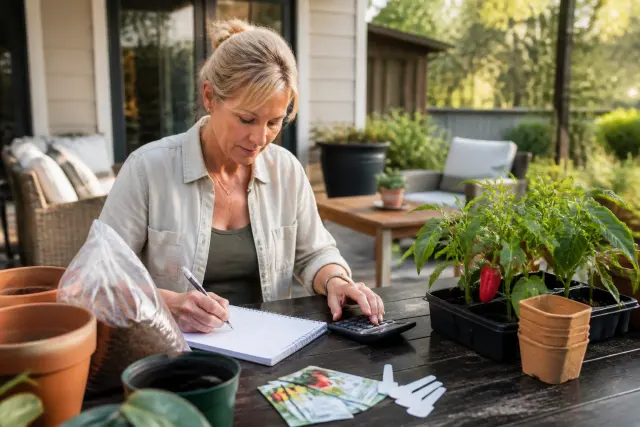
Gardener tracking plant-selling costs beside potted pepper plants and supplies
Tracking supply costs and sale-ready plant counts makes it easier to set prices that support a profit.

Conclusion

To make money selling plants from home, begin with plants you can grow well, a local problem you can solve, and a small batch you can sell confidently. Focus on sturdy quality, clear labels, fair prices, and convenient local pickup. Track your costs and sales so each season teaches you what to grow next.

A few well-timed herbs, vegetable starts, flowers, houseplants, or locally appropriate perennials can become a practical gardening side hustle. As demand grows, expand carefully, keep your production area clean, and stay current on the local rules that apply to your plant business.

Frequently Asked Questions

Can I make money selling plants from my backyard?

Yes, many gardeners earn supplemental income by selling healthy starts, herbs, flowers, houseplants, or perennials locally. Start small, calculate your real costs, and check state nursery rules plus local zoning or home-business requirements before selling.

What plants are easiest to sell for a beginner?

Common vegetable starts, culinary herbs, annual flowers, and well-rooted houseplant cuttings are approachable options. The easiest choice depends on your climate, growing space, and local demand. Begin with plants you already know how to grow reliably.

How much should I charge for plants I grow at home?

Calculate the direct cost per healthy, sale-ready plant, then add labor, selling costs, and profit. Compare your final price with similar plants at nearby nurseries and markets, taking pot size, variety, quality, and labeling into account.

Do I need a license to sell plants from home in the United States?

Possibly. Requirements vary by state and sometimes by city or county. Your state department of agriculture may require a nursery license, registration, inspection, or other approval. Farmers markets and local business rules may add separate requirements.

Can I sell plants on social media or through porch pickup?

Often, yes, but platform rules and local laws still apply. Use clear pickup windows, accurate descriptions, secure payment practices, and safe handoff arrangements. Check whether your municipality or homeowners association restricts home-based customer traffic or signage.

When should I start seeds for plant sales?

Work backward from your local last frost date and the size you want to sell. Tomatoes, peppers, herbs, and flowers all have different production times. Sow in smaller staggered batches so plants are sturdy and ready when customers are ready to plant.

Can I ship plants to customers in other states?

Shipping live plants can trigger additional state and federal plant-health rules, and some plants, soil, and pest-sensitive materials are restricted. It is usually simplest for new sellers to begin with local pickup until they understand destination requirements, packaging, and licensing.

Garden Side Hustles

Plant Selling Side Hustle: What to Grow, Price, and Sell Locally

A practical guide to starting a plant-selling side hustle from a U.S. backyard. Learn what plants to grow, how to price them, where to sell locally, and which regulations to research before launching.

Home gardener arranging vegetable, herb, and flower starts for a local backyard plant sale

Introduction

If you already enjoy starting seeds, taking cuttings, or tending a productive backyard garden, a small plant business can turn those skills into extra income. The most reliable way to make money selling plants from home is not to grow every trendy plant you see online. It is to grow healthy plants that solve a local buyer’s immediate problem: a tomato transplant for a weekend garden project, a pot of basil for the patio, a native perennial for a pollinator bed, or a giftable houseplant cutting.

Plant selling can begin modestly. A sunny shelf, patio, garage worktable, or small greenhouse may be enough for a test run. Start with a limited selection, learn what your neighbors actually buy, and build routines for clean propagation, clear labeling, watering, and pickup. This guide walks through the numbers, the best starter crops, sales channels, and U.S. rules worth checking before your first sale.

Clean propagation bench with healthy vegetable and herb seedlings in pots
Clean containers, healthy roots, and careful timing help turn seedlings into sale-ready plants.

Is Selling Plants From Home Profitable?

It can be profitable, but it is a hands-on side hustle rather than passive income. Your profit depends on growing plants efficiently, avoiding losses, choosing crops that sell quickly, and charging enough to cover more than the pot and soil. A plant that costs little to start can still consume weeks of bench space, water, heat, and daily attention.

What usually makes a plant side hustle work

  • Local demand: Buyers want plants suited to their climate, gardening season, and available space.
  • Fast turnover: Selling a crop soon after it reaches a sturdy, attractive size frees space for the next batch.
  • Repeatable propagation: Seeds, divisions, and cuttings can keep material costs manageable when used responsibly.
  • Focused inventory: A short, dependable list is easier to grow well and market clearly than dozens of random varieties.
  • Convenient sales: Preorders, porch pickup windows, markets, and neighborhood events reduce time spent chasing individual sales.

A useful first-year goal is learning, not filling your yard with inventory. Test 25 to 75 plants across a few categories. Track what germinates, what takes too much care, which sizes customers prefer, and what remains unsold. Those records will show where the real opportunity is in your area.

Choose a Plant-Selling Niche That Fits Your Space and Skills

Your niche should match your growing conditions and your available labor. A person with a bright indoor propagation shelf may do better with houseplant cuttings than sun-loving vegetable starts. Someone with open backyard beds and a strong local native-plant community may find more demand for regionally appropriate perennials.

Good niche options for a small home grower

  • Vegetable and herb transplants: Familiar, seasonal, and often quick to sell in spring and fall.
  • Native and pollinator-friendly plants: A potentially strong local niche, but correct identification and regional suitability are essential.
  • Houseplant cuttings and starter plants: Useful for year-round sales if you have adequate light and pest-control habits.
  • Cut-flower seedlings: Sell starts to gardeners or pair your own flowers with a small bouquet business.
  • Edible specialty plants: Chile peppers, unusual basils, culinary herbs, and culturally relevant vegetables may attract enthusiastic gardeners.

Before growing in volume, visit local garden centers, farmers markets, plant swaps, and community gardening groups. Notice price ranges, gaps in selection, and timing. You do not need to beat every retailer on price. A home seller can compete through locally adapted choices, healthy roots, honest care information, and convenient pickup.

Match plants to your climate

Know your USDA Plant Hardiness Zone, but do not rely on it alone. Summer heat, humidity, rainfall, frost dates, wind, and shade all affect production. Warm-season starts such as tomatoes and peppers need protection from cold; cool-season greens and herbs may be better for early spring or fall. For perennial and native plants, choose species that are suitable for your specific region and avoid selling plants that may be invasive locally.

Best Plants to Grow and Sell for Profit

The best sellers are usually familiar plants presented at the right time, plus a few specialties that make your table memorable. Start with crops you can grow consistently rather than plants that only look impressive in photos.

Plant categoryWhy it can sellProduction notes
Tomatoes and peppersHigh spring demand and many varietiesGrow sturdy, hardened-off starts; label variety and mature size.
Basil, parsley, mint, and other herbsUseful, compact, and approachable for beginnersUse clean pots; explain that mint is best kept contained.
Salad greens and kale startsFast crops for cool seasonsTime batches to local planting weather; avoid root-bound plants.
Annual flowersColorful impulse buys and container-garden staplesOffer coordinated mixes or ready-to-plant packs.
Native perennialsInterest from pollinator and low-water gardenersConfirm the botanical name, local appropriateness, and legal sourcing.
Houseplant cuttingsCan sell beyond the outdoor gardening seasonCheck carefully for pests and root each cutting before sale.

Build a simple seasonal calendar

Spring is often the major season for vegetable starts, annual flowers, and patio herbs. Fall can support cool-season vegetables, hardy herbs, selected perennials, and houseplants. Winter is a planning and propagation period for many backyard growers, though indoor plant sales may continue. Stagger seed sowing rather than starting everything on one day. Two or three smaller batches help you handle poor germination and extend your selling window.

Be cautious with patented plants, trademarked branding, and plants propagated from material you do not have permission to reproduce. When in doubt, buy seed or propagation material from reputable suppliers and read the associated terms.

Calculate Startup Costs and Potential Earnings

Start with a lean budget and use equipment you will continue to use in your own garden. Basic needs may include seed-starting trays or pots, sterile growing mix, seeds or stock plants, labels, a watering tool, fertilizer, trays to catch drainage, and a protected growing area. Depending on your climate and sales season, you may also need lights, a fan, heat mats, row cover, or a small greenhouse.

Track costs by crop, not just by shopping trip

Create a simple spreadsheet or notebook for each batch. Include seeds or cuttings, potting mix, containers, labels, amendments, market fees, payment-processing fees, and a reasonable share of supplies. Also record how many sale-ready plants you produced. This reveals the true cost per sellable plant after weak seedlings and unsold inventory.

For example, if a batch costs $48 in direct materials and produces 24 healthy plants, its direct material cost is $2 per sale-ready plant before labor, overhead, and sales costs. That does not mean $2 is the correct price. It gives you a starting point for pricing decisions.

Plan for losses and cash flow

Not every seed germinates, and not every transplant remains market-ready. Build a buffer into your sowing plan and your pricing. Buy supplies before spring revenue arrives, then avoid overbuying until you know demand. Preorders can help fund a batch and reduce the risk of growing plants no one has requested.

Local plant seller displaying herbs, vegetable starts, and flowering perennials at an outdoor market
Farmers markets and community events can help a small grower test demand and meet repeat customers.

How to Price Plants for a Fair Profit

Look at nearby independent nurseries, grocery garden departments, plant markets, and local online listings to understand your market. Compare similar pot size, plant size, variety, and condition. A robust, labeled transplant in a clean container is not equivalent to a tiny seedling in a disposable cup.

Use a practical pricing formula

Start with your direct cost per sale-ready plant. Add an amount for your labor, selling costs, and a profit margin that supports future supplies and losses. Then compare the result with the local market. If your calculated price is much higher than comparable plants, lower your costs, grow a more valuable specialty, sell a larger finished plant, or choose a different crop. Do not assume low prices create a sustainable business.

  • Price common vegetable starts individually or in multi-plant packs.
  • Price uncommon varieties, mature herbs, rooted houseplants, and native perennials based on their size, quality, and scarcity.
  • Create bundles such as a salsa garden, pizza herb kit, shade-container collection, or pollinator starter set.
  • Offer modest quantity discounts only when the discount still leaves room for profit.

Keep pricing easy to understand. Clearly mark the price on each pot or group, and state whether a decorative container is included. If customers ask for a discount, a bundle or end-of-season sale is usually better than negotiating every individual plant.

How to Grow Healthy, Sale-Ready Plants

Healthy plants are your best marketing. Buyers may forgive a plain pot; they will not be happy with pests, yellow leaves, tangled roots, or a transplant that collapses after planting.

Use clean production habits

Start with clean containers, fresh seed-starting mix, and labeled seeds or cuttings. Disinfect reusable trays and tools between batches according to product directions. Water at the soil level when practical, give plants adequate air circulation, and remove diseased or heavily infested plants promptly. Avoid selling plants with visible insects, webbing, sticky residue, leaf spots, or weed growth in the pot.

Finish plants before selling

Pot seedlings up before they become severely root-bound. Give each plant enough space and light for compact growth. Harden off indoor-grown or greenhouse-grown plants gradually before they face direct sun, wind, and outdoor temperature swings. A plant that has been properly acclimated is more likely to succeed for the customer.

Every plant should have a durable label with the common name, variety when known, and basic growing needs. For edible plants, add useful details such as sun requirements, spacing, expected mature size, and whether the crop is best grown in a container or in-ground. Do not make unsupported claims about disease resistance, organic status, or health benefits.

Make pickup safe and simple

Water plants enough that they travel well, but do not send them home dripping. Use trays, boxes, or recycled carriers that keep pots upright. Arrange scheduled pickup windows rather than inviting unfamiliar buyers to arrive at any hour. Meet in a visible area, keep pathways clear, and follow reasonable personal-safety practices if selling from home.

Where to Sell Plants Locally and Online

A mix of sales channels can protect you from slow days at any one location. Start with one or two channels you can manage well.

Strong options for local sales

  • Porch pickup and preorders: Convenient for neighbors and easy to coordinate through a weekly plant list.
  • Farmers markets: Useful for visibility and volume, but confirm vendor rules, fees, insurance needs, and plant requirements.
  • Neighborhood groups and local social platforms: Good for announcing availability and pickup times; follow each platform’s policies.
  • Community events and plant sales: School, garden-club, and seasonal events can introduce you to local gardeners.
  • Partnerships: A florist, farm stand, community garden, or small retailer may be interested in a limited wholesale or consignment arrangement, depending on local rules.

Online shipping is more complicated than local pickup. Live plants can be damaged in transit, and many states restrict the movement of certain plants, soil, or pests across borders. Begin locally unless you understand shipping, packaging, destination rules, and applicable licensing requirements.

U.S. Permits, Plant Regulations, and Tax Basics to Research

Rules vary by state, county, city, and sales channel, so treat compliance as part of your business plan. Many states regulate nursery stock through a department of agriculture or similar agency. Depending on where you live and what you sell, you may need a nursery license, inspection, registration, or plant-health certificate. Requirements can differ for backyard growers, occasional sales, farmers market vendors, and sellers shipping plants.

Questions to ask before launch

  • Does my state require a nursery license or inspection to sell plants?
  • Are there restrictions on selling or moving native, invasive, protected, or quarantined plants?
  • Does my city or homeowners association allow customer pickup, signs, parking, or a home-based business?
  • Do my market or event organizers require liability insurance, a business license, or sales-tax registration?
  • Do I need to collect sales tax on plants or related products in my state?

If you sell edible herbs, seedlings, or produce, remember that plant starts and prepared food are regulated differently. Do not assume rules for garden plants cover food products, homemade teas, pest-control mixtures, or other add-ons. Keep basic records of sales, expenses, inventory, and receipts. Report income as required and consult a qualified tax professional, local business office, or state agriculture agency when your situation is unclear.

Simple Marketing Ideas for a Plant-Selling Side Hustle

Marketing works best when it helps customers feel confident about buying. Take bright, honest photos of your actual plants, not borrowed images. Show the pot size, the overall plant, and a close view of the foliage or flowers. State the price, quantity available, pickup area, and next pickup time.

Make your offer easy to buy

  • Post a short availability list each week during the season.
  • Use simple bundles that solve a gardening goal, such as a beginner vegetable bed or hummingbird-friendly patio set.
  • Include a basic care card with every purchase and invite customers to return for the next seasonal crop.
  • Ask happy buyers for permission to share a photo of their planted garden or a short review.
  • Build an email or text list only with clear permission, then send occasional seasonal availability updates.

Your best sales message is specific: “Locally grown basil and pepper starts ready for weekend planting” is more useful than “Plants for sale.” Mention realistic planting timing for your region and explain whether a crop needs full sun, protection from frost, or a larger container.

Common Mistakes That Reduce Plant-Sale Profits

Many promising plant sellers lose money through avoidable complexity. Watch for these common problems:

  • Growing too many varieties: This creates labeling mistakes, uneven care, and leftover inventory. Start narrow.
  • Sowing too early: Overgrown starts become root-bound before local planting weather arrives.
  • Underpricing: Cheap plants may sell fast but leave no money for replacement supplies or your time.
  • Ignoring plant health: One pest outbreak can damage your reputation and spread through your entire growing area.
  • Skipping labels: Buyers need names and care information to use plants successfully.
  • Failing to check rules: A profitable weekend sale is not worth violating nursery, zoning, tax, or market requirements.
  • Confusing interest with demand: Likes and comments are not preorders. Grow larger batches only after actual sales support the decision.

Review each season honestly. Keep the crops that sold at a worthwhile margin, improve those that nearly worked, and stop growing plants that required too much space or labor for too little return.

Frequently Asked Questions

Can I make money selling plants from my backyard?

Yes, many gardeners earn supplemental income by selling healthy starts, herbs, flowers, houseplants, or perennials locally. Start small, calculate your real costs, and check state nursery rules plus local zoning or home-business requirements before selling.

What plants are easiest to sell for a beginner?

Common vegetable starts, culinary herbs, annual flowers, and well-rooted houseplant cuttings are approachable options. The easiest choice depends on your climate, growing space, and local demand. Begin with plants you already know how to grow reliably.

How much should I charge for plants I grow at home?

Calculate the direct cost per healthy, sale-ready plant, then add labor, selling costs, and profit. Compare your final price with similar plants at nearby nurseries and markets, taking pot size, variety, quality, and labeling into account.

Do I need a license to sell plants from home in the United States?

Possibly. Requirements vary by state and sometimes by city or county. Your state department of agriculture may require a nursery license, registration, inspection, or other approval. Farmers markets and local business rules may add separate requirements.

Can I sell plants on social media or through porch pickup?

Often, yes, but platform rules and local laws still apply. Use clear pickup windows, accurate descriptions, secure payment practices, and safe handoff arrangements. Check whether your municipality or homeowners association restricts home-based customer traffic or signage.

When should I start seeds for plant sales?

Work backward from your local last frost date and the size you want to sell. Tomatoes, peppers, herbs, and flowers all have different production times. Sow in smaller staggered batches so plants are sturdy and ready when customers are ready to plant.

Can I ship plants to customers in other states?

Shipping live plants can trigger additional state and federal plant-health rules, and some plants, soil, and pest-sensitive materials are restricted. It is usually simplest for new sellers to begin with local pickup until they understand destination requirements, packaging, and licensing.

Gardener tracking plant-selling costs beside potted pepper plants and supplies
Tracking supply costs and sale-ready plant counts makes it easier to set prices that support a profit.

Conclusion

To make money selling plants from home, begin with plants you can grow well, a local problem you can solve, and a small batch you can sell confidently. Focus on sturdy quality, clear labels, fair prices, and convenient local pickup. Track your costs and sales so each season teaches you what to grow next.

A few well-timed herbs, vegetable starts, flowers, houseplants, or locally appropriate perennials can become a practical gardening side hustle. As demand grows, expand carefully, keep your production area clean, and stay current on the local rules that apply to your plant business.