
Energy Efficient Home Improvements
Lower household energy use and improve year-round comfort with practical upgrades, from air sealing and insulation to efficient heating, water heating, and shading.
Introduction
Energy efficient home improvements do more than reduce wasted electricity and fuel. When the work is planned well, they can make rooms feel less drafty, ease summer hot spots, reduce equipment strain, and help a home hold a more consistent temperature. The most effective approach is rarely one flashy purchase. It is a sequence: find the biggest sources of waste, fix the home’s outer shell, then select and maintain appropriately sized equipment.
Every U.S. home is different. A leaky older house in a cold northern climate has different priorities than a stucco house in a hot, humid southern region or a home exposed to intense western sun. Start with observations and basic maintenance, then use professional testing or contractor input for projects that affect combustion safety, wiring, plumbing, roofing, or the building envelope. This guide helps you compare sensible upgrades and build a plan around comfort, durability, and your budget.
1. Start With a Whole-Home Energy Assessment
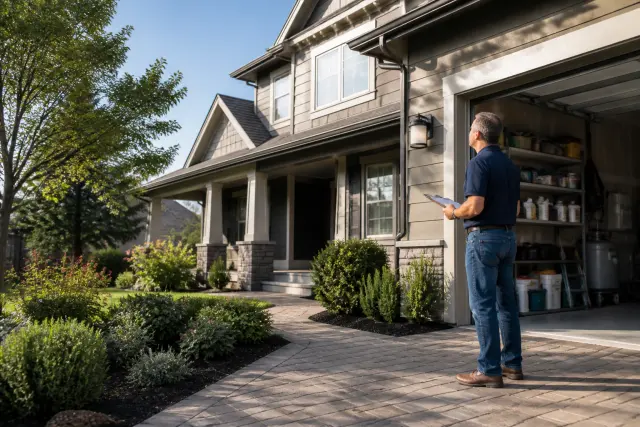
Before buying products, take inventory of where discomfort and energy waste occur. Note rooms that are unusually cold, hot, humid, or dusty; windows that rattle; condensation; visible gaps; and unusually high utility bills. Compare bills from the same season over more than one year when possible, while accounting for changes in occupancy and weather. This creates a useful baseline without assuming that one bill alone tells the whole story.
Use professional diagnostics when the project is substantial
A qualified home energy professional can use tools such as a blower door and infrared imaging to locate air leaks and insulation gaps. Testing is especially helpful before a major insulation, HVAC, or renovation project because it can reveal issues hidden behind finishes. Ask what the assessment includes, whether combustion appliances will be checked for safe operation, and how recommendations will be prioritized. Keep the written findings for future contractors.
- Walk the attic, basement, crawlspace, and garage perimeter with a flashlight.
- Check filters, accessible ducts, weatherstripping, and exterior penetrations.
- Make a room-by-room comfort list before changing the thermostat or equipment.
2. Air-Seal First, Without Blocking Needed Ventilation
Uncontrolled air leakage can undermine insulation and carry moisture into wall or attic assemblies. Common leakage points include attic access hatches, plumbing and wiring penetrations, recessed lighting openings not rated for insulation contact, rim joists, duct and flue chases, exterior hose bibs, and gaps around trim. Caulk is generally suited to smaller stationary gaps, while low-expansion foam or other appropriate materials may be used for larger openings. Choose materials that match the location and follow their application instructions.
Protect combustion and fire safety
Do not seal around a chimney, furnace flue, fireplace, or other hot component with ordinary foam or caulk. These areas may require listed fire-resistant materials and required clearances. Homes with naturally drafted gas, oil, or wood-burning equipment need adequate combustion air; tightening a home can change how these appliances operate. Have a qualified technician evaluate combustion appliances and install working carbon monoxide alarms in appropriate locations.
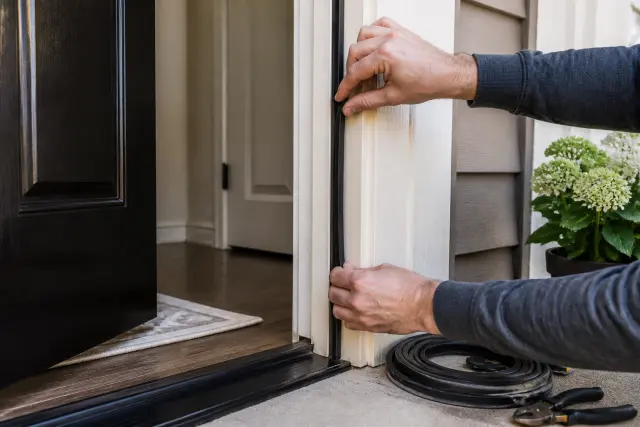
Doors and operable windows are good maintenance targets. Replace worn weatherstripping, adjust latches so gaskets compress evenly, and add a properly fitted sweep where daylight is visible beneath an exterior door. Air sealing should reduce random leakage, not eliminate planned exhaust. Kitchen and bath fans still need to vent outdoors rather than into an attic, crawlspace, or garage.
3. Upgrade Attic, Wall, and Floor Insulation Strategically
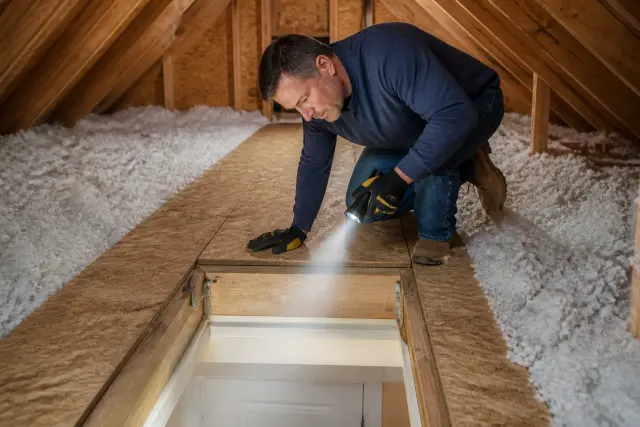
Insulation slows heat flow, but its performance depends on coverage, air sealing, and installation quality. In many homes, the attic is a logical place to investigate because it is accessible and can have large temperature differences from the living space. Look for thin, uneven, compressed, damp, or displaced insulation. If you add material, avoid covering fixtures or blocking ventilation pathways unless the assembly is specifically designed for it.
Match the insulation approach to the assembly
Loose-fill, batts, rigid foam, and spray foam serve different purposes. A contractor or local building official can help determine what works for your roof, wall, crawlspace, or basement and whether an ignition barrier, vapor control layer, or other detail is needed. Insulation levels should be selected for your climate zone, home design, and local code requirements rather than copied from a project in another state.
Moisture deserves as much attention as R-value. Repair roof leaks, plumbing leaks, and foundation water entry before enclosing or insulating an area. In a vented attic, maintain the ventilation design at eaves and roof peak where applicable. In a crawlspace or basement, control bulk water first with grading, gutters, downspout extensions, and appropriate drainage before investing in interior upgrades.
4. Improve Windows and Exterior Doors With the Right Expectations
Windows are important for daylight, views, and ventilation, but replacement is not always the first energy upgrade to make. Begin with repairs: secure loose hardware, replace damaged weatherstripping, recaulk failed exterior joints where appropriate, and ensure storm windows or screens fit correctly. Well-maintained existing windows combined with air sealing, shading, and properly fitted window coverings can improve comfort at a much lower initial cost.
Choose replacement units for your climate and exposure
When replacement is justified by rot, failure, major leakage, or a renovation, compare whole-window performance information rather than glass alone. Climate, orientation, and shade matter. In heating-dominant locations, winter heat retention may be a primary concern; in hot or sunny climates, managing solar heat gain can be equally important. West- and east-facing glass often needs special attention because of low-angle sun.
Installation is as important as the unit. Incorrect flashing or air-sealing details can lead to drafts and water intrusion. Use an experienced installer, obtain permits where required, and confirm who will handle flashing, interior trim, disposal, and warranty service. Exterior doors should be square, properly shimmed, weatherstripped, and adjusted to latch without forcing.

5. Maintain and Right-Size Heating and Cooling Equipment
Heating and cooling equipment cannot compensate efficiently for major leaks, poor insulation, or blocked airflow. Start with the basics: replace or clean filters on the schedule appropriate for your system, keep outdoor equipment clear of leaves and debris, and make sure supply and return registers are open and unobstructed. Avoid closing many registers in an attempt to force conditioned air elsewhere; it can create airflow and pressure problems in some systems.
Ask for a load calculation before replacement
If a furnace, air conditioner, boiler, or heat pump is nearing replacement, ask the contractor to perform a room-by-room load calculation after planned envelope improvements are considered. Bigger is not automatically better. Oversized equipment can cycle frequently, may struggle with humidity control, and can be less comfortable. A written scope should describe equipment capacity, ductwork changes, electrical needs, condensate management, and commissioning steps.
Ducts in unconditioned attics, garages, or crawlspaces can lose conditioned air before it reaches rooms. Have accessible ducts inspected for disconnected runs, crushed flexible ducts, and leakage. Duct sealing and insulation may be worthwhile, but avoid using ordinary cloth-backed “duct tape” as a long-term repair material. A professional can also balance airflow after changes are made.
6. Cut Water-Heating Waste and Reduce Hot-Water Demand
Water heating is a year-round energy use, so small habit and maintenance changes can matter. Repair dripping hot-water fixtures, set the water heater to a safe temperature appropriate for your household and appliance guidance, and consider low-flow showerheads that maintain a comfortable spray pattern. If you have accessible hot-water pipes in an unconditioned area, insulating them can reduce standby losses and shorten the wait for hot water.
Evaluate heat pump and conventional replacements carefully
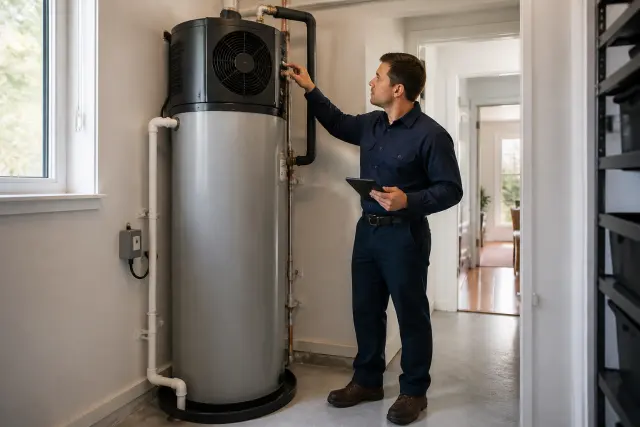
When a water heater needs replacement, compare fuel availability, electrical capacity, physical space, drainage, noise, recovery needs, and climate. A heat pump water heater can be an efficient option in a suitable location, but it cools and dehumidifies the surrounding air and needs adequate space and a condensate drain. In a cold, small, or enclosed area, those effects need thoughtful planning. A licensed plumber or electrician can verify installation requirements.
Keep the area around the appliance accessible and follow the manufacturer’s maintenance instructions. Depending on the model and water conditions, this may include checking anode rods, flushing sediment, cleaning an air filter, or inspecting relief-valve piping. Never cap or obstruct a temperature-and-pressure relief valve discharge pipe. Local plumbing code governs details such as expansion tanks, seismic strapping, and drain routing.
7. Choose Efficient Lighting, Appliances, and Controls
Lighting upgrades are among the easiest energy efficient home improvements. Replace frequently used incandescent or older inefficient bulbs with suitable LED bulbs, paying attention to base type, dimmer compatibility, color temperature, and whether the fixture is enclosed or exposed to weather. In task areas, add light where it is needed rather than over-lighting the entire room. Occupancy sensors, timers, and daylight controls can help in closets, garages, laundry rooms, and exterior lighting locations.
Buy for actual use, not just the label
When replacing an appliance, compare the product information for models of the same size and type, then consider how your household uses it. An oversized refrigerator, an extra freezer in a hot garage, or a large dryer run for small loads can dilute the benefit of efficient equipment. Locate refrigeration appliances away from direct sun, ovens, and heating registers, and keep refrigerator door gaskets and condenser areas clean according to the manufacturer’s instructions.
Smart thermostats and plug-in controls can be useful when they match the system and household routine. Use thermostat schedules conservatively until you see how your home responds, particularly with heat pumps, radiant systems, or homes with high thermal mass. Do not use extension cords or inexpensive smart plugs beyond their listed load rating, and have an electrician address warm outlets, recurring breaker trips, or inadequate circuits.
8. Use Exterior Shade and Landscaping to Manage Summer Heat
Stopping summer sun before it reaches the glass is often more effective for comfort than relying only on indoor blinds. Exterior awnings, shutters, overhangs, solar screens, and shade sails can reduce direct sun on vulnerable windows when selected and installed for the climate and exposure. Interior cellular shades, curtains, and blinds still help, especially at night or during cold weather, but they act after sunlight has entered the room.
Design landscaping around the house, not against it
Deciduous trees can provide seasonal shade while allowing more winter sun after leaves drop, but placement should account for mature size, root systems, overhead lines, wildfire risk, and roof maintenance. Keep shrubs and mulch from trapping moisture against siding, and preserve drainage slopes away from the foundation. In dry regions, select plants that fit local water conditions and irrigation limits rather than adding a high-water landscape solely for shade.
Check neighborhood rules, property lines, and local permit requirements before attaching an awning, constructing a pergola, or installing a large shade structure. Wind, snow, and hurricane exposure can affect attachment methods and engineering needs. Secure outdoor furnishings and shade fabric before severe weather, and inspect anchors, hardware, and tree limbs regularly.

9. Balance Efficiency With Indoor Air Quality and Moisture Control
A tighter home should still have healthy, intentional ventilation. Use kitchen range hoods and bathroom exhaust fans that discharge outdoors, and run them during moisture-producing activities. If a bathroom remains damp long after a shower, check that the fan actually vents outside, that its duct is not crushed or disconnected, and that the fan is sized and maintained appropriately. Persistent condensation, musty odors, or visible mold calls for investigating the moisture source, not simply covering the symptom.
Account for regional humidity and climate risks
In humid climates, oversized air conditioning, poorly insulated cold surfaces, and unvented moisture sources can contribute to indoor humidity problems. In cold climates, warm interior air leaking into a cold attic can create condensation and frost. In mixed climates, the correct vapor and air-control strategy depends on the wall or roof assembly. A building-science professional can help when work involves foam insulation, basement finishing, closed crawlspaces, or major exterior renovations.
Test smoke and carbon monoxide alarms regularly, maintain required detectors, and replace units according to their manufacturer instructions. Never operate fuel-burning grills, generators, or unvented combustion devices indoors or in a garage. If occupants experience headaches, dizziness, or combustion odors, leave the area as appropriate and seek qualified help immediately.
10. Build a Phased Plan, Check Codes, and Track Results
Prioritize no- and low-cost maintenance first, then air sealing and insulation, followed by equipment replacements at the end of service life. This order can prevent buying heating and cooling equipment based on a need that envelope upgrades would have reduced. Group related work when possible: for example, seal attic penetrations before adding insulation, or improve ducts before commissioning a new heat pump.
Document decisions and verify available assistance
Save model numbers, receipts, permits, contractor proposals, manuals, and before-and-after photos. Some utilities, state programs, and federal incentives may offer rebates, financing, or tax benefits for qualifying work, but rules, product requirements, income limits, and availability can change. Confirm current terms directly with the program administrator and your tax professional before relying on any incentive in a budget.
Permits and inspections may be required for electrical panels, HVAC replacements, plumbing work, structural modifications, solar installations, and some insulation or ventilation changes. Your local building department has the final word. Obtain multiple detailed bids for larger projects, confirm license and insurance requirements in your state, and make sure the contract specifies scope, materials, schedule, cleanup, warranties, and permit responsibility.

Track results in a simple log. Record utility use by month, thermostat settings, maintenance dates, and notes about comfort in key rooms. Weather varies, so compare similar seasons rather than expecting every bill to move in a straight line. Comfort improvements, reduced drafts, steadier humidity, and fewer equipment problems are also meaningful outcomes.
Revisit your plan annually. Filters clog, caulk ages, landscaping grows, and household routines change. A short seasonal check of gutters, exterior seals, HVAC equipment, exhaust fans, and alarms helps preserve the gains from larger improvements and can catch water or safety problems early.

Conclusion
The best energy efficient home improvements work together: control water and unwanted air movement, add insulation where it can perform, maintain equipment, and select replacements based on the home’s actual needs. Start with an assessment rather than a sales pitch, address safety and moisture details as part of every project, and use qualified professionals for work beyond your skill level. A phased, well-documented plan can make your home more comfortable and resilient in every season.
Frequently Asked Questions
What are the best energy efficient home improvements to do first?
Begin with maintenance, air sealing, and accessible insulation after addressing leaks or moisture problems. These measures often improve comfort and can reduce the heating and cooling load before you replace expensive mechanical equipment.
Is replacing old windows always the best way to save energy?
No. Repairing weatherstripping, air-sealing, adding storm windows where appropriate, and using exterior or interior shading may be better first steps when existing windows are structurally sound. Replace windows when they are failed, damaged, severely leaky, or part of a larger renovation.
Should I get an energy audit before making upgrades?
A professional energy assessment is especially useful before major insulation, HVAC, duct, or renovation work. It can identify hidden leaks and help prioritize projects. Homeowners can also begin with a careful visual inspection and utility-bill review.
Can air sealing make my house unhealthy?
Air sealing reduces uncontrolled leakage, but a home still needs intentional ventilation and safe combustion-air arrangements. Keep kitchen and bathroom exhaust operating properly, vent fans outdoors, and have fuel-burning equipment evaluated when significant tightening work is planned.
Do heat pump water heaters work in all homes?
They can be a good fit in many homes, but they need suitable space, electrical service, drainage, and a location where their cooling and dehumidifying effect is acceptable. Review the installation conditions with a qualified installer before purchasing.
Do I need permits for energy-efficiency upgrades?
Requirements vary by jurisdiction. Electrical, plumbing, HVAC, structural, solar, and some ventilation work commonly require permits or inspections. Contact your local building department before work begins, and confirm in writing who will obtain permits.